Japandi Style at Home: A Complete Beginner’s Guide

Creating a calm, beautiful home doesn’t mean choosing between style and serenity. Japandi — the elegant fusion of Japanese minimalism and Scandinavian warmth — has quietly become one of the most beloved aesthetics for homes of every size, and for good reason. It strips away the clutter while keeping a space feeling warm, intentional, and deeply soothing.
In this complete guide, you’ll learn exactly how to bring Japandi style into your home: from choosing the right palette and natural materials to arranging furniture that genuinely earns its place. Whether you’re working with a sprawling house, a one-bedroom apartment, or a compact studio, these ideas will help your home feel calmer, more spacious, and unmistakably yours.
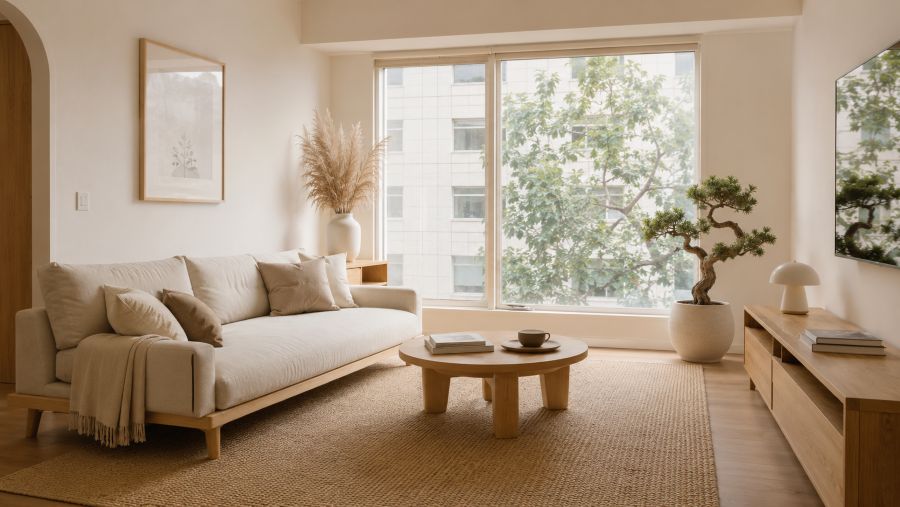
The appeal of Japandi lies in its restraint. Rather than filling every corner, it asks you to be deliberate about what stays and what goes. In any home, where comfort and clarity matter, that mindset is not just decorative — it’s practical. Fewer, better objects mean less visual noise, easier cleaning, and a home that quietly supports your day instead of competing with it. Throughout this guide, we’ll move step by step, so by the end you’ll have a clear plan you can start applying this weekend.
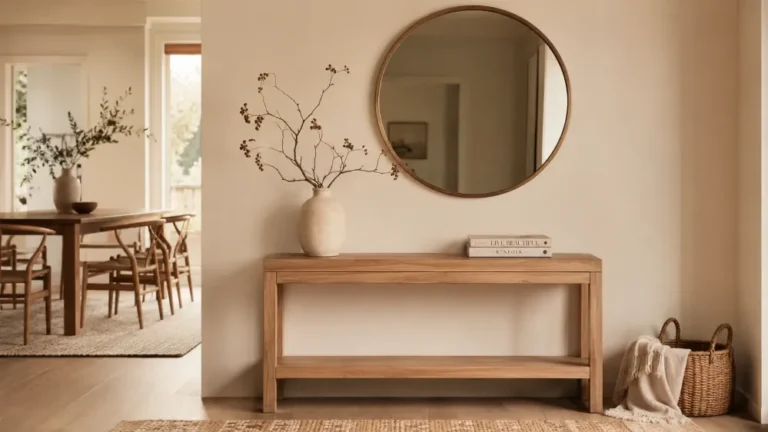
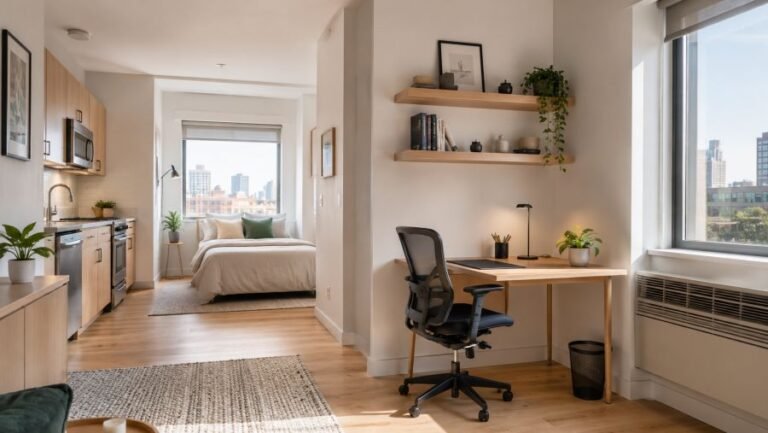
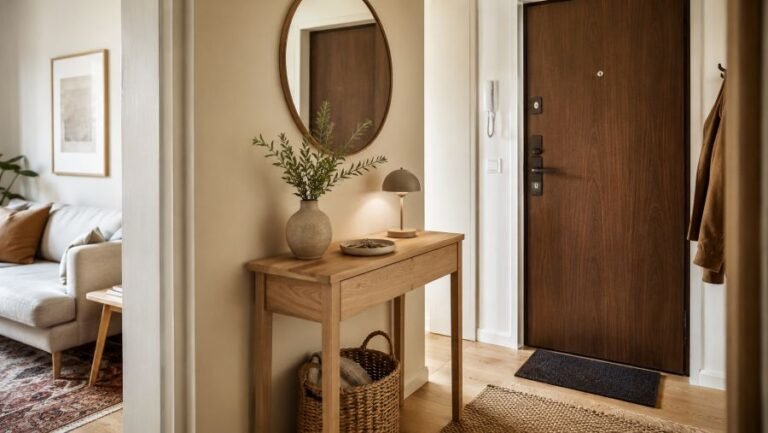
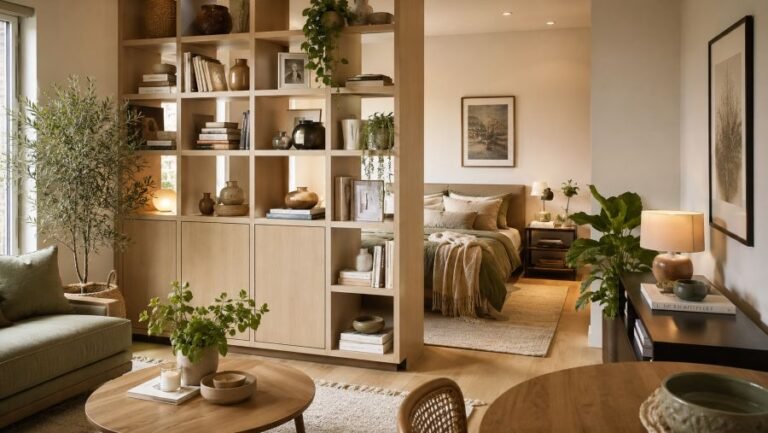
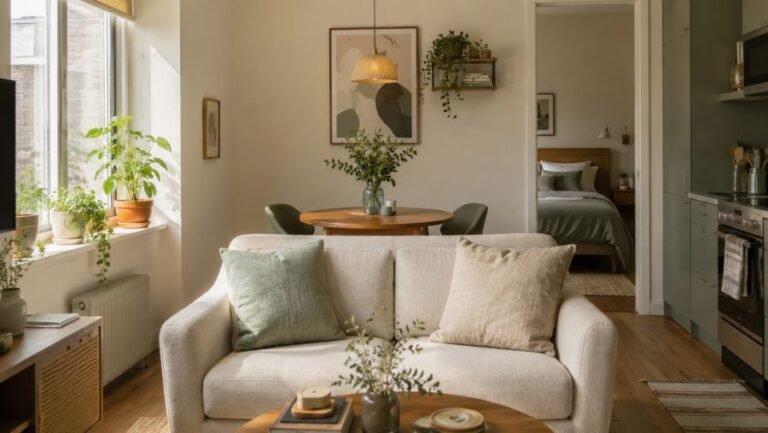
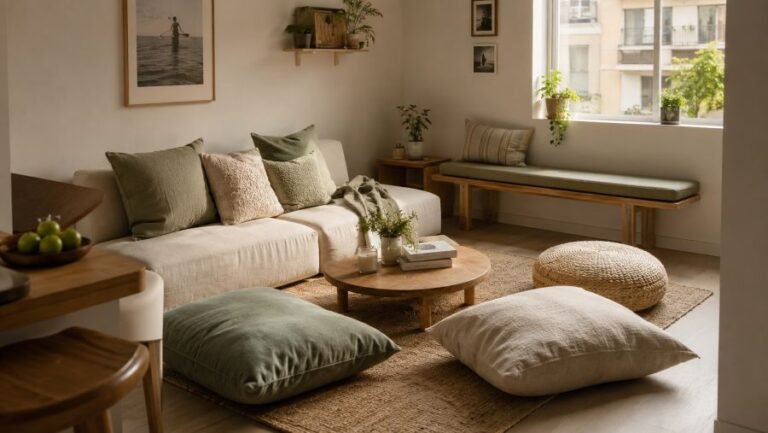
If you’d like to see these Japandi principles in action before you start, the short tour below walks through a real Japandi setup, highlighting the palette, materials, and layout choices we’ll cover in detail throughout this guide.
With that visual reference in mind, let’s break the Japandi look down into its building blocks — starting with what the style actually is and why it works so well in any space.
What Is Japandi Style, and Why Everyone Loves It
Japandi is a hybrid interior style that merges two design traditions that, at first glance, seem worlds apart. From Japan, it borrows the concepts of wabi-sabi (finding beauty in imperfection and simplicity) and a deep respect for craftsmanship and natural materials. From Scandinavia, it takes hygge — the cozy, light-filled comfort that makes Nordic homes feel so welcoming during long winters. The result is a look that is minimal but never stark, refined but always relaxed.
For homes of any size, this combination is close to perfect. Japandi’s love of negative space makes rooms feel larger and more serene, while its warm, tactile materials prevent that openness from feeling cold or unfinished. Because the style relies on a tight color palette and a small number of considered pieces, it naturally discourages the overcrowding that makes any home feel chaotic. In short, Japandi gives you a framework for doing more with less — a principle that improves a grand living room and a compact studio alike.
The Core Principles of Japandi
Before you buy a single item, it helps to understand the principles that define the style. Keep these in mind as a checklist whenever you make a decision for your space:
- Intentional simplicity: Every object should serve a purpose or bring genuine joy — ideally both.
- Natural materials: Wood, bamboo, linen, paper, stone, and rattan take priority over plastic and high-gloss finishes.
- Muted, harmonious colors: A low-contrast palette of warm neutrals grounded by a few darker tones.
- Functional beauty: Furniture is chosen for how it works as much as how it looks.
- Imperfection welcomed: Handmade pottery, visible wood grain, and gentle wear add soul, not flaws.
Choosing a Japandi Color Palette
Color is where many home makeovers go wrong, and where Japandi shines. The style favors a soft, low-contrast palette that lets light bounce freely and keeps the eye moving smoothly across the room rather than stopping at every jarring change in tone. For your base, reach for warm whites, oatmeal, soft greige, and pale wood. These shades visually expand a space and create a calm, continuous backdrop.
To keep things from feeling flat, ground the palette with a few deeper accents — think charcoal, soft black, terracotta, or muted sage green. Used sparingly on a single chair, a frame, or a ceramic vase, these darker notes add the quiet contrast that gives Japandi its sophistication. Crucially, resist the urge to introduce more than three or four colors overall; in any home, a restrained palette is your most powerful tool for making a space feel intentional and larger than it is.
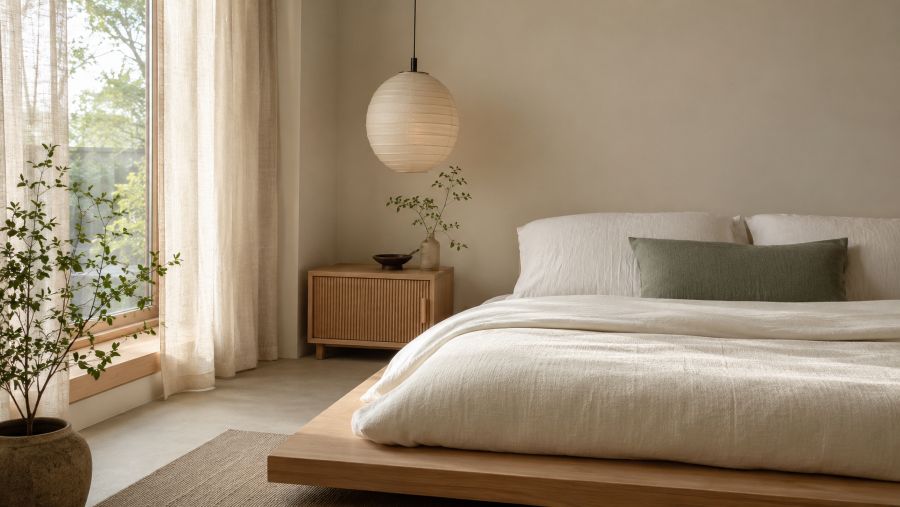
Smart Small Space Tip: Paint your walls, trim, and built-in storage in the same warm white. When color flows uninterrupted across surfaces, your eye reads the room as one continuous space, which instantly makes any room feel bigger and more serene.
Stonewashed Linen Throw Blanket (Oatmeal / Natural Beige)
A soft, breathable linen throw in warm neutral tones is the easiest way to add Japandi texture to a sofa or bed. It layers beautifully over your base palette and wrinkles naturally for that effortless wabi-sabi feel.
Check Price on Amazon →Furniture and Layout: Making Every Inch Count
In Japandi, furniture is low, light, and purposeful. Pieces tend to sit close to the floor — think platform beds, low sofas, and short-legged tables — which draws the eye downward and makes ceilings feel taller. In any room, this low-profile approach opens up valuable visual space above eye level and keeps the room from feeling top-heavy or cramped.
Just as important is the principle of negative space. Rather than pushing furniture against every wall, leave deliberate gaps and walkways so the room can breathe. A single, beautifully made low bench can be more impactful than a cluttered arrangement of small accent pieces. Whenever possible, choose multi-functional items: a storage ottoman, a bed frame with drawers underneath, or a slim console that doubles as a desk. These pieces honor Japandi’s functional philosophy while quietly solving the storage challenges that come with everyday living.
| Element | Japandi Approach | Practical Tip |
|---|---|---|
| Seating | Low, simple-lined sofa in linen or cotton | Choose exposed legs so the floor shows through and the room feels open |
| Tables | Light wood, rounded edges, slim profile | Nesting tables tuck away when not in use |
| Storage | Closed cabinets in matte wood tones | Pick tall, narrow units to use vertical space, not floor space |
| Bed | Low platform with neutral linen bedding | Use the under-bed area for hidden seasonal storage |
| Lighting | Paper, rattan, or matte-finish fixtures | Layer small lamps instead of one bright ceiling light |
Handwoven Seagrass Storage Basket with Lid
Hidden storage is essential in any tidy home, and a lidded woven basket keeps everyday clutter out of sight while adding warm, natural texture. Tuck it under a console or beside the sofa for instant Japandi tidiness.
Check Price on Amazon →Materials, Textures, and Bringing Nature Indoors
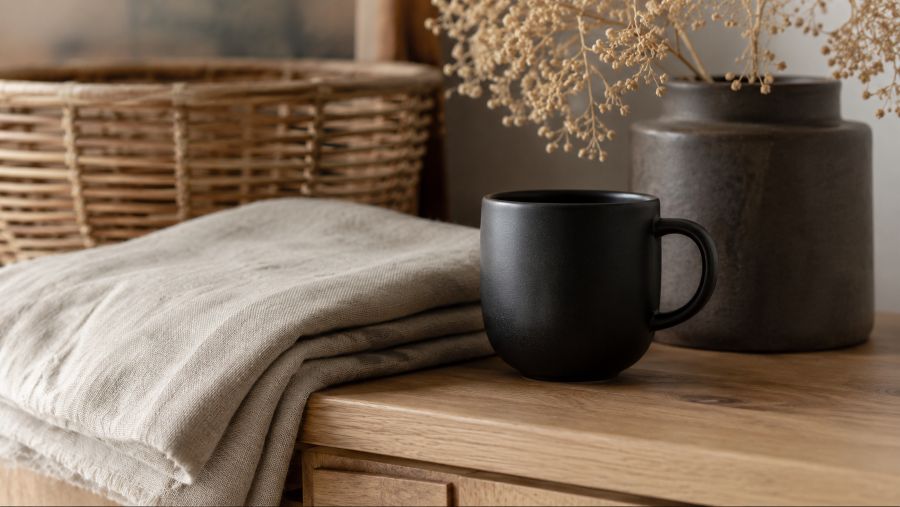
If color sets the mood in a Japandi home, texture gives it depth. Because the palette is so restrained, the interest comes from contrasting tactile surfaces rather than bold patterns. Pair smooth ceramics with nubby linen, set a woven rattan basket beside a sleek wooden shelf, and let the natural grain of unfinished oak speak for itself. This interplay keeps a neutral room from ever feeling boring, whether it’s a spacious lounge or a compact studio.
Plants play a quiet but essential role too. Rather than a jungle of greenery, Japandi favors a few sculptural specimens — a single bonsai, a slender olive tree, or a vase of dried pampas grass. These living touches reinforce the style’s connection to nature and soften hard edges without crowding the room. Choose simple ceramic or stoneware pots in earthy tones so the planters blend seamlessly into your palette instead of demanding attention.
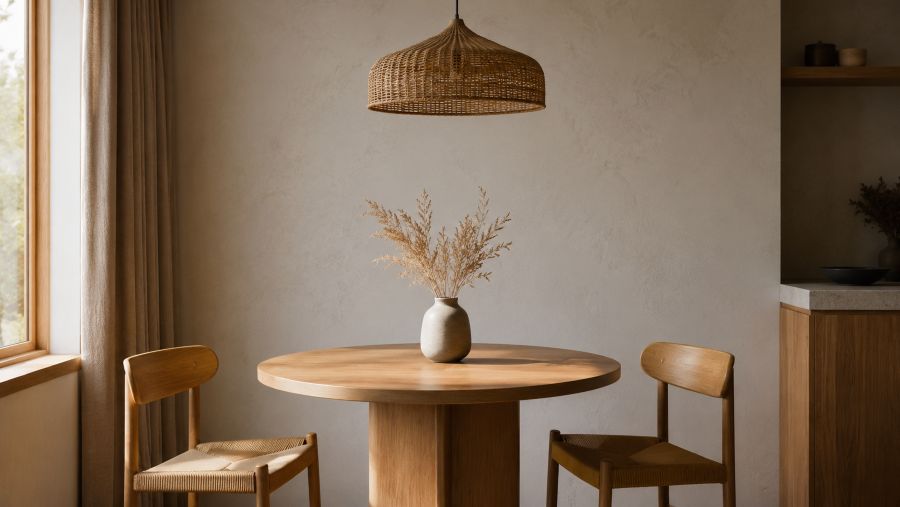
Matte Stoneware Ceramic Vase (Earthy Neutral Tones)
Pair a matte stoneware vase with a few stems of dried pampas grass for a sculptural, low-maintenance touch of nature. Its earthy finish blends seamlessly into a Japandi palette without demanding attention.
Check Price on Amazon →Decluttering and the Wabi-Sabi Mindset
No amount of beautiful furniture will deliver a Japandi feel if surfaces are buried under clutter. This is where the Japanese half of the equation truly matters. Adopting a wabi-sabi mindset means letting go of the need for more and learning to appreciate what is essential, simple, and quietly imperfect. Start by editing ruthlessly: keep only what you use or love, and give everything that remains a designated home.
Once you’ve pared things back, embrace gentle imperfection rather than chasing showroom perfection. A handmade mug with a slightly uneven glaze, a linen throw that wrinkles naturally, or a wooden bowl that shows its grain — these are the details that make a Japandi home feel soulful and human. For any home, this philosophy is liberating: it frees you from the pressure to fill space and gives you permission to live with less, more beautifully.
Lighting and Ambiance in a Japandi Home
Lighting is the final layer that ties a Japandi space together, and it deserves more attention than most people give it. The goal is soft, warm, and diffused light that mimics natural daylight rather than the harsh glare of a single overhead bulb. During the day, maximize what you have: keep windows clear, swap heavy drapes for sheer linen curtains, and let sunlight flood in to make any room feel open and alive.
After dark, layer your lighting with intention. A paper lantern pendant, a low table lamp with a warm-toned bulb, and perhaps a slim floor lamp in a reading corner create pools of gentle light that make a room feel cozy and considered. Avoid cool, blue-white bulbs entirely; warm temperatures around 2700K echo the candle-soft glow of hygge and keep the mood calm. Thoughtful lighting is also one of the most affordable ways to transform a rental, since you can take every fixture with you when you move.
Japanese-Style Rice Paper Pendant Light (Warm White)
A rice paper lantern diffuses light into a soft, ambient glow that captures the Japanese half of Japandi perfectly. It’s lightweight, affordable, and easy to install — an ideal upgrade for any home or rental.
Check Price on Amazon →FAQ: Japandi Style at Home
What is the difference between Japandi and regular minimalism?
Pure minimalism often feels cold and sparse, prioritizing empty space above all else. Japandi keeps the clean lines and clutter-free philosophy but layers in the warmth of Scandinavian hygge and the soulful imperfection of Japanese wabi-sabi. By using natural wood, soft textiles, and earthy tones, the space feels calm and lived-in rather than clinical.
What colors work best for Japandi style?
Stick to a muted, low-contrast palette: warm whites, oatmeal, soft greige, and pale wood tones as your base, grounded by a few deeper accents like charcoal, black, or muted sage green. Keeping the palette tight and light makes any room feel airier and more cohesive.
Is Japandi expensive to achieve on a budget?
Not necessarily. Japandi rewards owning fewer, better pieces rather than buying a lot of things. You can start by decluttering what you already own, choosing a calm paint color, adding a few natural textures like linen and rattan, and gradually replacing items with simple, well-made alternatives over time.
Can I mix Japandi with other styles?
Yes, gently. Japandi pairs beautifully with subtle boho or modern coastal touches as long as you keep the palette muted and avoid clutter. The key is restraint: introduce only one or two complementary elements so the calm, intentional foundation of the Japandi look stays intact.
Final Thoughts: A Calmer, Smarter Home
Japandi is more than a passing trend — it’s a quietly practical philosophy that happens to look stunning in any space. By committing to a warm, restrained palette, choosing low and multi-functional furniture, layering natural textures, and embracing the freedom of owning less, you can transform any home into a sanctuary that feels open, intentional, and genuinely restful.
The best part is that you don’t need to do it all at once. Start with one room, declutter what no longer serves you, and add pieces slowly and thoughtfully. Over time, your home will grow into a calm, cohesive space that reflects the very best of both Japanese and Scandinavian design — proof that, when it comes to creating a restful home, less really can be so much more.
Affiliate Disclosure: As an Amazon Associate, Smart Small Space earns from qualifying purchases. Product links in this article may earn us a small commission at no extra cost to you, which helps support our content.
ADeL A.A
ADeL A.A is a home décor and space optimization writer who believes every square foot matters. He spends his time researching, testing, and comparing smart storage ideas, multi-functional furniture, and practical layout solutions — always searching for the best ways to make compact homes feel bigger, brighter, and better organized.
View all articles by ADeL A.A →