How to Live Comfortably as a Couple in a Small Apartment

Sharing a small apartment as a couple sounds romantic in theory, but anyone who has actually done it knows the truth is more layered. Two people, two routines, two sets of belongings, and one bathroom can either create a warm, efficient home or a daily source of low-grade tension. The good news is that comfort in a small space is rarely about square footage. It is about design choices, shared agreements, and small habits that compound over time.
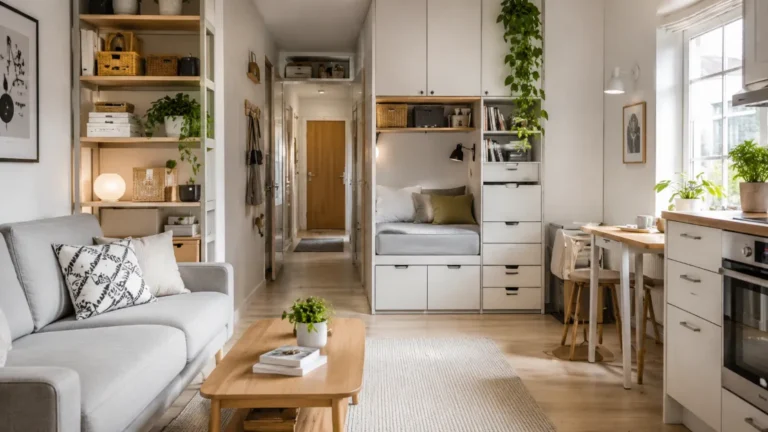
This guide walks through the practical and emotional sides of small apartment couple living, from carving out personal zones within shared walls to choosing furniture that earns its keep. Whether you are in a studio, a tight one-bedroom, or a compact loft, these strategies will help two people live together comfortably without feeling like they are constantly stepping over each other.
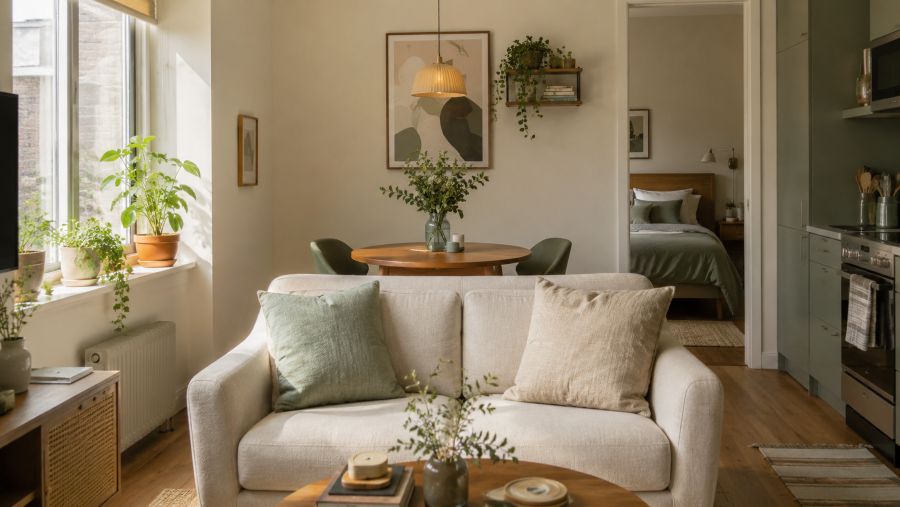
To see these small apartment couple living ideas in action, watch the short walkthrough below before we dig into the details. It summarizes the core zoning, storage, and layout principles that make sharing a small space comfortable for two people.
With that overview in mind, the rest of this guide breaks down each strategy step by step, from defining personal zones to choosing multifunctional furniture, so you and your partner can apply these small apartment couple living tips in your own shared space today.
Before rearranging a single piece of furniture, it helps to reframe the challenge. A small shared apartment is not a problem to solve so much as a system to tune. Two people are constantly negotiating the same air, the same surfaces, and the same hours of the day. When that system is designed thoughtfully, the apartment feels intimate and easy. When it is ignored, the same dimensions feel cramped and combative. The difference almost always comes down to intention rather than space.
Throughout this article, you will notice a recurring theme: comfort for couples in small spaces is equal parts physical design and relationship design. You cannot fix a layout problem with better communication alone, and you cannot fix a communication problem by buying another storage bin. The most comfortable small homes get both sides right, and they do it gradually rather than in a single exhausting weekend overhaul.
Why Small Apartments Test Couples Differently
Living alone in a small space is mostly a logistics challenge. Living as a couple in that same space adds a second variable that changes everything: another human with their own rhythms, preferences, and tolerance for mess. One person may be an early riser who needs quiet mornings, while the other works late and unwinds with the television on. In a large home, those differences barely register. In four hundred square feet, they collide daily.
Recognizing this early is liberating rather than discouraging. It means most friction in a shared small apartment is not about love or compatibility; it is about overlapping needs in a confined footprint. Once you treat the apartment as a shared resource to be allocated fairly, you stop blaming each other and start solving the actual constraint. That shift in mindset is the foundation everything else in this guide is built on.
The Three Pressures That Build Up
- Spatial pressure: not enough physical room to spread out, leading to a sense of always being on top of each other.
- Storage pressure: two people’s belongings competing for the same closets, shelves, and surfaces.
- Time pressure: overlapping routines for sleeping, working, cooking, and relaxing within the same rooms.
Notice that only one of these is purely about size. The other two are about organization and scheduling, which means they are fully within your control even if you cannot move walls. Most couples who feel cramped are actually experiencing storage and time pressure that masquerades as a lack of space. Addressing those two often makes the apartment feel dramatically larger overnight.
Define Personal Zones Within Shared Walls
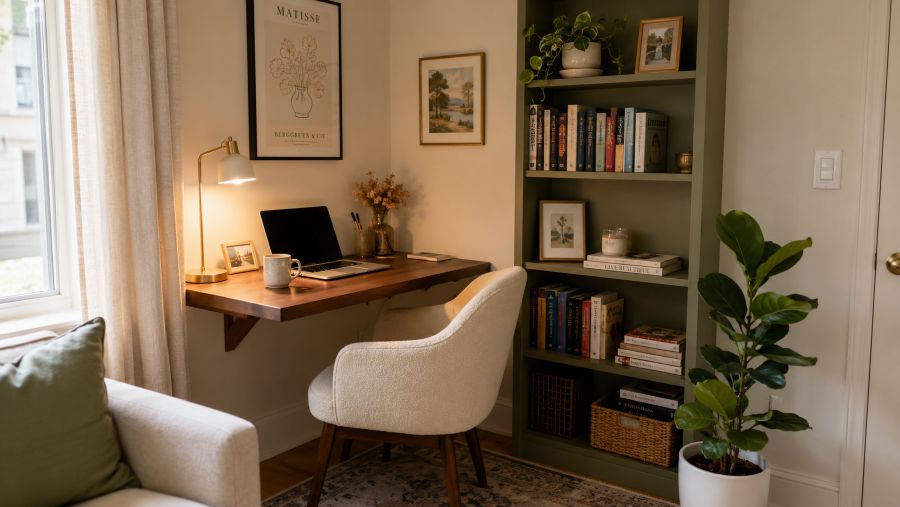
The single most powerful move for couples in small apartments is giving each person a zone that is unmistakably theirs. This does not require a separate room. It can be a single chair, one shelf, a corner of the closet, or a particular side of the bed paired with a personal nightstand. The psychological value of having one spot that nobody else rearranges is enormous, and it dramatically reduces the feeling of being constantly merged into one undifferentiated household.
Personal zones work because they restore a sense of autonomy. When everything is shared, every decision becomes a negotiation, and constant negotiation is exhausting. By contrast, when each partner controls a defined territory, those small areas absorb the need for individual expression. One person can keep their corner minimalist while the other piles books and trinkets on theirs, and neither has to ask permission or apologize.
Practical Ways to Create Zones Without Walls
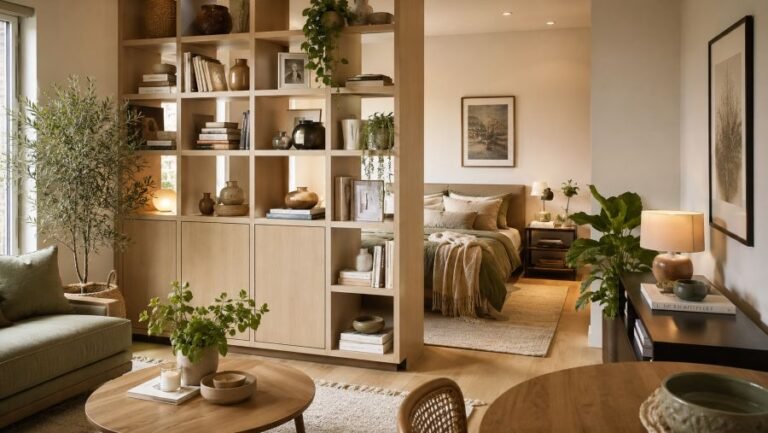
- Use furniture as dividers: a bookshelf, an open shelving unit, or the back of a sofa can visually separate a sleeping area from a living area.
- Define zones with rugs and lighting: a small rug under a chair and a dedicated lamp instantly signal a distinct space.
- Hang a curtain or screen: a simple ceiling-mounted curtain can close off a sleeping nook or a work area when privacy is needed.
- Assign sides and surfaces: his and her nightstands, drawers, or shelves remove the daily friction of competing for the same spot.
As you experiment, resist the urge to make every zone perfectly symmetrical. Couples rarely need the same things, so a fair division is not always an equal one. The partner who works from home may need more of the apartment dedicated to a desk setup, while the other may value a larger share of the closet. Trade generously and revisit the arrangement as your needs change.
Master Storage So Two Lives Fit Comfortably
Storage is where most small apartment couples either thrive or quietly suffer. When two people’s possessions have nowhere consistent to live, surfaces fill up, floors collect bags and shoes, and the apartment reads as chaotic regardless of how clean it actually is. The solution is not necessarily owning less, although that helps. The real key is making sure every single item has a fixed, agreed-upon home that both partners respect.
Begin by auditing what you own together. It is common for couples to discover they have two of many things after moving in together, from kitchen gadgets to extra blankets. Consolidating duplicates frees up a surprising amount of space and removes the low-level decision fatigue of choosing between redundant items. Once you have trimmed the excess, you can design storage around what genuinely remains.
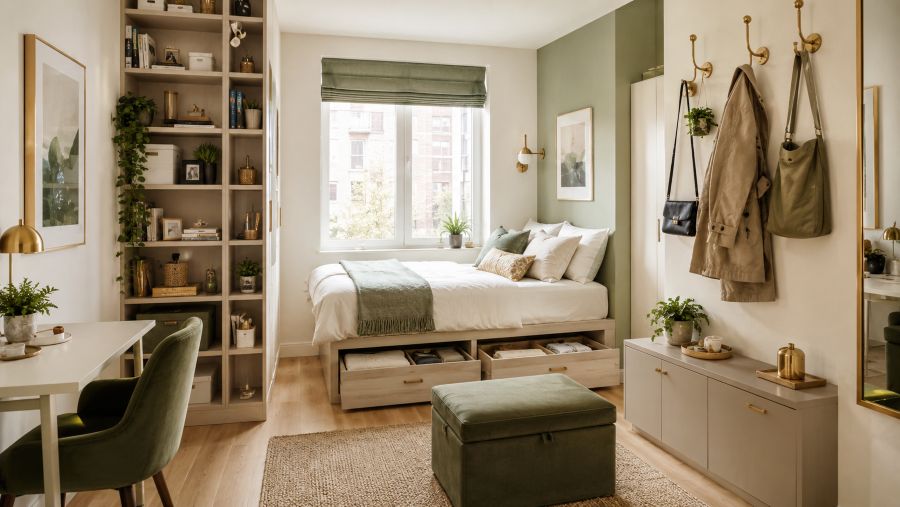
Think vertically wherever possible. Floors are precious in small apartments, so the more you can lift up onto walls, the more open the space feels. Tall shelving, over-door organizers, wall hooks, and cabinets that reach toward the ceiling all reclaim square footage that would otherwise be wasted. Hidden storage is equally valuable: a storage bed, an ottoman that opens, and a bench with compartments quietly absorb the clutter that two people inevitably generate.
Smart Small Space Tip: Adopt a shared one-in-one-out rule. Whenever one partner brings a new item into the apartment, an equivalent item leaves. This single habit keeps two people’s belongings in permanent balance and prevents the slow creep of clutter that eventually makes any small space feel cramped, no matter how clever the storage.
Design a Layout That Reduces Daily Friction
Layout is the invisible choreography of your apartment. A good layout lets two people move through their morning routines without colliding, prepare food without bumping elbows, and relax in the evening without one person’s activity dominating the entire room. A poor layout forces constant minor negotiations that slowly wear on even the most patient couple. Fortunately, small spaces respond dramatically to even modest layout adjustments.
Start by mapping the natural traffic paths through your home. Walk the route from the front door to the bedroom, from the bed to the bathroom, and from the kitchen to wherever you eat. Anywhere those paths cross frequently is a potential pinch point. The goal is to keep these corridors clear and to position furniture so that two people can pass without one having to stop and wait. Even a few inches of clearance can transform how spacious a room feels.
Layout Principles That Work for Two
- Keep pathways clear: aim for at least 24 to 30 inches of walking width in main routes so two people are never trapped.
- Float furniture thoughtfully: pulling a sofa slightly off the wall can define a living zone and improve flow in an open plan.
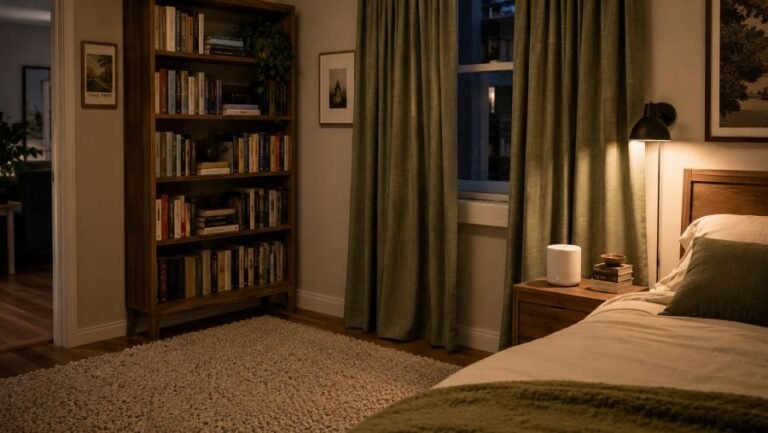
- Separate active and quiet areas: position the desk or television away from the bed so one person’s activity does not disturb the other.
- Anchor the kitchen for two cooks: create a clear prep zone and a clear cleanup zone so cooking together is collaborative rather than congested.
It is worth testing a layout for a week before committing to it. Live with the arrangement, notice where you and your partner keep getting in each other’s way, and adjust accordingly. Comfort in a small apartment is iterative; the best configuration usually reveals itself only after you have experienced the friction of a few imperfect ones. Stay flexible and treat your furniture as movable rather than fixed.
Build Daily Habits and Communication Rhythms
No layout or storage system survives contact with two real people unless it is supported by shared habits. This is the part most design articles skip, yet it is arguably the most important factor in whether couples feel comfortable in a small apartment over the long term. A beautifully organized space deteriorates within days if both partners do not maintain it, and the maintenance itself becomes a source of resentment if expectations are never discussed openly.
The most successful small-space couples treat upkeep as a shared rhythm rather than a chore one person nags about. A short daily tidy, a quick weekly reset done together, and an honest conversation about who handles what removes the silent scorekeeping that erodes goodwill. When both partners can see that the system is fair and that maintenance is light, the apartment stays comfortable almost effortlessly.
Protecting Alone Time and Privacy
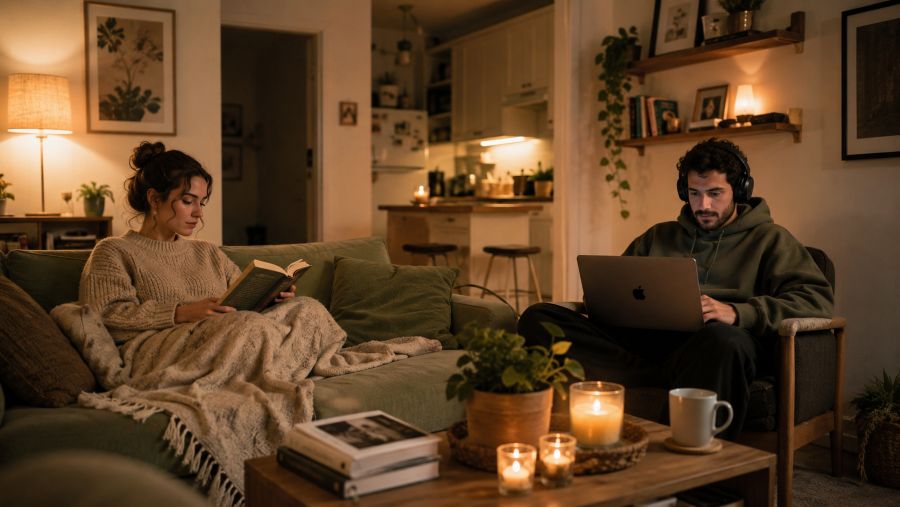
Even the closest couples need moments apart, and small apartments make solitude harder to find. The trick is to create privacy through time and signals rather than walls. Staggering routines so one person showers while the other makes coffee, or one works while the other runs errands, gives each partner pockets of the apartment to themselves. Headphones, a closed laptop, or a particular chair can all become understood signals that someone needs quiet focus without it being taken personally.
Agree on simple, non-confrontational cues in advance. A phrase as gentle as needing an hour to decompress, or physically retreating to a designated nook, communicates a need for space without rejection. When both partners trust that asking for solitude is normal and welcome, the small apartment stops feeling like a place with no escape and starts feeling like a comfortable home that flexes around two individuals.
Choose Furniture and Decor That Earn Their Space
In a small shared apartment, every piece of furniture should justify its footprint by doing more than one job. A storage bed sleeps two and hides off-season clothing. A nesting coffee table expands when guests arrive and shrinks back afterward. A wall-mounted folding desk becomes a workstation by day and disappears by night. When furniture multitasks, two people can enjoy the functions of a much larger home without sacrificing the open floor that makes a small space feel calm.
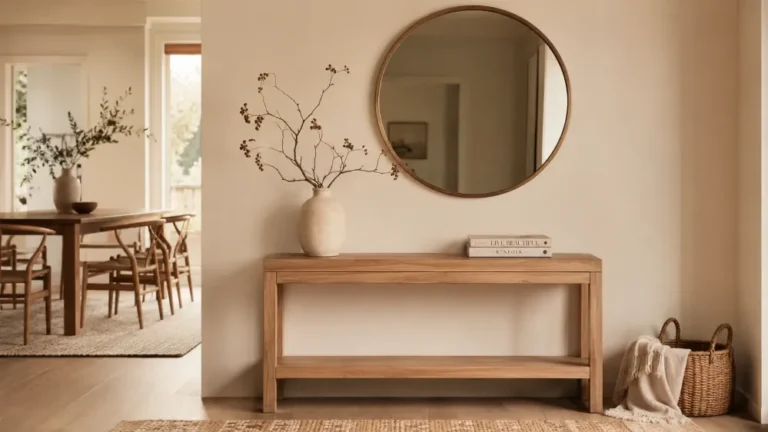
Decor matters too, though restraint is the guiding principle. A small apartment shared by a couple can quickly feel busy because it holds the combined tastes of two people. Choosing a unifying color palette and a few shared decorative themes helps the space feel intentional rather than accidental. Mirrors expand the sense of light and depth, while a handful of plants soften hard edges and make the home feel alive without consuming usable surface area.
| Furniture Piece | Primary Function | Secondary Benefit for Couples |
|---|---|---|
| Storage bed | Sleeping for two | Hides clothing, linens, and seasonal items underneath |
| Sofa bed | Daily seating and lounging | Hosts overnight guests without a spare room |
| Wall-mounted folding desk | Work and study surface | Folds flat to free the floor when not in use |
| Storage ottoman | Footrest and extra seating | Conceals blankets, games, or clutter instantly |
| Extendable dining table | Meals for two | Expands to seat friends, doubles as a shared workspace |
When shopping for these pieces, measure twice and prioritize scale. Oversized furniture is the most common mistake couples make in small apartments, because items that looked reasonable in a showroom overwhelm a compact room and block natural light. Slimmer profiles, raised legs that reveal floor space beneath, and lighter finishes all help furniture sit gracefully in a small home rather than dominating it.
Putting It All Together for the Long Term
Comfortable small-space living as a couple is not a one-time setup; it is an ongoing practice. Your needs will shift, your belongings will evolve, and the layout that works this year may feel wrong the next. The couples who stay happy in small apartments are the ones who keep adjusting without drama, treating the home as a living system rather than a finished project. Each tweak, each decluttering session, and each honest conversation makes the next one easier.
Ultimately, a small apartment can be one of the most rewarding environments for a relationship. It forces a kind of closeness and cooperation that larger homes allow couples to avoid, and when handled well, that proximity becomes a source of warmth rather than stress. With defined zones, smart storage, a thoughtful layout, shared habits, and furniture that earns its place, two people can build a home that feels generous, peaceful, and genuinely comfortable, no matter how modest the floor plan.
FAQ: Couple Living in a Small Apartment
How much space does a couple really need in an apartment?
Most couples live comfortably in 400 to 700 square feet when the layout is intentional. What matters far more than raw square footage is how zones are defined, how storage is distributed, and whether each person has at least one small spot that feels personally their own. Thoughtful design routinely makes a compact apartment feel larger than a poorly arranged one twice its size.
How can two people keep a small apartment from feeling cluttered?
Adopt a one-in-one-out rule, give every item a fixed home, and favor dual-purpose furniture with hidden storage. A weekly ten-minute reset done together prevents small messes from compounding, which is the real cause of clutter in shared compact spaces. Consolidating duplicate belongings when you first move in together also makes a lasting difference.
How do couples get alone time in a studio or one-bedroom apartment?
Create soft boundaries with headphones, screens, or curtains, and agree on signals that mean you need quiet time. Staggering routines, using shared calendars, and treating a balcony, reading nook, or even the kitchen as a temporary retreat all help two people feel separate without leaving the apartment. The key is making requests for solitude feel normal rather than personal.
What is the best furniture for couples in a small apartment?
Prioritize multifunctional pieces such as a storage bed, a nesting coffee table, a wall-mounted folding desk, and a sofa that can host guests. Each piece should earn its footprint by doing at least two jobs, which keeps the floor open and reduces daily friction. Choosing slimmer, lighter-finished furniture also prevents a compact room from feeling overcrowded.
Final Thoughts
Living comfortably as a couple in a small apartment is entirely achievable, and it rarely requires more space than you already have. It asks instead for intention: defining personal zones, mastering storage, designing a layout that flows, building fair daily habits, and selecting furniture that works as hard as you do. Approach your home as a shared system to tune rather than a constraint to endure, and a small apartment can become the warm, efficient, and deeply comfortable base that supports your life together.
ADeL A.A
ADeL A.A is a home décor and space optimization writer who believes every square foot matters. He spends his time researching, testing, and comparing smart storage ideas, multi-functional furniture, and practical layout solutions — always searching for the best ways to make compact homes feel bigger, brighter, and better organized.
View all articles by ADeL A.A →