How to Keep Your Home Toasty in Winter When Space Is Tight

When winter arrives and space is tight, staying warm becomes a daily puzzle. A compact home can heat up quickly, but it can also lose that warmth just as fast through drafty windows, gaps under doors, and cold, uninsulated floors. The challenge is keeping the heat you create where you want it — around you — without running up an alarming energy bill or cluttering your limited space with bulky equipment.
This guide gathers practical, budget-friendly ways to keep your home toasty through the cold months, tailored to compact living. You will learn how to stop drafts, insulate windows, layer in cozy warmth, heat efficiently, and make the most of the free heat already around you. Most of these tips are renter-friendly and require no permanent changes, so you can stay warm this winter whether you own your home or rent it.
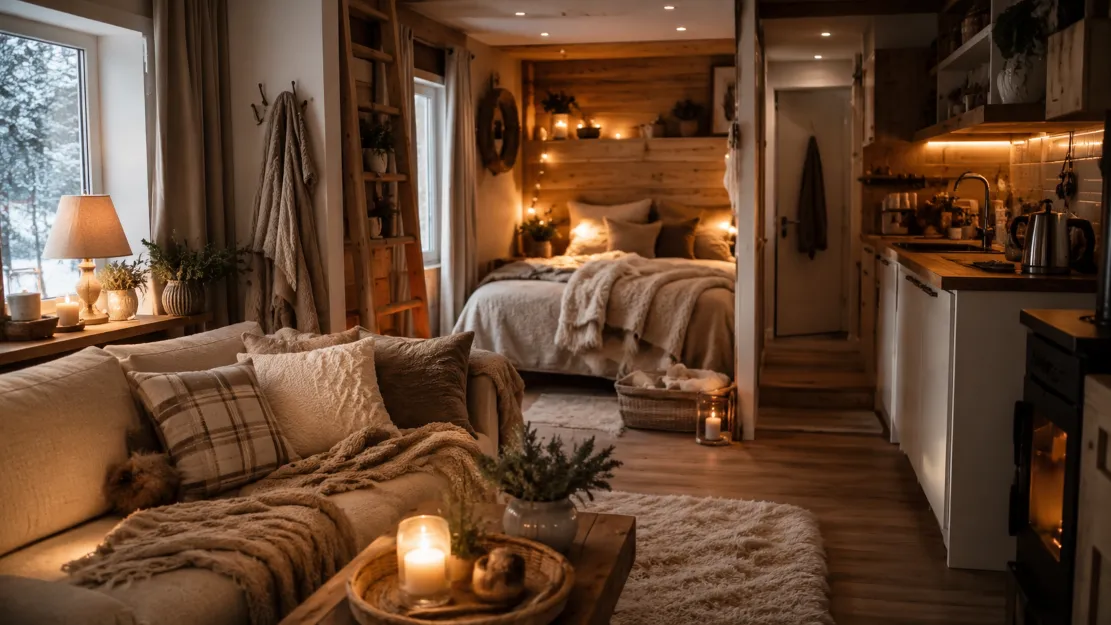
Compact homes have one big advantage in winter: there is simply less air to heat, so they warm up faster and respond quickly to a single heat source. The flip side is that they are often older rentals or conversions with thin walls, single-glazed windows, and plenty of gaps where warmth escapes. The strategy, then, is twofold — first, stop losing the heat you have, and second, generate and direct warmth efficiently. We will start with the step that delivers the biggest payoff for the least money: sealing out drafts.
Stop the Drafts: Seal the Leaks
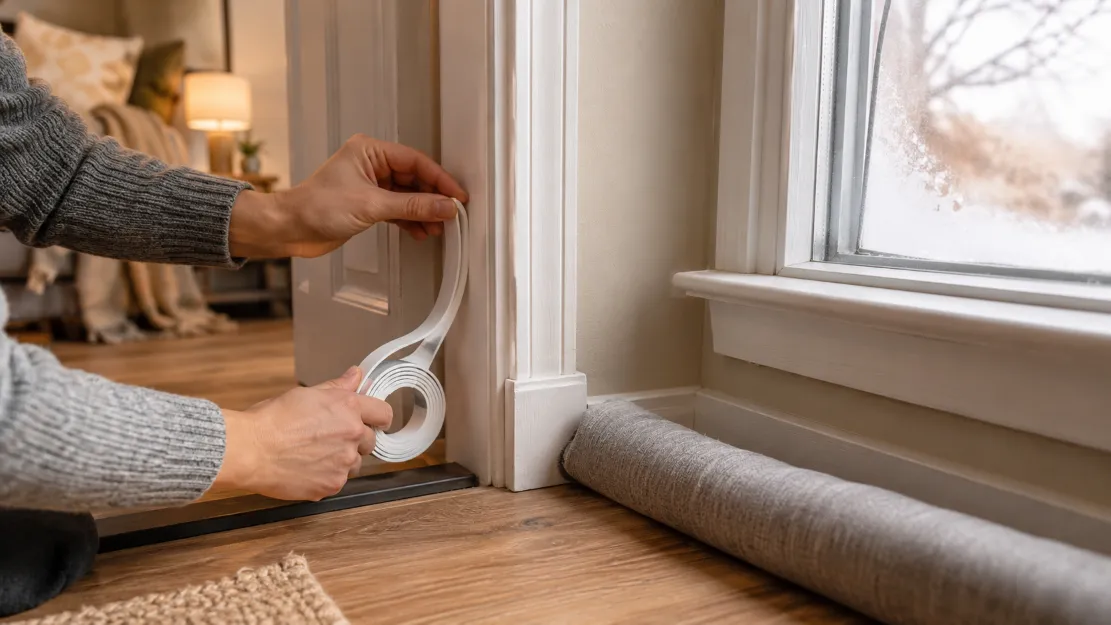
Before adding any heat, plug the holes letting it escape. Drafts around doors and windows are one of the largest sources of heat loss in any home, and sealing them is cheap, easy, and instantly effective. Run your hand around window frames and door edges on a cold day to feel for cold air sneaking in, and you will quickly find the culprits. Self-adhesive weatherstripping foam seals these gaps in minutes, peels away cleanly when you move, and costs very little.
Doors deserve particular attention, since the gap underneath can let a surprising amount of cold air pour in. A draft stopper — whether a fabric “snake” you lay along the threshold or a brush strip fitted to the door — makes an immediate difference. Do not forget less obvious leaks, like letterboxes, keyholes, unused vents, and the gaps around pipes. Sealing this collection of small openings is often the single most impactful thing you can do, and it keeps the warmth you pay for inside where it belongs.
Insulate Your Windows
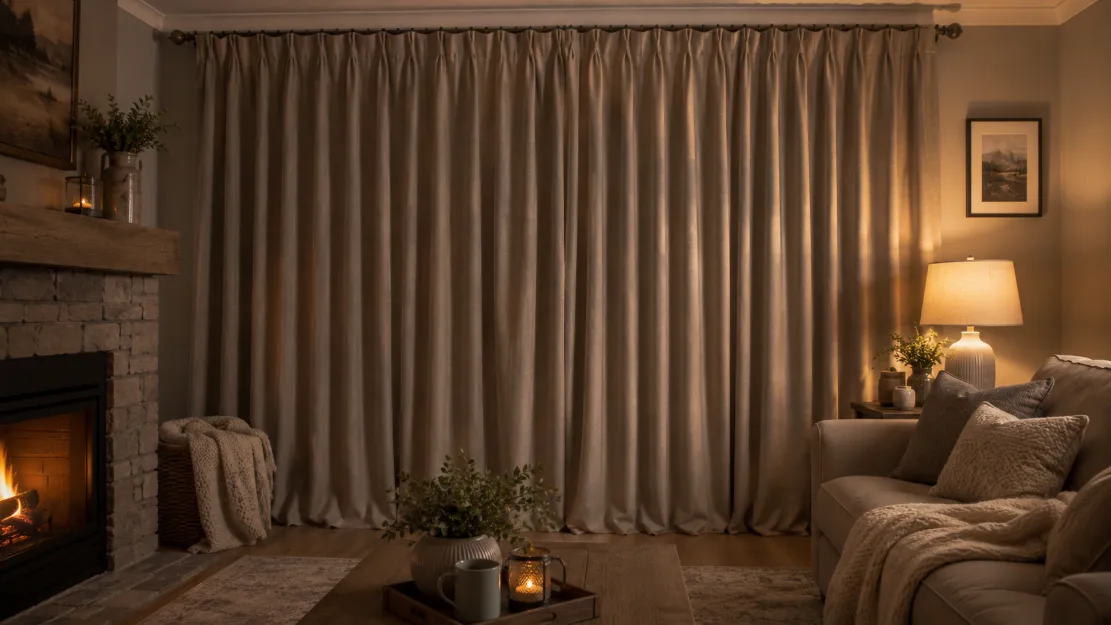
Windows are the next great escape route for warmth, especially if they are single-glazed. The good news is you can dramatically cut that loss without replacing anything. Heavy, thermal-lined curtains act as an insulating barrier; close them the moment it gets dark to trap heat inside, and open them during sunny daytime hours to welcome free solar warmth. Cellular, or honeycomb, shades work on the same principle, using built-in air pockets to slow heat transfer through the glass.
For an even bigger boost, consider temporary window insulation. Self-adhesive insulating film, applied to the frame and gently shrunk with a hairdryer, creates a near-invisible extra layer of trapped air that noticeably reduces heat loss and removes easily in spring. These window measures are some of the most effective upgrades available to renters, since none of them alter the property permanently. Together with sealed drafts, well-insulated windows transform how long your home holds its warmth.
Layer In Cozy Warmth
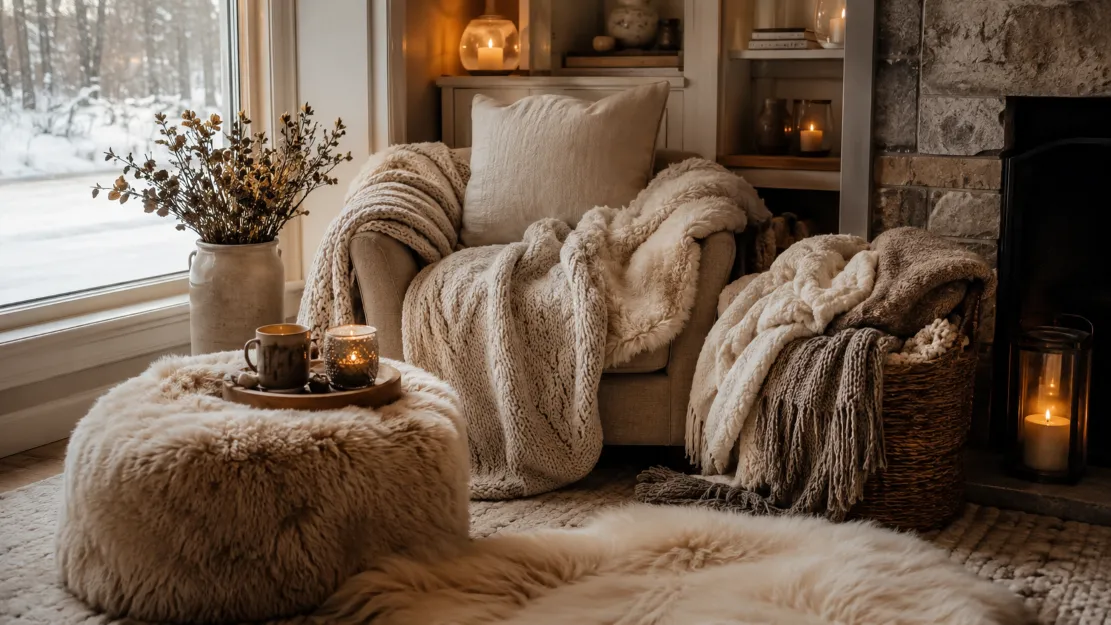
Soft furnishings do more than look inviting — they genuinely warm a space and the people in it. Hard floors, particularly tile or laminate, feel cold underfoot and pull heat from a room, so laying down rugs adds insulation and comfort at once. The thicker the rug, the more it helps, and in a compact home even a few well-placed rugs cover most of the cold surfaces you actually walk on.
Textiles work their magic throughout the room. Layer the sofa and bed with throws and blankets so warmth is always within reach, and swap lightweight summer bedding for heavier winter layers. These cozy touches let you stay comfortable at a lower room temperature, which saves energy. Consider building warmth with these simple additions:
- Rugs on cold floors to insulate hard surfaces and warm your feet.
- Throws and blankets draped over seating so warmth is always at hand.
- Heavier winter bedding and flannel sheets for cozy nights.
- Cushions and soft layers that make a room feel — and stay — warmer.
- Door curtains over external doors to block cold air at the entrance.
Heat Smart, Not Hard
How you generate heat matters as much as how you keep it. In a compact home, you rarely need to warm the whole place at once, so focus your heating on the room you are actually using. An efficient space heater can warm a single room quickly, and pairing it with a smart plug or timer lets you schedule warmth for when you are home and switch it off automatically when you are not, avoiding wasted energy. Closing the doors to unused rooms concentrates the heat where you want it.
If you have radiators, a couple of easy tweaks improve their output. Make sure furniture is not blocking them, since a sofa pushed against a radiator absorbs the heat meant for the room. Placing a simple reflective panel behind a radiator on an external wall bounces warmth back into the space rather than letting it seep into the wall. And bleeding trapped air from radiators helps them heat evenly. None of these cost much, yet together they squeeze more warmth from the heating you already have.
Smart Small Space Tip: Heat the person, not just the room. An electric blanket, a heated throw, a hot water bottle, or simply cozy layers and warm socks keep you comfortable at a much lower room temperature, which is far cheaper than heating all the air around you. In a compact home, this “warm the body first” approach can cut heating costs dramatically.
Use the Free Heat Around You
Some of the best winter warmth costs nothing at all. Sunlight is the most obvious source: on clear days, open your curtains and blinds to let the sun pour in and warm the room naturally, then close them the instant dusk falls to trap that warmth before it escapes through the glass. This simple daily rhythm of opening for sun and closing for insulation can meaningfully raise your home’s temperature for free.
Everyday activities give off heat too. After cooking, leaving the oven door open as it cools (once switched off) releases its warmth into a compact kitchen, and the residual heat from cooking naturally takes the chill off the room. Even a few candles add a gentle, cozy warmth and atmosphere, though they should always be watched and kept away from anything flammable. Capturing these small, free sources of heat is exactly the kind of resourceful thinking that makes compact living comfortable in winter.
Quick Winter Warmth Reference
To help you prioritize, the table below sorts the main tactics by cost and impact, so you can start with the changes that deliver the most warmth for the least effort.
| Tactic | Cost | Impact | Renter-Friendly? |
|---|---|---|---|
| Seal drafts (weatherstrip, stoppers) | Very low | High | Yes |
| Thermal curtains / window film | Low to moderate | High | Yes |
| Rugs and textiles | Low to moderate | Moderate | Yes |
| Zone heating with smart plug | Low | High | Yes |
| Radiator reflectors and bleeding | Very low | Moderate | Yes |
| Heat the person (blankets, layers) | Very low | High | Yes |
Don’t Forget Humidity and Airflow
A small but clever detail: humid air feels warmer than dry air at the same temperature. In winter, indoor air often becomes very dry, which can make a room feel colder than it is. Adding a little moisture — with a small humidifier, a bowl of water near a heat source, or even houseplants — can make the space feel cozier without turning up the heat. It also benefits your skin and breathing during the dry winter months.
That said, balance is key. Some fresh air remains important to prevent condensation and damp, both of which can make a home feel cold and clammy and damage walls over time. Air the home briefly each day by opening a window for a few minutes, ideally during the warmer part of the day, then close it to retain the heat. This quick exchange refreshes the air without significantly cooling the space, keeping your compact home both warm and healthy.
Winter Warmth Mistakes to Avoid
A few common errors quietly waste heat and money. Sidestep these for a warmer, more efficient home:
- Blocking radiators with furniture. A sofa in front of a radiator soaks up the heat meant for the room. Leave them clear.
- Leaving curtains open at night. Uncovered windows leak warmth after dark. Close them as soon as it gets dark.
- Heating empty rooms. Warming space you are not using wastes energy. Close doors and focus heat where you are.
- Ignoring small gaps. Letterboxes, keyholes, and pipe gaps add up. Seal every little leak you can find.
- Leaving heaters or candles unattended. Never leave a space heater or candle burning when you are out or asleep, and keep them well away from anything flammable.
When you combine these strategies — sealing drafts, insulating windows, layering textiles, heating smartly, and harvesting free warmth — a compact home becomes a genuinely cozy retreat from the winter cold. The beauty of small-space living is that each improvement has an outsized effect, because there is less space to keep warm in the first place. With a modest investment of effort and very little money, you can stay toasty all season while keeping your energy bills firmly in check.
Staying warm in winter when space is tight is less about powerful heating and more about smart habits. Stop the heat you have from escaping, add gentle insulation through curtains and textiles, direct your warmth to the rooms you actually use, and lean on free sources like sunlight and your own cozy layers. Tend to these basics, and your compact home will hold its warmth beautifully — proving once again that a small footprint, handled thoughtfully, is a comfort rather than a compromise.
FAQ: Keeping a Small Home Warm in Winter
What is the cheapest way to keep a small home warm in winter?
Stopping drafts is the cheapest and most effective first step. Sealing gaps around doors and windows with weatherstripping and using draft stoppers prevents warm air from escaping and cold air from sneaking in. Combined with closing curtains at night, layering rugs on cold floors, and heating only the rooms you use, these low-cost habits make a noticeable difference without raising your bills.
Do thermal curtains really help keep a room warmer?
Yes. Windows are a major source of heat loss, and thermal or heavily lined curtains add an insulating barrier that slows it down. Closing them as soon as it gets dark traps warmth inside, while opening them during sunny daytime hours lets free solar heat in. Cellular shades work in a similar way thanks to their insulating air pockets.
Is it cheaper to heat one room or the whole home?
Heating only the room you are actually using is usually cheaper than warming the entire home, which is an advantage compact living makes easy. Using an efficient space heater on a schedule in your main room, closing doors to unused areas, and heating yourself with blankets and warm layers all reduce the energy you spend keeping the whole place warm.
How can renters insulate without making permanent changes?
Renters have plenty of options that leave no trace. Removable weatherstripping, draft stoppers, thermal curtains, peel-off window insulation film, rugs, and radiator reflector panels all improve warmth without altering the property. Each can be taken down or removed when you move out, making them ideal for staying cozy in a rental.
Bringing It All Together
A compact home can be one of the easiest spaces to keep toasty in winter, as long as you work with its strengths. Seal the drafts that drain your heat, insulate windows with curtains and film, layer in rugs and throws for cozy warmth, and heat efficiently by focusing on the rooms — and the body — that need it most. Capture free heat from the sun and everyday activities, mind the humidity, and avoid the small habits that waste warmth. Put it all together, and you will sail through the cold months in a home that feels snug, inviting, and affordable to heat.
ADeL A.A
ADeL A.A is a home décor and space optimization writer who believes every square foot matters. He spends his time researching, testing, and comparing smart storage ideas, multi-functional furniture, and practical layout solutions — always searching for the best ways to make compact homes feel bigger, brighter, and better organized.
View all articles by ADeL A.A →