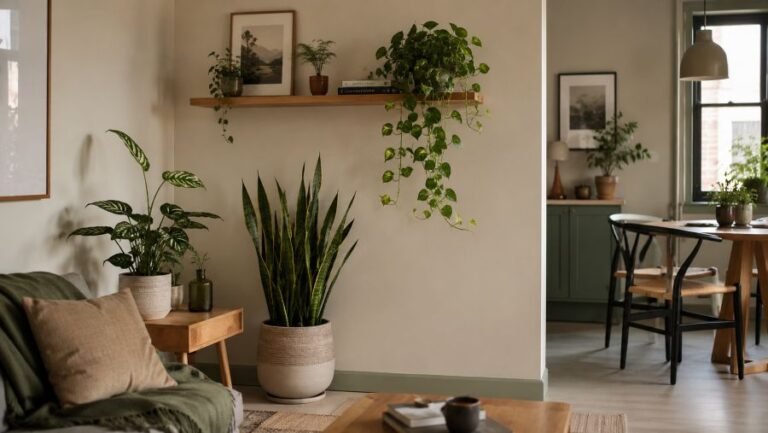
How to Keep a Compact Apartment Cool Without Central AC

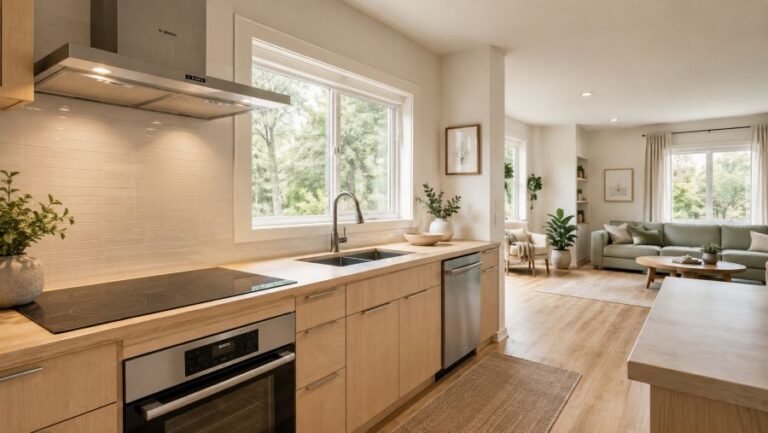
When summer arrives and your building has no central air, a compact home can start to feel less like a sanctuary and more like a slow cooker. Limited square footage means heat from sunlight, appliances, and even your own body has nowhere to escape, and temperatures climb quickly once the afternoon sun hits your windows. The good news? You do not need an expensive cooling system to reclaim your comfort.
In this guide, we walk through a complete strategy for keeping a cozy city dwelling comfortable through the hottest months — from blocking heat before it ever enters, to engineering airflow that actually works in a tight floor plan, to cooling your body directly when the room itself refuses to cooperate. Every tip here is practical, renter-friendly, and budget-conscious.
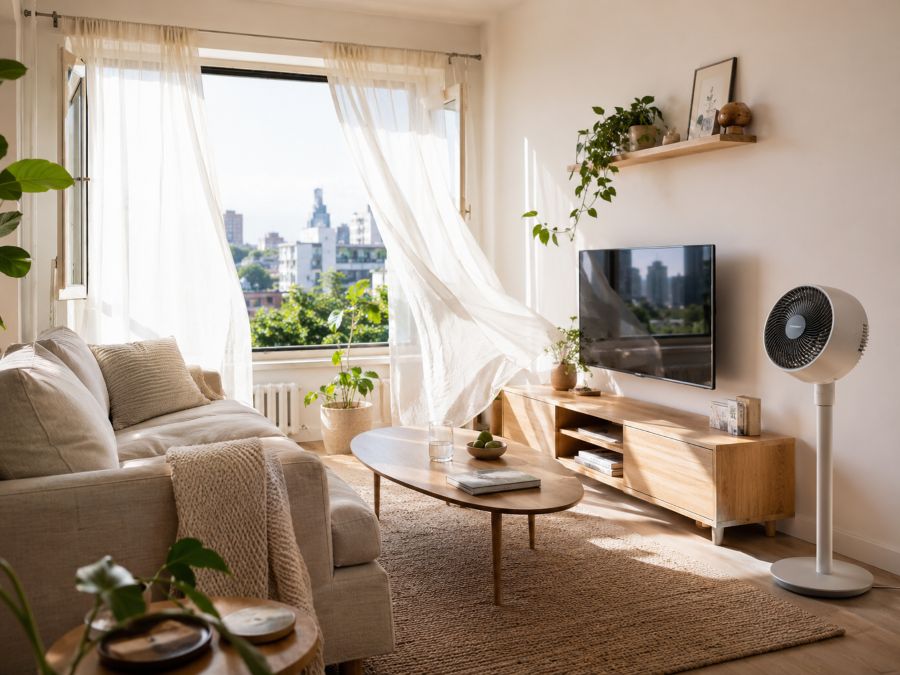
Before diving into individual tactics, it helps to understand one core principle: cooling a home without central air is really three separate jobs. First, you prevent heat from getting in. Second, you move the heat that does get in back outside. Third, you cool the people inside rather than obsessing over the thermostat reading. Most residents focus only on the second job — buying a fan and hoping for the best — which is exactly why so many compact units stay stubbornly warm. Tackle all three layers together, and the results compound dramatically.
Prefer to see the whole strategy in action first? The short video below walks through the key techniques for keeping a compact home cool without central AC — from the daily window rhythm to the push–pull fan setup — in under ninety seconds, before we break each one down in detail.
With the big picture in mind, let’s start where the battle against summer heat is truly won or lost: understanding why a cozy unit warms up so quickly in the first place.
Why Compact Homes Heat Up Faster — and Stay Hot Longer
A snug floor plan has genuine advantages in winter: less volume to heat means lower bills and faster warm-ups. In summer, that same physics works against you. A studio or one-bedroom unit has a high ratio of heat-producing activity to air volume. Your refrigerator, laptop, router, lighting, and cooking all dump warmth into the same few hundred square feet you occupy, and there is simply less air available to absorb it.
Location within the building matters enormously too. Upper-floor units absorb heat radiating down from the roof, while west-facing windows take the full force of intense afternoon sun precisely when outdoor temperatures peak. Older buildings often add poor insulation and single-pane glass to the equation. Meanwhile, many rental layouts offer windows on only one wall, which kills natural cross-breeze potential before you even start.
Understanding your unit’s specific heat profile is the first wellness move you can make. Spend one warm afternoon noticing where the sun lands, which surfaces feel hot to the touch, and which rooms trap stale air. Those observations will tell you exactly where to focus the strategies below, instead of scattering effort everywhere at once.
Master Your Windows: Stop Heat Before It Enters
Up to three-quarters of unwanted summer heat in a typical dwelling arrives through glass. That makes your windows the single highest-leverage battleground, and the routines here cost almost nothing once set up.
The Daily Open–Close Rhythm
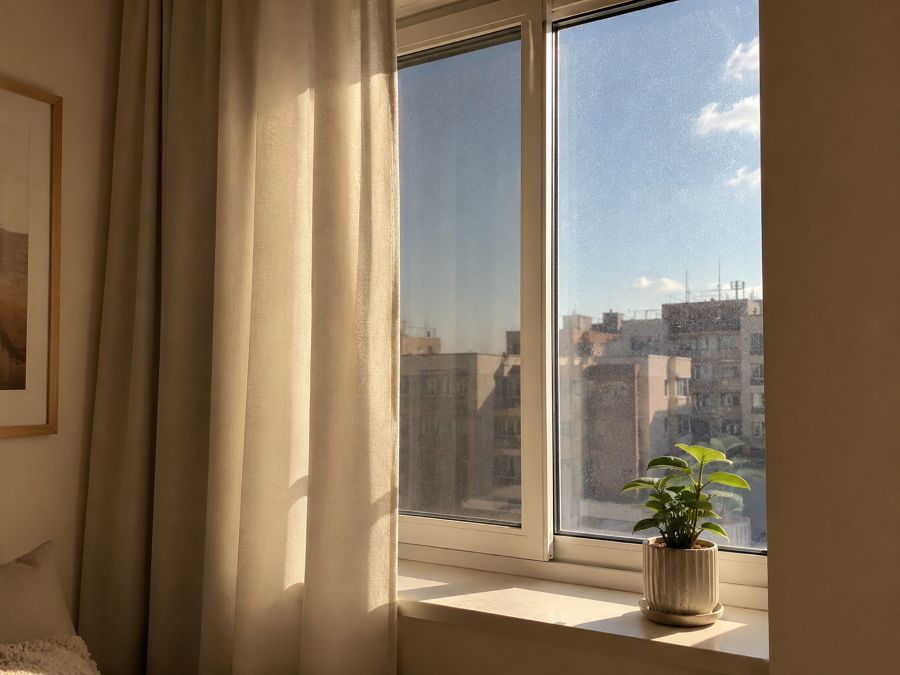
The most powerful cooling habit is also the simplest: treat your home like a thermos. In the early morning, while outdoor air is still cooler than indoor air, open everything wide and flush the unit with fresh air. As soon as the outside temperature catches up — usually mid-morning — close the windows and seal the curtains. You are now trapping the cool and locking the heat out. After sunset, when the evening air dips below your indoor temperature again, reopen everything and let the night breeze do its work. Residents who follow this rhythm consistently report indoor temperatures several degrees below neighbors who leave windows open all day, unintentionally inviting hot air inside.
Upgrade What Covers the Glass
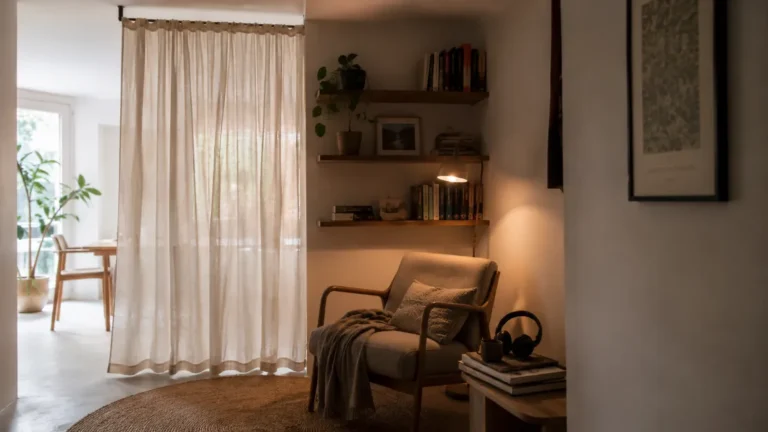
- Thermal blackout curtains: Choose light or neutral colors on the window-facing side so they reflect rather than absorb solar energy. Mounted close to the glass and extending past the frame, they create an insulating air pocket.
- Reflective window film: A renter-friendly, removable layer that bounces a large share of solar radiation back outside. It is nearly invisible from indoors and installs with just water and a squeegee.
- Cellular (honeycomb) shades: Their air-filled cells act like insulation for your glass, useful in both summer and winter — a smart long-term buy for any cozy dwelling.
- Exterior awnings or balcony shade cloth: If your lease allows, shading the glass from outside is even more effective than any interior treatment, because the heat never touches the window at all.
Engineer Real Airflow in a Tight Floor Plan
Moving air feels cooler than still air at the same temperature because it accelerates evaporation from your skin. But beyond comfort, strategic airflow physically exchanges hot indoor air for cooler outdoor air — and this is where most fan owners go wrong. A fan pointed at the sofa makes one person comfortable; a fan system designed around your windows cools the entire unit.
The Push–Pull Method
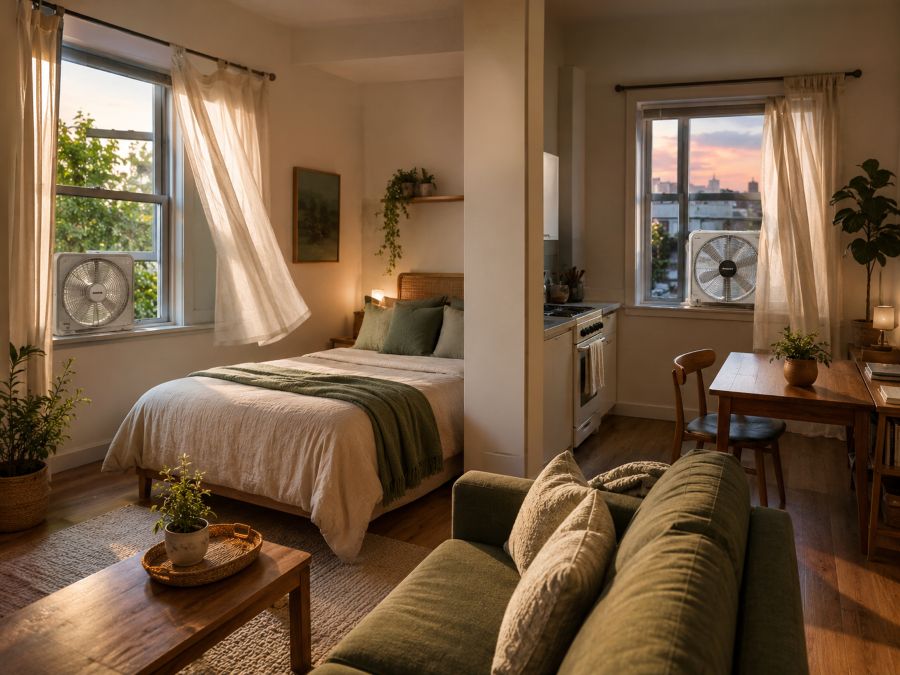
Once evening arrives and outdoor air cools down, set up two fans: one in the window on the shadier or cooler side of your home, facing inward to pull fresh air in, and one in a window on the opposite or warmer side, facing outward to push hot air out. If your unit has windows on only one wall, place the intake fan at the window and the exhaust fan pointing out your entry door toward a hallway window, or angle a second fan to drive airflow along the path between openings. Even a bathroom exhaust fan left running can serve as the “pull” half of the system.
Fan Tricks That Actually Work
- Elevate and angle: Heat stratifies, with the warmest air near the ceiling. Angling a pedestal fan slightly upward in the evening helps mix and expel that trapped upper layer.
- The ice-bowl breeze: Position a shallow bowl of ice or frozen water bottles in front of a fan for a temporary stream of chilled air — perfect for the hour before bed.
- Ceiling fan direction: If you have one, set it to spin counterclockwise in summer so it pushes air straight down over you.
- Keep blades clean: Dust buildup measurably reduces airflow. A five-minute wipe-down restores full performance and improves the air you breathe.
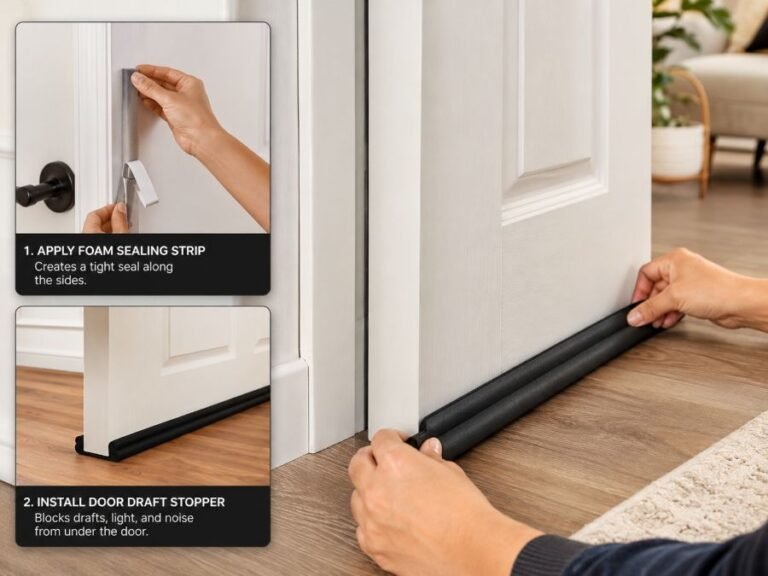
Smart Small Space Tip: Interior doors matter more than people think. Leaving doors open between rooms lets air complete a circuit through your home; a closed bedroom door can stop cross-ventilation dead. If privacy is a concern at night, prop the door open just a few inches — even that small gap keeps the breeze pathway alive.
Shrink Your Indoor Heat Sources
Every watt of electricity your home consumes eventually becomes heat. In a generous house this barely registers; in a few hundred square feet, it is the difference between comfortable and oppressive. Auditing your internal heat load is one of the most overlooked cooling strategies — and it usually lowers your utility bill at the same time, which makes it a genuine wellness win on two fronts.
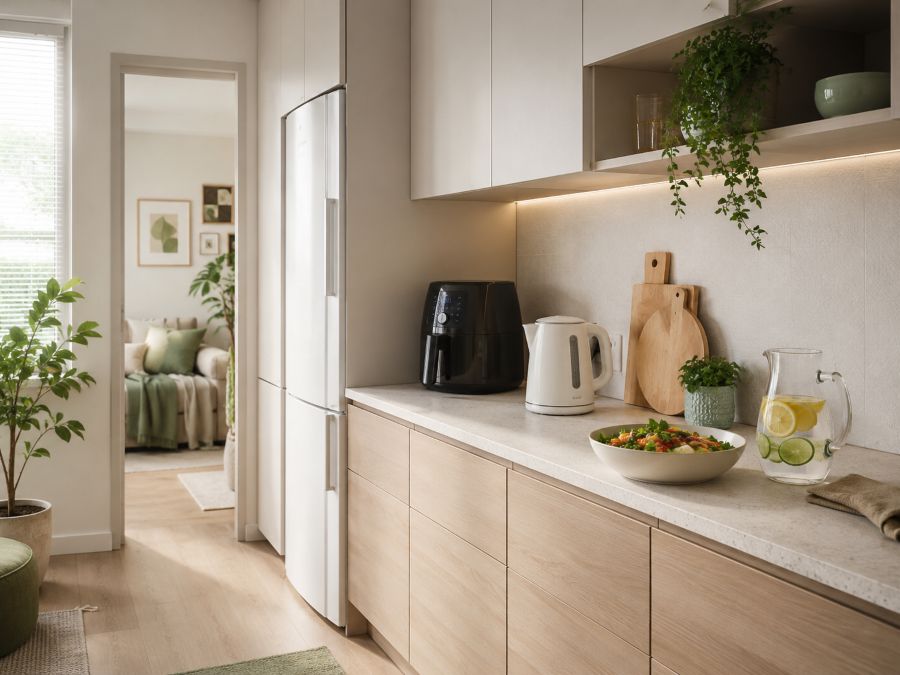
The kitchen is the biggest offender. Using an oven on a summer afternoon can raise the temperature of a compact unit for hours. Shift toward no-cook meals, or lean on appliances that produce a fraction of the heat: a microwave, an air fryer, a rice cooker, or an electric kettle. Better yet, batch-cook in the cool early morning or after sunset, and embrace the season’s natural menu of salads, cold noodle dishes, and chilled soups. Your dinner habits become part of your cooling system.
Lighting and electronics come next. Swap any remaining incandescent or halogen bulbs for LEDs, which convert far more energy into light instead of heat. Unplug chargers and devices you are not using, since standby power still generates warmth. Run the dishwasher and laundry at night, and let dishes air-dry instead of using the heated dry cycle. None of these moves is dramatic alone, but combined they can remove a constant trickle of heat that your fans would otherwise have to fight all day long.
Cool the Body, Not Just the Room
Here is the wellness reframe that changes everything: your goal is not a particular number on a thermometer — it is your own comfort. The human body sheds heat through evaporation, conduction, and radiation, and you can support all three directly even when the ambient temperature refuses to budge.
Hydration leads the list. When you are well-hydrated, your body sweats efficiently, and sweat is your built-in evaporative cooling system. Keep a pitcher of cold water with mint, cucumber, or citrus in the fridge so reaching for it feels like a treat rather than a chore. A cool — not ice-cold — shower before bed lowers your core temperature without triggering the rebound warming that an extremely cold shower can cause. During the day, running cold water over your wrists for thirty seconds, or resting a damp cloth on the back of your neck, targets pulse points where blood flows close to the skin and spreads the cooling effect through your whole body.
What you wear at home matters too. Loose, light-colored clothing in natural fibers such as cotton and linen lets air circulate against your skin and wicks moisture away. Going barefoot on tile or hardwood conducts heat out of your body through your feet — one reason summer instinctively pulls us away from rugs and toward bare floors.
Bedding and Textiles That Sleep Cool
Hot nights are where the lack of air conditioning hurts most, because elevated temperatures fragment deep sleep and leave you drained the next day. Fortunately, your sleep setup is fully within your control, and a few targeted swaps deliver outsized results.
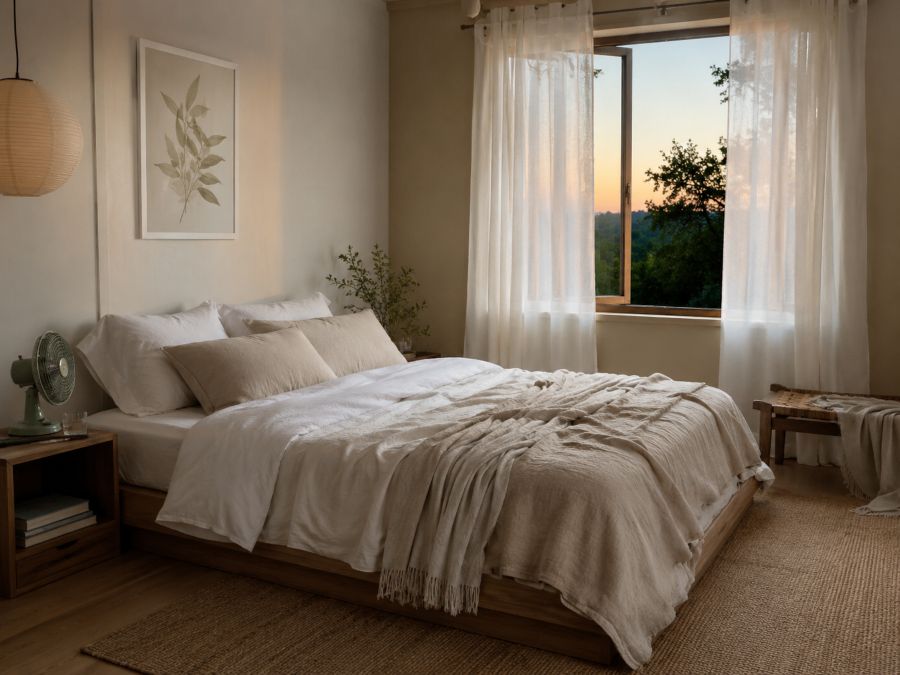
Start with the sheets. Linen is the gold standard for hot weather: its hollow fibers wick moisture and release heat faster than almost any other textile, and it actually softens with every wash. Percale cotton is the budget-friendly runner-up, with a crisp, matte weave that feels cool against the skin — unlike sateen, which traps warmth. Avoid polyester and microfiber entirely during summer, since synthetic fibers hold heat and moisture against your body.
Beyond fabric choice, think vertically. Because warm air rises, sleeping closer to the floor places you in the coolest layer of the room; if your bed sits high, even a temporary summer switch to a floor-level mattress arrangement can noticeably improve comfort. Swap heavy duvets for a single light blanket or just a flat sheet, store wool throws away until autumn, and consider rotating in a buckwheat or gel-infused pillow, both of which resist the heat buildup that ordinary foam pillows are notorious for.
Plants, Humidity, and the Feel of Cool
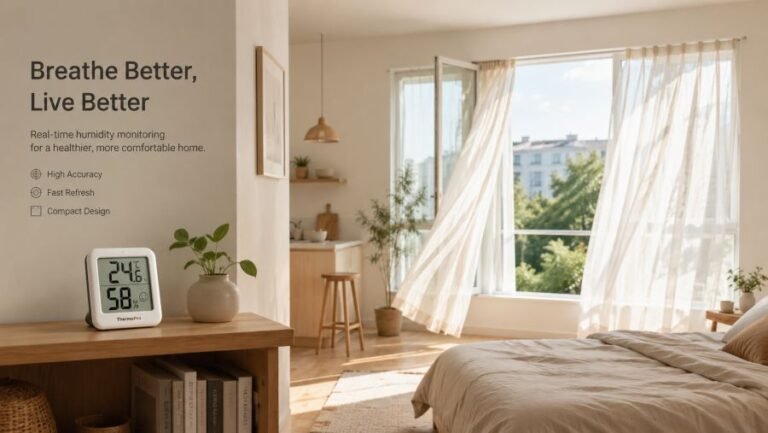
Perceived temperature is not only about degrees — humidity plays an equally large role. Muggy air prevents sweat from evaporating, which is why 28°C in a humid climate feels far worse than 32°C in a dry one. If your region runs humid, a compact dehumidifier can make your home feel several degrees cooler without lowering the actual temperature at all, and it protects textiles and walls from summer mildew as a bonus. In dry climates, the logic flips: a bowl of water near a breeze, or an evaporative cooler, adds welcome moisture while genuinely chilling the air.
Greenery contributes more than aesthetics here. Through transpiration, plants release moisture and create subtle micro-cooling around windows and seating areas, while broad-leafed varieties placed on a sunny sill act as living shade. Areca palms, rubber plants, snake plants, and pothos all tolerate summer conditions well and double as natural air fresheners. A line of leafy pots along your hottest window is shade, decor, and wellness in a single move — exactly the kind of multitasking that thriving in fewer square meters is all about.
Comparing Your Cooling Options at a Glance
Not every strategy fits every budget, lease, or climate. The table below summarizes the main approaches covered in this guide so you can build the combination that suits your situation best.
| Cooling Strategy | Upfront Cost | Effectiveness | Best For |
|---|---|---|---|
| Morning/evening window rhythm | Free | High | Every home, every climate |
| Thermal blackout curtains | Low | High | Sun-facing windows |
| Reflective window film | Low | Medium–High | Renters with intense afternoon sun |
| Push–pull window fans | Low–Medium | High (evenings) | Units with two or more openings |
| Reducing appliance heat | Free | Medium | Studios with open kitchens |
| Cooling bedding (linen/percale) | Medium | High (for sleep) | Anyone struggling with hot nights |
| Dehumidifier | Medium | High in humid climates | Muggy coastal regions |
| Evaporative cooler | Medium | High in dry climates | Arid regions only |
| Portable AC unit | High | Very high | Extreme heat, any climate |
Smart Small Space Tip: If you eventually invest in a portable AC, size it to your actual square footage rather than buying the biggest unit available. An oversized machine short-cycles — cooling the air quickly without removing humidity — leaving the room cold yet clammy. A correctly sized unit runs longer, dries the air properly, and uses less electricity overall.
Build Your Personal Summer Routine
Individually, each tactic in this guide buys you a degree or two of relief. Stacked together into a daily rhythm, they transform how your home feels. A realistic summer day might look like this: windows open wide at 6 a.m. to flush in cool air; everything sealed and curtains drawn by 9 a.m.; lights off and laptop unplugged when not needed; a cold lunch instead of a cooked one; wrists under cold water during the afternoon peak; windows and the push–pull fan system reopened at sunset; a lukewarm shower at 9 p.m.; and lights out under a single linen sheet with a gentle cross-breeze moving through the room.
Notice that almost nothing on that list costs money. Beating the heat in a cozy urban dwelling is less about equipment and more about working with the daily temperature cycle instead of against it. Within a week, the routine becomes automatic — and your home becomes the cool refuge your neighbors wonder about.
FAQ: Cooling a Compact Home Without Central Air
What is the fastest way to cool a compact apartment without AC?
The fastest method is combining cross-ventilation with smart fan placement. Open windows on opposite sides of your unit after sunset, place one fan facing inward at the cooler window and another facing outward at the warmer window, and you can drop indoor temperatures by several degrees within an hour.
Do blackout curtains really help keep a home cool in summer?
Yes. Studies on window coverings show that closed blackout curtains or thermal drapes can reduce solar heat gain through windows significantly, especially on sun-facing glass. Light-colored, thermally lined curtains reflect heat instead of absorbing it, keeping interior temperatures noticeably lower throughout the day.
Is a portable AC or an evaporative cooler better for a studio?
It depends on your climate. Evaporative (swamp) coolers work brilliantly in hot, dry regions and use far less electricity, but they add humidity and lose effectiveness in muggy weather. A portable AC works in any climate but costs more to buy and run. In humid areas, a portable AC paired with good fan circulation is the more reliable choice.
How can I sleep comfortably on hot nights without air conditioning?
Switch to breathable bedding such as linen or percale cotton, lower your sleeping surface if possible since heat rises, take a lukewarm shower before bed, and run a fan with a cross-breeze from an open window. Chilling your pillowcase or a hot water bottle filled with cold water for fifteen minutes before bedtime also helps your body settle into sleep.
Final Thoughts: Comfort Is a System, Not a Gadget
Living well in fewer square meters has always been about intentionality, and summer comfort is no exception. Block the sun before it reaches your glass, flush heat out with a deliberate fan strategy each evening, starve the room of internal heat sources, and give your body the textiles, hydration, and routines it needs to regulate itself. Each layer reinforces the next, and together they prove a point worth remembering: a cool, restful home in the height of summer is not a luxury reserved for buildings with central air — it is a skill, and now it is yours.
ADeL A.A
ADeL A.A is a home décor and space optimization writer who believes every square foot matters. He spends his time researching, testing, and comparing smart storage ideas, multi-functional furniture, and practical layout solutions — always searching for the best ways to make compact homes feel bigger, brighter, and better organized.
View all articles by ADeL A.A →