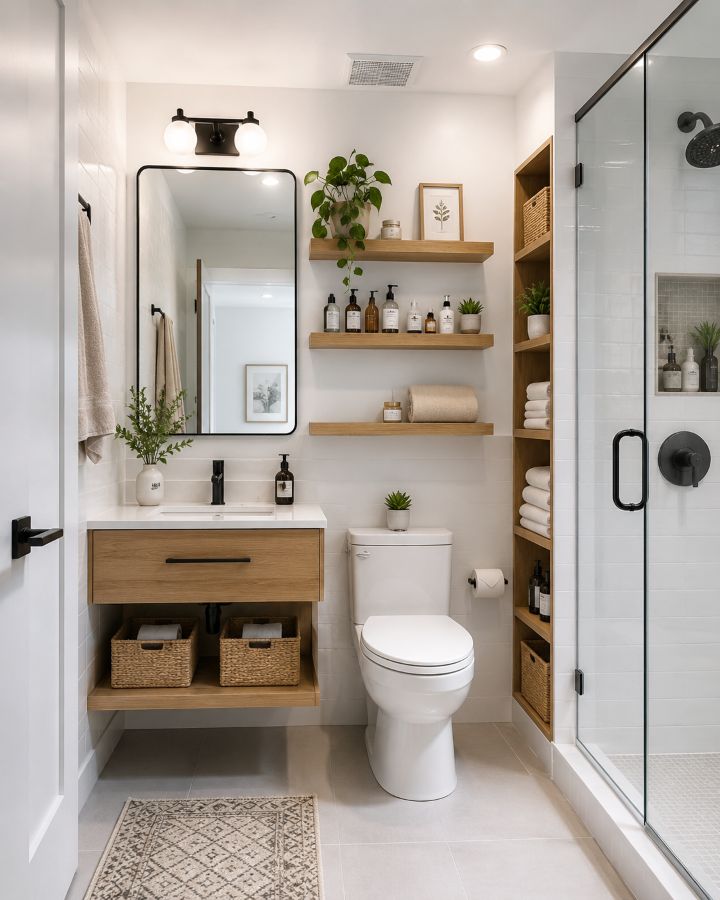
Under-Sink Bathroom Storage Ideas for Small Spaces

The under-sink area of your bathroom is often one of the most underutilized storage spaces, yet it holds tremendous potential for organizing essentials in small bathrooms. Between cleaning supplies, toiletries, medications, and personal care items, this cabinet can quickly become chaotic if not properly organized. The challenge intensifies when you’re working with limited square footage, where every inch of storage matters.
In this comprehensive guide, we’ll explore proven under-sink bathroom storage ideas designed specifically for small spaces. You’ll discover creative solutions that maximize vertical space, keep items accessible, and maintain a clean, organized appearance. Whether you’re dealing with a powder room, a guest bathroom, or a master bathroom in a compact home, these strategies will help you transform that cluttered under-sink area into a functional, well-organized storage zone.
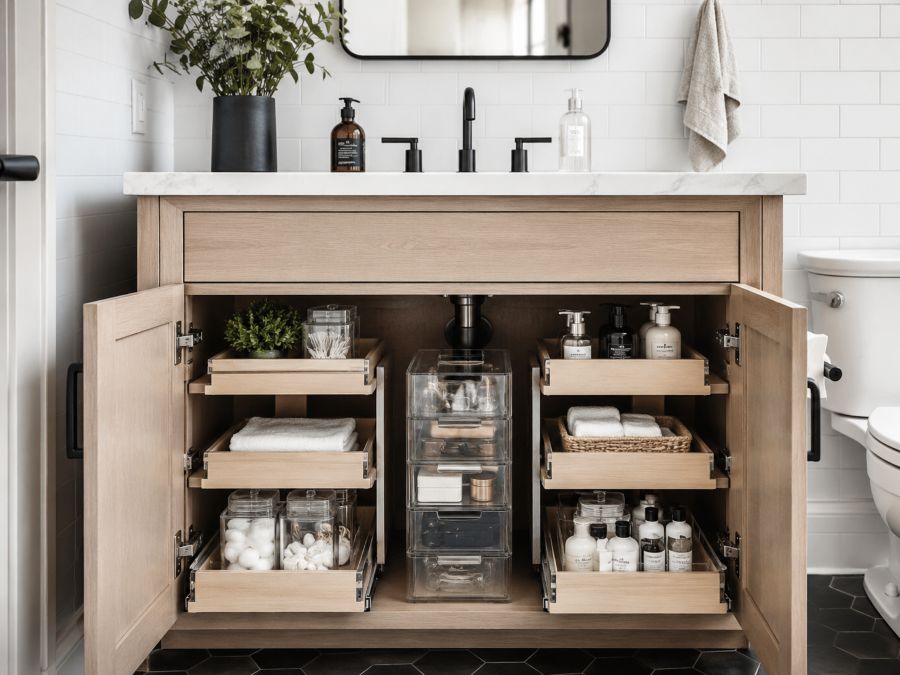
The space beneath your bathroom sink is prime real estate for storage, but many people simply toss items randomly into the cabinet and close the door. This approach leads to wasted space, difficulty finding what you need, and potential water damage to your belongings. By implementing strategic organizing solutions, you can create a system that works efficiently and looks great. The key is selecting products and strategies that fit your specific cabinet dimensions and storage needs.
Assess Your Current Under-Sink Setup
Before investing in any organizing products, take time to evaluate your existing under-sink cabinet. Open the doors and examine what you have. Is there plumbing that takes up space? How much vertical clearance do you have? Are there any moisture issues or potential leaks? Understanding these factors will help you choose storage solutions that actually work in your space. Remove everything from under the sink and sort items into categories: daily essentials, occasional use items, and things you no longer need.
Many small bathroom cabinets have pipes running through them, which limits your storage options. Measure around the pipes and note their position. Some storage solutions are specifically designed to accommodate plumbing, while others require you to work around it creatively. Take photos of your under-sink setup with measurements to reference when shopping for organizers. This preparation step ensures you won’t waste money on items that don’t fit or don’t meet your needs.
Vertical Storage Solutions for Maximum Capacity
When space is limited, thinking vertically is essential. The unused vertical space above your under-sink cabinet can dramatically increase storage capacity without taking up additional floor space. Installing adjustable shelves is one of the most effective ways to multiply your available storage. Over-the-cabinet door organizers work wonderfully too, utilizing the space on the inside of cabinet doors to store frequently used items like cleaning cloths, deodorant, or hair tools.
Pull-Out Shelves and Drawers
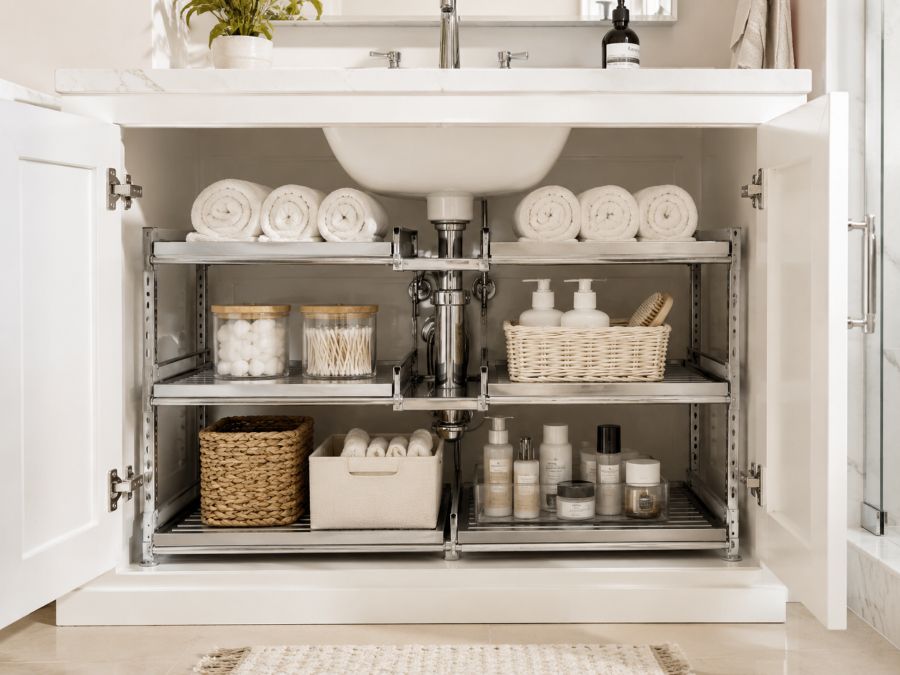
- Pull-out shelves provide easy access to items at the back of deep cabinets without reaching blindly or removing everything in front
- Sliding drawer organizers fit perfectly under sinks and allow you to compartmentalize different types of items
- Expandable shelves adjust to fit various cabinet heights and accommodate pipes without complicated installation
- Rolling baskets on casters make it simple to pull out entire sections for cleaning or retrieving items
The beauty of pull-out solutions is that they transform an awkward, deep cabinet into accessible storage. You no longer need to reach into the darkness or move multiple items to find something. Everything slides within arm’s reach. For small bathrooms where efficiency is paramount, this accessibility reduces frustration and encourages you to maintain your organization system long-term. Many pull-out organizers are adhesive-mounted or tension-installed, making them perfect for rental bathrooms where permanent modifications aren’t allowed.
Container and Bin Organization Systems
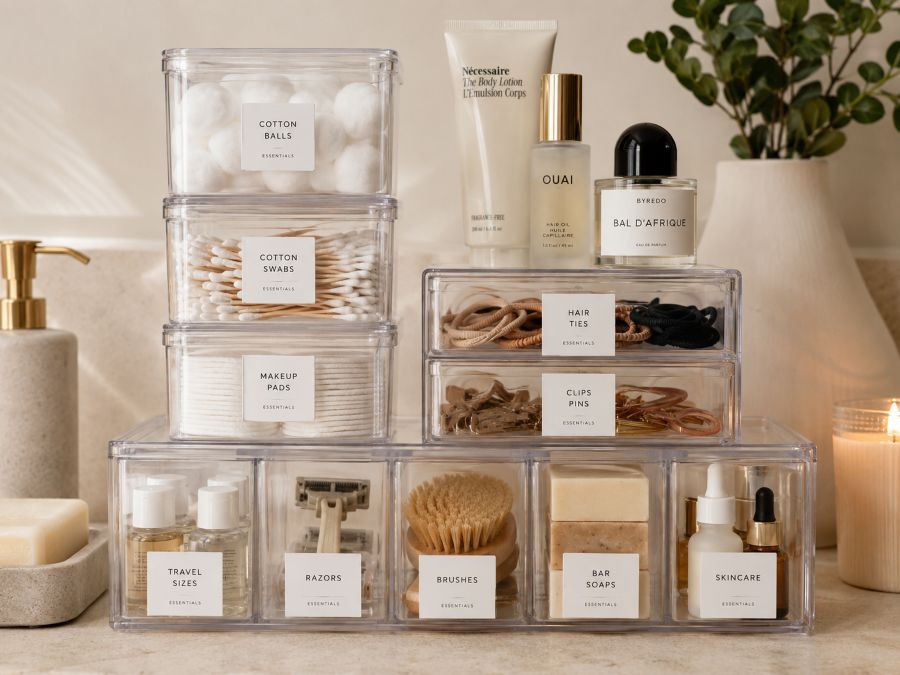
Selecting the right containers is fundamental to creating an organized under-sink area. Clear containers deserve special mention because they allow you to see contents at a glance without opening each one. This visibility is invaluable in small spaces where you need to maximize efficiency. Choose containers in various sizes to accommodate different items—tall containers for spray bottles, shorter ones for makeup or medications, and narrow ones for oddly-shaped cleaning tools.
Types of Containers That Work Well Under Sinks
Stackable plastic bins with handles work exceptionally well because you can maximize vertical space and easily pull out entire containers. Drawer dividers transform loose items into categorized sections—perfect for makeup, hair products, or nail care items. Tension rods installed horizontally can hold spray bottles upright, preventing them from tipping over or wasting space. Hanging baskets that attach to shelves utilize depth while keeping items visible and accessible. Magazine holders repurposed as vertical dividers work surprisingly well for organizing hand towels, washcloths, or cleaning supplies.
When choosing containers, consider moisture resistance. Bathrooms are humid environments, and under-sink areas are particularly prone to condensation. Plastic containers with lids protect contents better than open baskets. Avoid cardboard boxes or untreated wood, which deteriorate quickly in humid conditions. Stainless steel or coated wire baskets offer stylish alternatives to plastic while resisting moisture damage. Label each container clearly so every household member knows where items belong and can maintain the system.
Decluttering and Removing Unnecessary Items
One of the most impactful strategies for improving under-sink storage is removing items you don’t actually use. Small bathrooms demand that every stored item earn its place. Go through your collection and ask yourself: When was the last time I used this? Do I have duplicates of this item? Is this expired? Most people accumulate far more cleaning supplies and toiletries than they realistically need. Travel-size products, expired medications, and duplicate tools all waste valuable space.
Create a donation pile for items in good condition that you simply don’t use. Expired products should go to appropriate disposal facilities—never pour chemicals down the drain or throw medications in regular trash. Old washcloths and towels can become cleaning rags. Broken tools should be discarded. This purging process, though it takes time upfront, creates space for the items you actually use daily. In small bathrooms, this mental shift from “keeping everything just in case” to “storing only what I truly need” transforms how your space functions.
Utilizing Frequently Overlooked Storage Areas
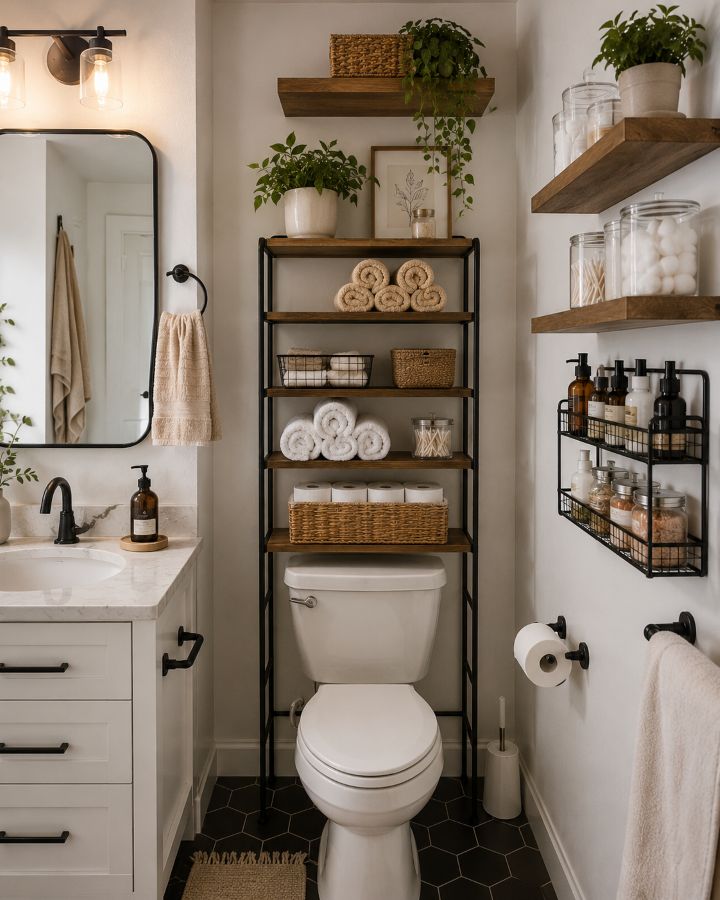
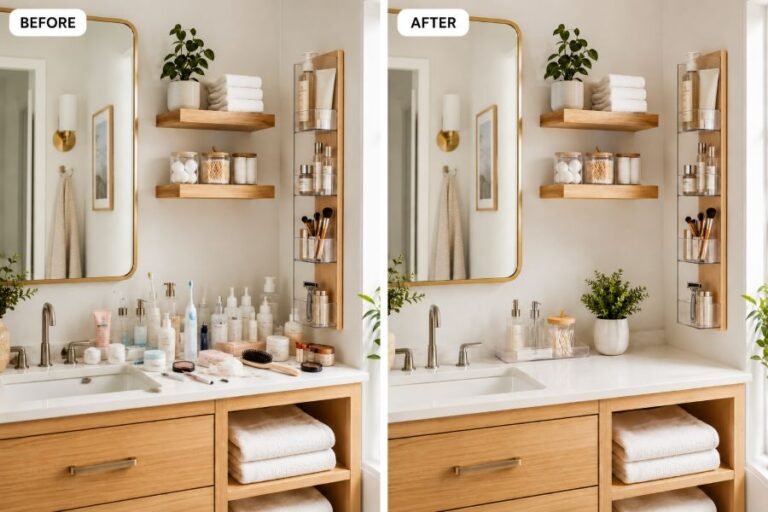
Beyond the interior of the cabinet, several often-overlooked areas can expand your storage potential. The inside of cabinet doors provides excellent real estate for organizing smaller items. Adhesive hooks can hold hair dryers, straighteners, or cleaning tools. Over-the-door organizers with pockets accommodate bottles, tubes, and small containers. The walls adjacent to your bathroom sink might have space for narrow shelves or floating storage that doesn’t interfere with cabinet doors. Under-sink areas sometimes have floor space to the side of the cabinet where you could place a slim rolling cart.
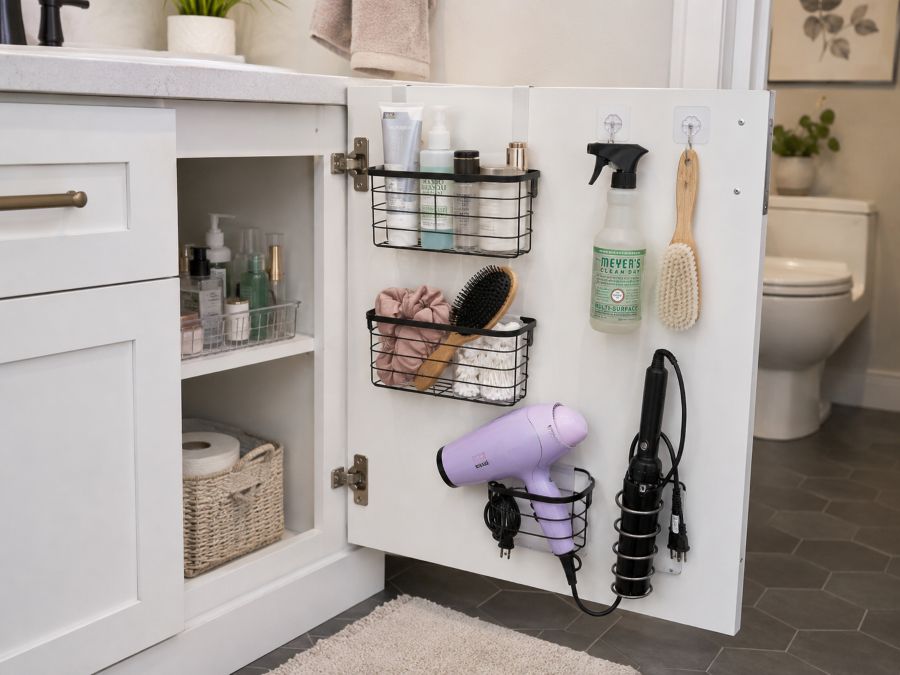
Don’t forget about the exterior of the cabinet doors themselves. On the underside of the sink counter, you might attach tension rods to hold cleaning supplies or spray bottles. Wall-mounted magnetic strips work wonderfully for storing metal tools. Corner spaces are often wasted; consider corner-specific organizers designed to utilize these awkward areas. Toe-kick spaces above the floor baseboards can accommodate low-profile storage bins. Every square inch of your small bathroom has potential if you think creatively.
Moisture Management and Water Damage Prevention
Bathroom sinks are prone to leaks, condensation, and splashing water. Your storage system must account for these moisture challenges. Always elevate stored items above the sink basin using shelves or organizers. Never place items directly on the cabinet floor where standing water could accumulate. Check your plumbing regularly for leaks and address any issues immediately. Small drips that go unnoticed can saturate stored items and create mold or mildew problems.
Moisture-absorbing products like activated charcoal, baking soda, or commercial moisture absorbers help keep the environment drier. Place these in corners of your cabinet, changing them regularly to maintain effectiveness. Ensure adequate ventilation by running your bathroom exhaust fan during showers and for 20-30 minutes afterward. Good ventilation reduces overall humidity, protecting your entire storage area. Consider placing waterproof shelf liner on wooden shelves to prevent water penetration. Regularly inspect your storage containers and organize items to ensure nothing sits stagnant in damp conditions.
Smart Small Space Tip: Keep a small dish with baking soda under your sink year-round to absorb moisture and odors. Replace it monthly for best results. This inexpensive solution prevents mold growth and keeps your cabinet smelling fresh without chemical deodorizers.
Organizing Specific Item Categories
Different types of items require different organizational approaches. Grouping items by category and assigning each category a specific location makes it easy to find what you need and maintain your system. Toiletries like toothpaste, mouthwash, and floss work well in small drawer organizers. Hair care products fit nicely in clear containers or hanging baskets. Cleaning supplies benefit from categorization—surface cleaners in one container, scrubbing tools in another, and specialty products grouped by type. First aid items and medications should be in a dedicated container, easily accessible but away from reach of children.
| Item Category | Best Storage Solution | Location in Cabinet |
|---|---|---|
| Daily Toiletries | Small drawer organizer or container | Front-center for easy access |
| Hair Care Products | Clear stackable containers or hanging baskets | Middle shelf, visible for selection |
| Cleaning Supplies | Caddy organizer or divided container | Lower shelf or back area |
| Medications & First Aid | Labeled container with lid | Upper shelf, secure and away from moisture |
| Towels & Washcloths | Decorative basket or rolled storage | Top shelf or separate area if space permits |
| Miscellaneous Small Items | Drawer dividers or small bins | Side shelves using vertical space |
Maintenance and Long-Term Organization
Creating an organized under-sink storage system is one thing; maintaining it is another. Establish a simple maintenance routine to keep everything in order. Once monthly, take a few minutes to review what’s under your sink. Check expiration dates on medications and cleaning products. Return items to their designated spots if anything has migrated. Wipe down shelves and containers if you notice any moisture accumulation. This quick maintenance prevents your system from devolving back into chaos.
Label everything clearly using permanent markers on containers or adhesive labels. Include the contents of each container and, for medications and cleaning products, the date of purchase or expiration. This labeling system ensures everyone in your household knows where things belong and can maintain your organization. Create a simple inventory list of what’s stored where, especially for first aid items and medications. This reference guide is incredibly helpful when you need something in a pinch. Seasonal adjustments might be necessary too—storing sunscreen in summer or heavier moisturizers in winter might require shuffling items slightly.
Budget-Friendly Organization Solutions
You don’t need to spend a fortune creating an organized under-sink area. Many inexpensive household items can be repurposed into effective organizers. Empty coffee containers with lids make excellent storage for hair products or makeup brushes. Old ice cube trays work wonderfully as drawer dividers for small items like bobby pins, hair ties, or safety pins. Empty glass jars clean and declutter visually while allowing you to see contents. Tension rods cost just a few dollars but create instant vertical storage for hanging containers or spray bottles. Paper towel holders can store cleaning cloths or towels vertically to save space.
Dollar stores and discount retailers offer affordable organizers that don’t require a significant investment. Plastic baskets, containers, and drawer dividers are often inexpensive and come in various sizes to suit your needs. Measure your cabinet before shopping so you can select appropriately-sized organizers. Sometimes the most expensive products aren’t necessary; simple, inexpensive solutions often work just as well. Focus on products that solve your specific organizational challenges rather than buying everything available. A thoughtful selection of affordable organizers beats a cabinet full of expensive, unused organizing tools.
FAQ: Under-Sink Bathroom Storage
How can I maximize under-sink storage in a small bathroom?
Maximize storage by installing adjustable shelves to use vertical space, adding pull-out organizers for better accessibility, using clear containers for visibility, and removing items you don’t regularly use. Over-the-cabinet door organizers also provide excellent additional storage without taking up interior space. The key is utilizing height and depth while keeping moisture in mind.
What are the best containers for under-sink storage?
Clear plastic containers with lids work best because they’re moisture-resistant, allow you to see contents, and stack efficiently. Drawer dividers help organize small items like makeup or hair accessories. Tension rods are excellent for keeping spray bottles upright. Choose a variety of sizes to accommodate different item types. Avoid cardboard or uncoated materials that deteriorate in humid environments.
Should I use shelves under the bathroom sink?
Yes, absolutely. Adjustable shelves dramatically increase storage capacity in the vertical space above your under-sink cabinet. Tension-installed shelves work well for rental bathrooms. Tiered organizers offer similar benefits without permanent installation. Shelves transform an awkward single-level cabinet into multiple storage tiers, easily doubling or tripling your available space.
How do I protect items under the sink from water damage?
Keep all items elevated on shelves, away from the sink basin where standing water could accumulate. Check for leaks regularly and fix any plumbing issues immediately. Use moisture-absorbing products in the cabinet. Store vulnerable items in waterproof containers with lids. Ensure good bathroom ventilation to reduce overall humidity. Place waterproof shelf liner on wooden shelves.
Transform Your Under-Sink Space Today
The under-sink area of your bathroom holds tremendous organizational potential, especially when you’re working with limited space. By implementing the strategies outlined in this guide—assessing your current setup, using vertical storage solutions, selecting appropriate containers, removing unnecessary items, and maintaining your system—you can transform a chaotic cabinet into an organized, functional storage zone. Remember that organization isn’t about perfection; it’s about creating a system that works for your lifestyle and needs. What matters most is that every item has a designated home and that you can find what you need quickly. Start with one or two organizing solutions, see how they work in your space, and expand from there. Your small bathroom will feel more spacious and functional when under-sink storage is optimized.
ADeL A.A
ADeL A.A is a home décor and space optimization writer who believes every square foot matters. He spends his time researching, testing, and comparing smart storage ideas, multi-functional furniture, and practical layout solutions — always searching for the best ways to make compact homes feel bigger, brighter, and better organized.
View all articles by ADeL A.A →