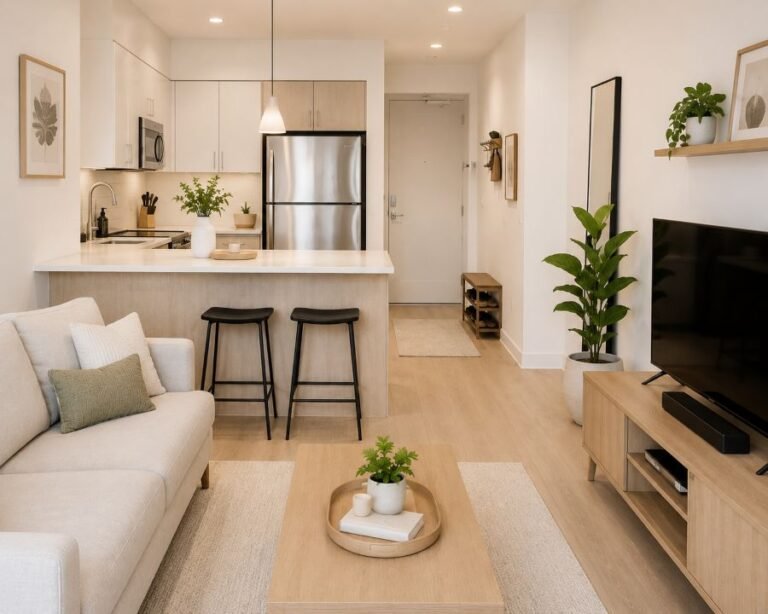
Small Home Decluttering Checklist for Beginners

Living in a small space means every square inch counts. When clutter accumulates, even modest homes feel cramped, chaotic, and overwhelming. If you’re feeling buried under belongings and unsure where to start, you’re not alone. The good news? Decluttering doesn’t have to be daunting. With a systematic checklist and the right mindset, you can transform your small home into an organized, spacious sanctuary that actually feels bigger.
This comprehensive guide provides a step-by-step decluttering checklist designed specifically for small spaces. Whether you’re tackling one corner or your entire home, this approach will help you make intentional decisions about what stays and what goes, maximizing both functionality and peace of mind.
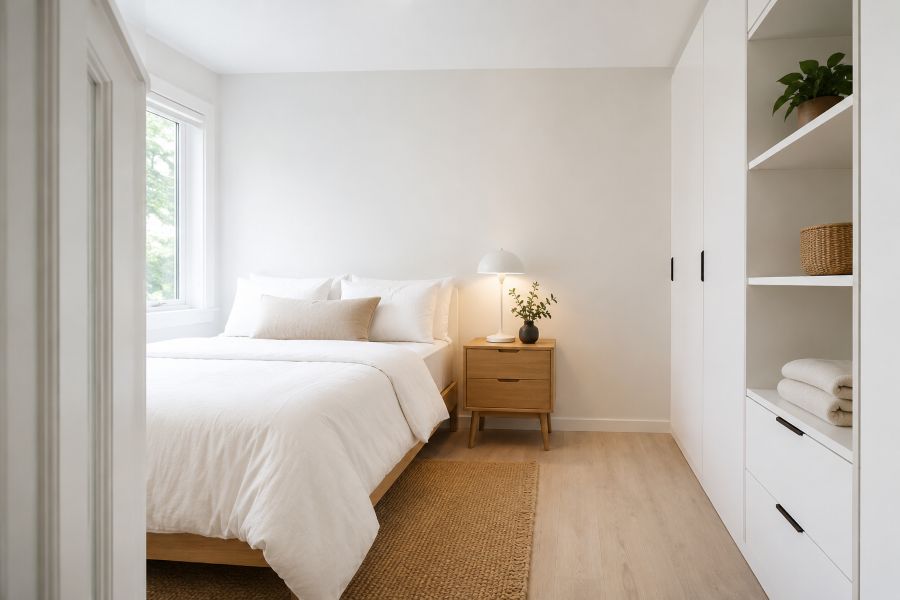
Why Decluttering Small Homes Is Essential
In small spaces, clutter isn’t just an aesthetic issue—it’s a lifestyle problem. Every item you own takes up valuable real estate in your home. When you live with limited square footage, the psychological weight of excess possessions multiplies. Studies show that clutter increases stress, reduces focus, and creates a constant visual distraction that exhausts the mind. For small space dwellers, decluttering is an investment in mental health, functionality, and genuine livability. Beyond the emotional benefits, decluttering makes it possible to implement proper organization systems. You can’t effectively organize what you don’t need, so elimination must come first.
Understanding Your Starting Point
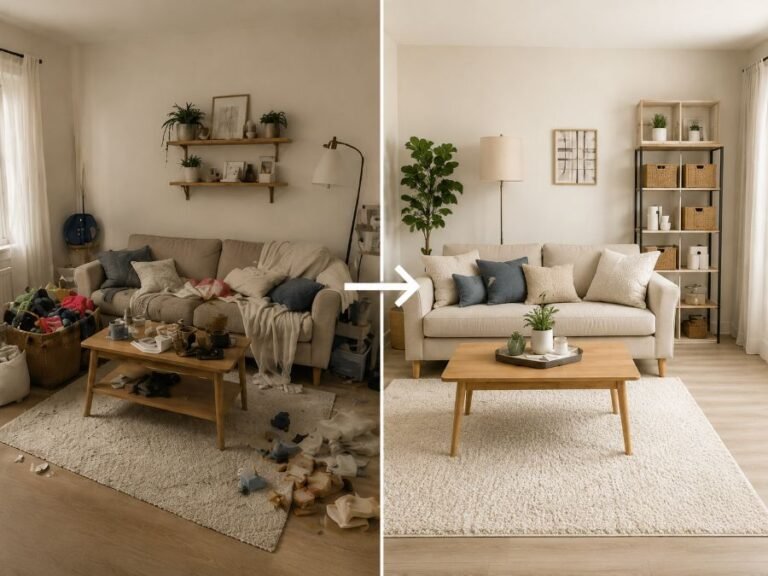
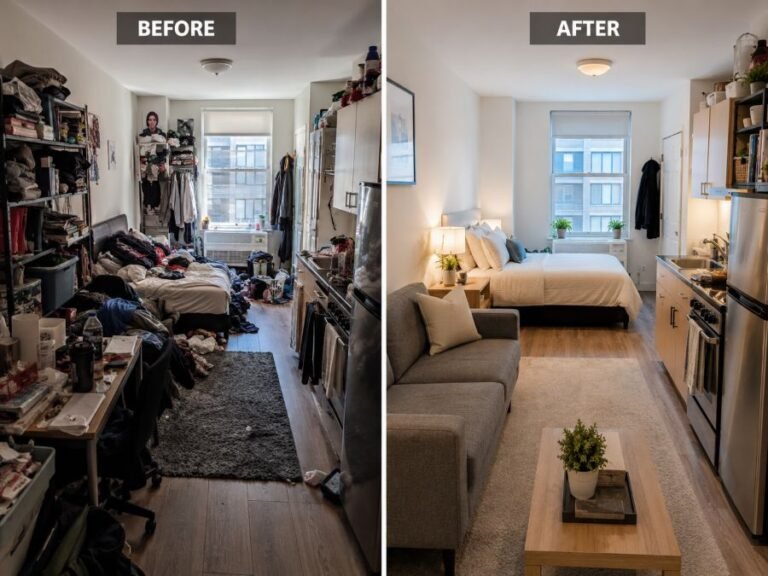
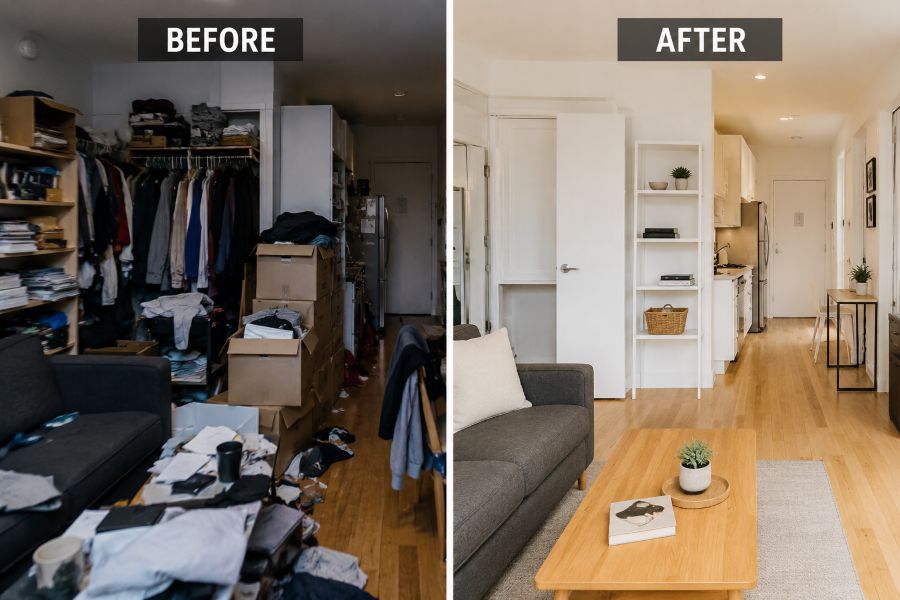
Before diving into the checklist, assess your current situation. Take honest inventory of your clutter level and identify your primary pain points. Are overflowing closets your main issue? Do kitchen cabinets frustrate you daily? Is your bedroom a catch-all for miscellaneous items? Understanding where the problems concentrate helps you prioritize your decluttering efforts. Create a simple baseline by taking photos of your space before you begin. This visual record serves two purposes: it documents your starting point and provides powerful motivation when you see the transformation your efforts create. Begin with areas that will have the highest impact on daily life, as early wins boost momentum and motivation.
The Ultimate Small Space Decluttering Checklist
Phase 1: Preparation (Week 1)
- Gather supplies: Prepare boxes or bags labeled “Keep,” “Donate,” “Sell,” “Recycle,” and “Trash.” Having distinct categories prevents decision paralysis.
- Set realistic goals: Commit to specific timeframes and room priorities. Trying to declutter everything simultaneously leads to burnout.
- Create a timeline: Assign specific weeks to specific rooms. A realistic pace is one room per week.
- Clear workspace: Set up a staging area for sorting items. Ideally this is an out-of-the-way space like a hallway or unused corner.
- Establish decision rules: Decide in advance what you’ll keep: items you use regularly, items that bring joy, items with genuine sentimental value, and items that serve functional purposes you actually need.
- Take before photos: Document your starting state for each room as visual reference and motivation.
Smart Small Space Tip: Set a timer for 25-minute work sessions (Pomodoro technique) rather than marathon decluttering sessions. Focused, shorter bursts prevent decision fatigue and actually accomplish more than exhausting yourself for hours.
Phase 2: Room-by-Room Breakdown
Bedroom Decluttering Checklist
- Sort through clothing and keep only items that fit well and make you feel confident
- Eliminate duplicate items: multiple phone chargers, excess pillows, redundant nightstands
- Evaluate furniture for dual functionality: choose beds with storage, nightstands with drawers
- Clear nightstands and dressers completely; keep only essential items and one decorative piece
- Remove exercise equipment you don’t use or books you’ll never reread
- Assess wall decorations and keep only what creates a cohesive, calming environment
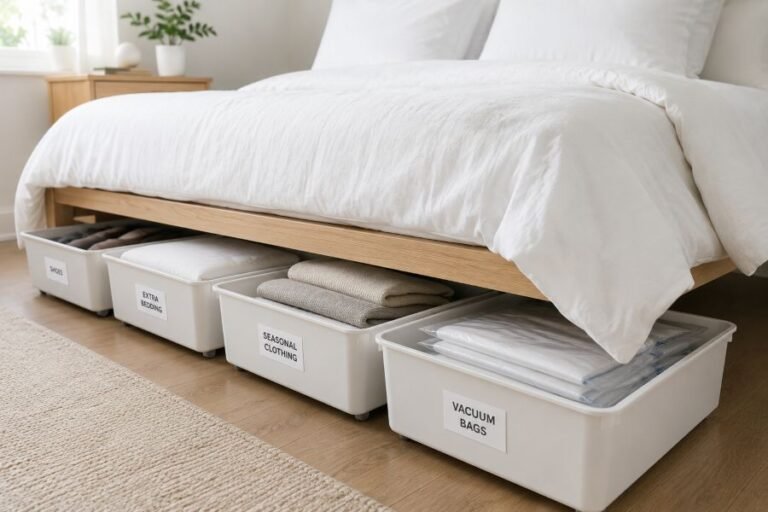
- Purge under-bed storage of forgotten, unused items
Kitchen & Dining Area Checklist
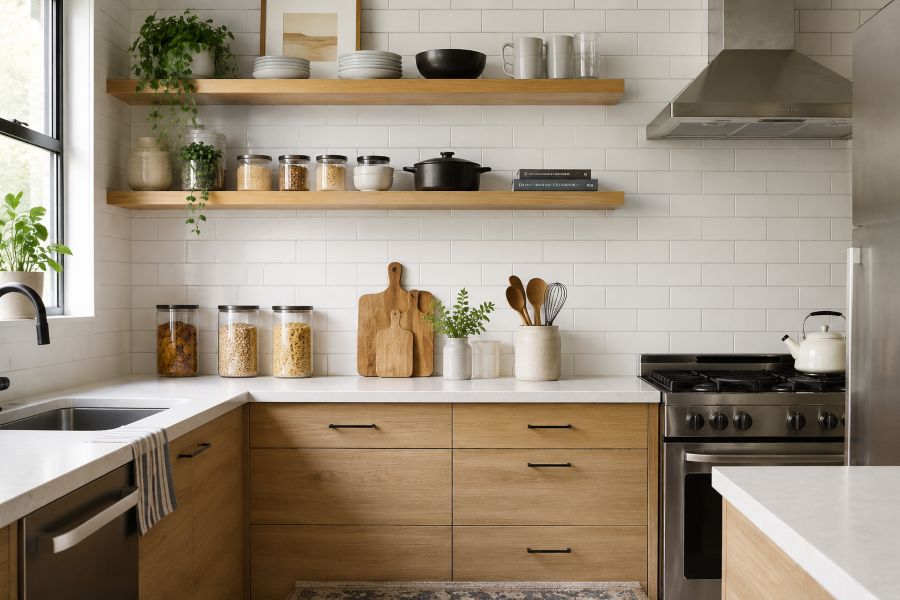
- Remove duplicate utensils, gadgets, and cookware you don’t regularly use
- Evaluate pots, pans, and baking dishes—keep only what matches your actual cooking habits
- Sort through food storage containers and eliminate those without matching lids
- Remove single-purpose kitchen gadgets that don’t earn their storage space
- Declutter drawers of expired takeout menus, broken utensils, and orphaned items
- Assess spices and seasonings; discard expired products
- Purge kitchen textiles (dishtowels, aprons) beyond what you regularly rotate through
- Eliminate excess dinnerware unless you frequently entertain
Bathroom Decluttering Checklist
- Discard expired medications, supplements, and skincare products
- Eliminate duplicate toiletries and products you’ve already replaced
- Remove hair styling tools you don’t actually use
- Sort through cosmetics and eliminate anything older than six months
- Evaluate cleaning products and keep only what you actively use
- Purge excess towels, washcloths, and bath mats—keep one set in rotation plus one backup
- Remove decorative items that collect dust rather than add genuine beauty
Living Room Decluttering Checklist
- Assess furniture for actual utility and aesthetic appeal; remove oversized or unused pieces
- Sort through books and magazines; keep only those you’ll genuinely reread
- Evaluate decorative objects and keep only those that spark joy or serve a purpose
- Remove electronics that no longer function or that you’ve replaced
- Purge media collections (DVDs, CDs) you never actually watch or listen to
- Declutter entertainment center and media storage
- Assess throw pillows and blankets; limit quantity to what looks intentional rather than cluttered
Closets & Storage Areas Checklist
- Completely remove everything from closet shelving and start fresh
- Sort seasonal items and store only current-season clothes accessibly
- Eliminate clothing with stains, holes, or broken zippers
- Remove items you haven’t worn in a year
- Assess shoes and keep only those you actually wear
- Evaluate storage containers and keep only those you’re actively using
- Remove archived papers and documents you can safely discard
The Four-Box Decision Method
This classic decluttering technique works exceptionally well in small spaces where every decision carries weight. As you go through your belongings, place each item into one of four categories. The “Keep” box holds items you use regularly, love, or genuinely need. The “Donate” box contains items in good condition that no longer serve you but might benefit others. The “Sell” box holds items with resale value that warrant the effort to list them. The “Trash” box includes items broken beyond repair, stained, or otherwise unsuitable for donation. This method prevents decision paralysis by giving you clear categories rather than vague options. It also forces you to interact with each item intentionally, making you reckon with why you’ve been holding onto things that don’t serve your life.

Managing Sentimental Items
The greatest challenge in decluttering isn’t practical items—it’s emotional attachments. Sentimental belongings carry weight beyond their physical size. Clothes from a goal weight, gifts you didn’t choose, inherited items you feel obligated to keep, or mementos of past relationships often paralyze decluttering efforts. Rather than keeping entire collections, consider photographing sentimental items before letting them go. Create a digital scrapbook of meaningful objects. For irreplaceable sentimental pieces, give them intentional storage in a single small box rather than scattered throughout your home. Assign specific limits: keep five childhood treasures, not twenty. Designate one memory box per person or relationship. This honors emotional attachments while respecting the physical space constraints of small home living. Remember that keeping items out of guilt or obligation wastes valuable space and energy.
Creating Habits to Prevent Future Clutter
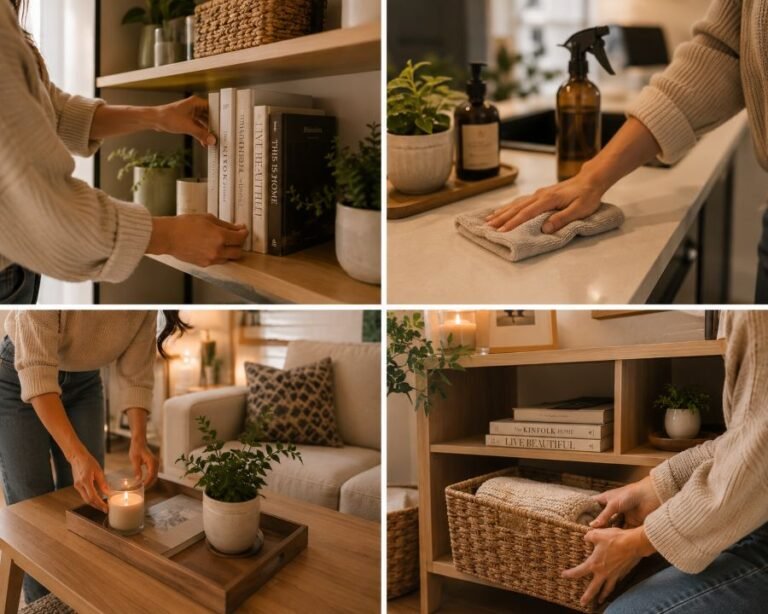
Decluttering isn’t one-time work; it’s an ongoing practice. Once you’ve cleared your small space, establish systems to prevent clutter from rebuilding. Implement the one-in-one-out rule: whenever you bring something new into your home, remove something old. Before purchasing anything, pause and ask whether it truly adds value or whether you’re buying to fill an emotional void. Schedule 15-minute weekly maintenance sessions to address items before they accumulate into major clutter problems. Create designated homes for everything so items don’t end up orphaned on counters and tables. Practice mindful consumption by being intentional about purchases rather than impulse-driven. Involve everyone in your household in these habits to maintain your decluttered space as a shared responsibility.
Smart Small Space Tip: Set a monthly “clutter audit” reminder. Spend 20 minutes assessing whether new clutter has emerged and addressing it immediately. Catching clutter early prevents it from spiraling.
Timeline and Realistic Expectations
Decluttering an entire small home typically takes 4-8 weeks depending on how much clutter you’re dealing with and how many hours weekly you can dedicate. A manageable pace for most people is one room per week, allocating 4-6 hours weekly to the process. Rushing through decluttering leads to poor decisions and burnout, so resist the urge to power through everything in a weekend. Conversely, stretching the process too long allows motivation to wane. Find your optimal pace—fast enough to maintain momentum, slow enough to make thoughtful decisions. Celebrate completion of each room. Take after photos. Notice how the space feels different. These small victories sustain motivation through the entire project.

Tools and Resources for Small Space Decluttering
Several tools streamline the decluttering process. Label makers help you mark boxes clearly and organize what remains. Shelving units maximize vertical storage once you’ve eliminated excess items. Clear storage containers let you see what’s inside without opening them. A simple checklist app or spreadsheet tracks your progress room-by-room. Local donation services like Goodwill or Salvation Army simplify the giving-away process. Online marketplace apps like Facebook Marketplace or Craigslist let you sell items quickly. A simple notebook for brainstorming storage solutions and documenting what you find helps you adjust your systems as you work.
Troubleshooting Common Decluttering Challenges
| Challenge | What’s Happening | Solution |
|---|---|---|
| Decision paralysis on every item | You’re overthinking each decision instead of trusting your instincts | Set a timer to spend only 30 seconds per item. If you don’t decide quickly, it probably doesn’t deserve to stay |
| Getting sidetracked organizing instead of decluttering | Organization feels productive while elimination feels uncomfortable | Force yourself to finish decluttering the entire space before introducing any new storage solutions |
| Guilt about unused gifts or purchases | You’re valuing the money spent over the space it consumes | Recognize that keeping an unwanted item doesn’t retroactively make the purchase worthwhile. It just wastes space |
| Overwhelm from the total volume of clutter | You’re looking at the entire project instead of one small area | Zoom in and tackle literally one drawer, shelf, or small corner. Finish that completely before moving on |
| Falling back into clutter habits | You haven’t established systems to prevent future accumulation | Create designated homes for everything. Practice one-in-one-out. Schedule weekly 15-minute maintenance |
FAQ: Small Home Decluttering
How long does it take to declutter a small home?
Most small homes can be fully decluttered in 4-8 weeks following a systematic approach. Dedicating 4-6 hours weekly typically allows you to complete one room per week. The exact timeline depends on your starting clutter level and available time.
What is the best decluttering method for small spaces?
The Four-Box method and KonMari method both work well for small spaces. The Four-Box method is faster and more straightforward, while KonMari encourages deeper reflection about what brings joy. Choose whichever method resonates with your personality and decision-making style.
Should I donate or sell my unwanted items?
Both are valid options. Donation is simpler and faster, clearing space quickly. Selling items generates income but requires time for listing and coordinating pickup. For a faster space transformation, donation typically provides more psychological benefit.
How do I prevent clutter from building up again?
Implement the one-in-one-out rule, practice mindful consumption, and schedule 15-minute weekly maintenance sessions. Create intentional homes for everything. Be selective about new purchases and involve everyone in your household in these habits.
What do I do with sentimental items I can’t let go of?
Photograph sentimental items before releasing them to create a digital record. Keep truly irreplaceable items in one designated memory box with size limits. Ask yourself if keeping items out of guilt is worth your limited space.
Your Small Space Decluttering Journey Begins Now
Decluttering a small home is simultaneously one of the most challenging and most rewarding projects you can undertake. Every item you eliminate literally makes your space larger and more livable. Every decision you make becomes easier as you get clearer about what truly belongs in your home. The checklist provided here gives you a starting framework, but remember that your decluttering journey is personal. Trust your instincts, move at a sustainable pace, and celebrate the transformation as it unfolds. You’re not just clearing physical clutter—you’re reclaiming your space, reducing stress, and creating an environment that genuinely supports your lifestyle. Start with one room, one shelf, or even one drawer this week. Small spaces demand intentional living, and this checklist equips you to create the calm, organized, spacious-feeling home you deserve.
ADeL A.A
ADeL A.A is a home décor and space optimization writer who believes every square foot matters. He spends his time researching, testing, and comparing smart storage ideas, multi-functional furniture, and practical layout solutions — always searching for the best ways to make compact homes feel bigger, brighter, and better organized.
View all articles by ADeL A.A →