How to Decorate a First Apartment on a Budget

Living in a first apartment doesn’t mean sacrificing style or comfort. Whether you’re a student, young professional, or downsizing by choice, decorating on a budget is entirely possible with the right approach and creative thinking. The key lies in being strategic about your purchases, maximizing existing space, and making every dollar count toward creating an environment you genuinely love.
In this comprehensive guide, we’ll explore proven strategies to transform your compact apartment into a beautiful, functional space without breaking the bank. From furniture selection to color psychology and smart storage solutions, you’ll discover practical tips that work regardless of your budget constraints.
Start with a Clear Vision and Budget Plan
Before you spend a single dollar on decorating, take time to develop a clear vision for your space. Walk through your apartment with fresh eyes and consider how you actually live in it. Do you work from home? Host guests frequently? Spend most of your time in the living room or bedroom? Understanding your lifestyle helps you prioritize spending on the areas that matter most to you.
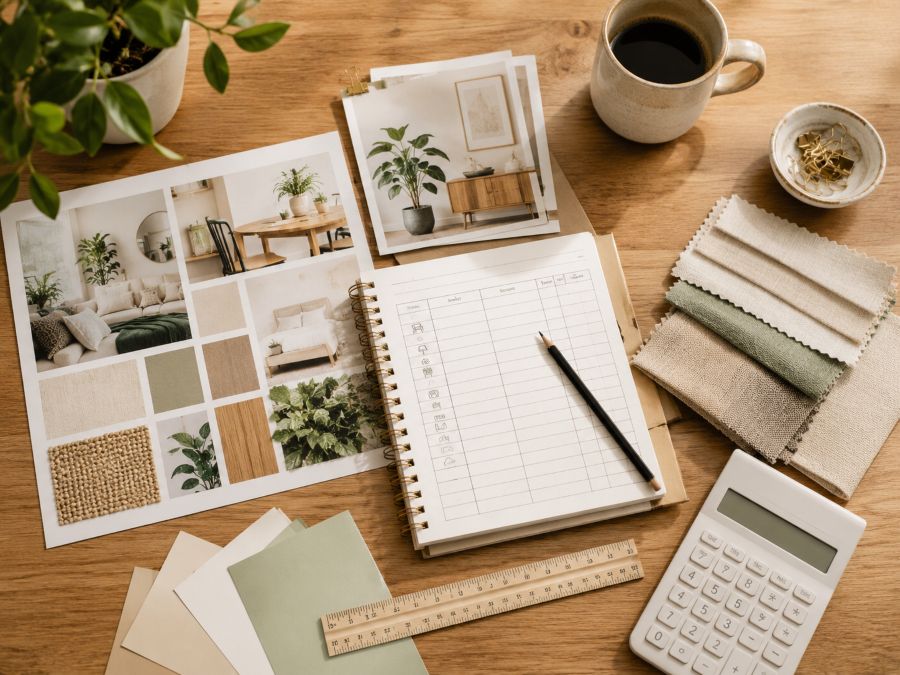
Create a detailed budget breakdown for your project. Decide what percentage of your budget goes to furniture, what to wall décor, lighting, and accessories. This structured approach prevents impulse purchases and ensures your money is distributed strategically. Many people find that allocating roughly 40% to furniture, 30% to wall treatments and lighting, and 30% to accessories works well for compact spaces.
Document your vision through inspiration boards on Pinterest or in a folder on your phone. Collect images that resonate with you—don’t worry if they seem diverse at first. Over time, patterns will emerge showing your preferences for certain color palettes, styles, and furniture arrangements. This personalized reference guide becomes invaluable when shopping, helping you stay true to your vision and avoid costly mistakes.
Choose a Cohesive Color Palette
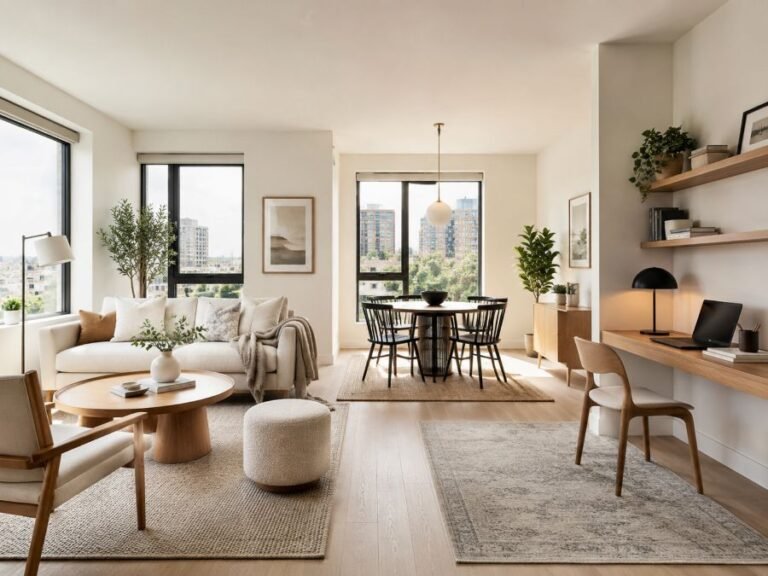
Color is the most powerful and cost-effective tool in your decorating arsenal. A cohesive color palette unifies disparate elements and makes even modest furnishings look intentional and sophisticated. For compact apartments, neutral base colors combined with 2-3 accent colors create visual interest without overwhelming the space.
Neutral Foundation Colors
- Warm neutrals (beige, cream, warm gray): Create cozy, inviting atmospheres perfect for living rooms and bedrooms. These colors reflect light warmly and make spaces feel intimate and welcoming.
- Cool neutrals (white, light gray, soft blue-gray): Open up small spaces and create airy, fresh environments. Ideal for apartments with limited natural light, these shades feel clean and contemporary.
- Soft whites: The most versatile option that amplifies natural and artificial light, making rooms feel larger. Off-whites prevent sterile, clinical appearances better than pure white.
Once you’ve chosen your neutral foundation, select 2-3 accent colors from your inspiration board. These colors should appear in larger items like artwork, throw pillows, area rugs, and plants. The key advantage of this approach is flexibility—you can change accent colors seasonally with inexpensive accessories without repainting or replacing major furniture pieces.
Smart Small Space Tip: Paint an accent wall in a warm neutral or subtle color to add depth and visual interest without overwhelming a small space. A feature wall behind your bed or above your sofa draws the eye and creates focal points that make rooms feel intentional.
Invest in Multipurpose Furniture
In a compact home, furniture must earn its place by serving multiple functions. Strategic multipurpose selections maximize usability while minimizing the number of pieces needed. This approach not only saves money but also prevents overcrowding that makes small spaces feel cluttered and cramped.
Essential Multipurpose Pieces for Small Spaces
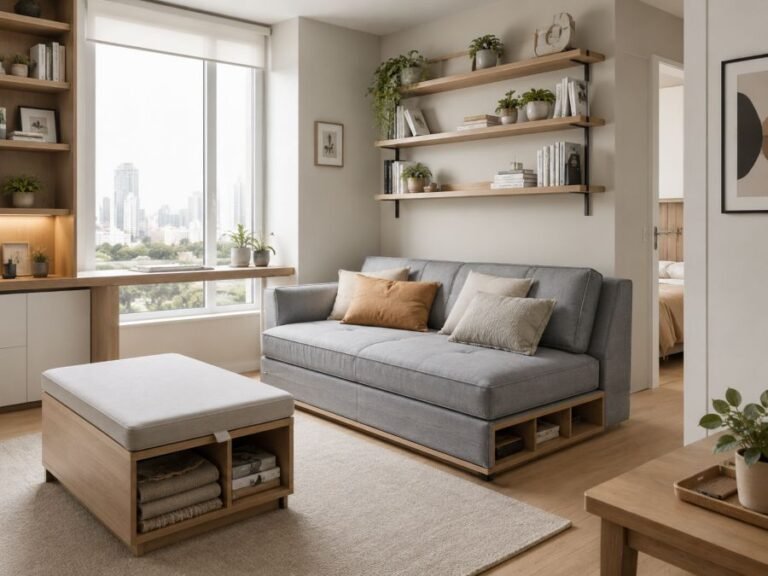
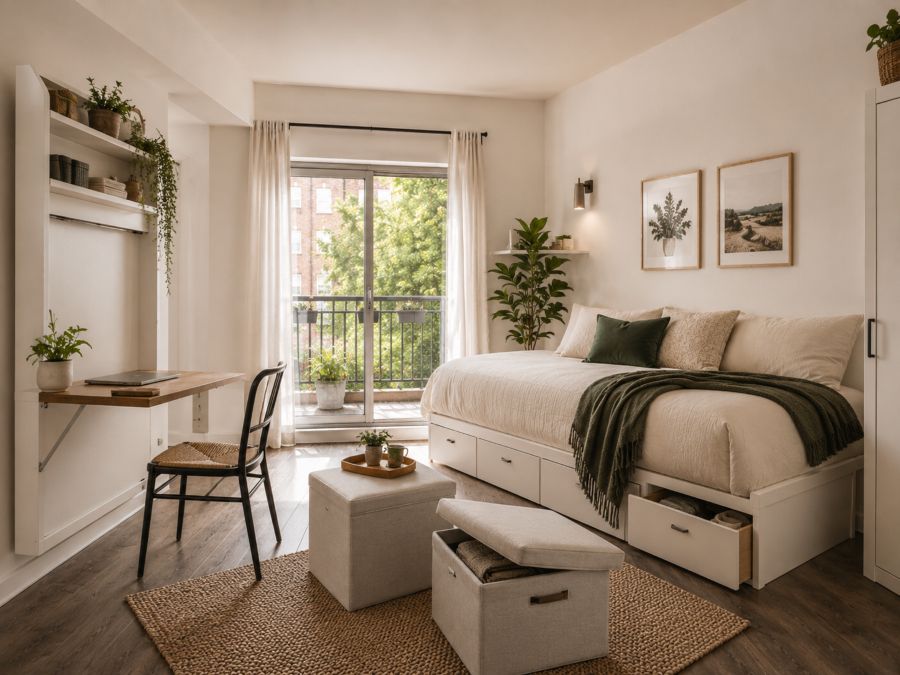
Ottomans are versatile workhorses that function as footrests, extra seating, side tables, or storage containers. Look for designs with removable trays or hidden storage compartments. A quality ottoman costs between $100-300 and can replace several separate pieces. Coffee tables with shelves underneath provide display space while concealing items you want hidden. Choose designs with open frameworks that maintain sightlines and visual lightness.
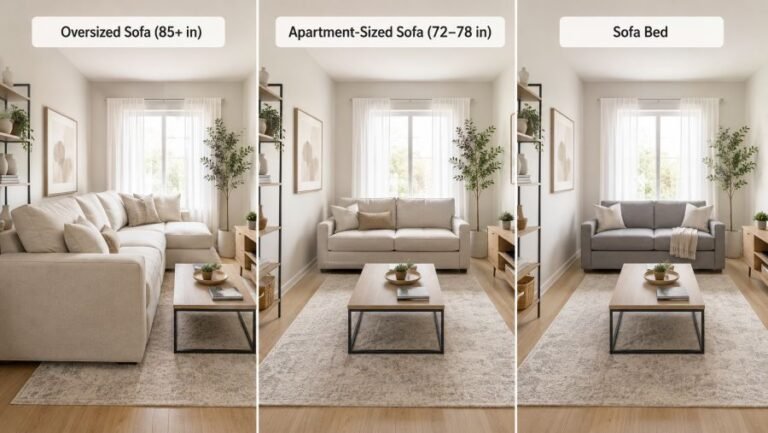
Bed frames with storage drawers underneath utilize otherwise wasted space perfectly, eliminating the need for separate dressers or filing cabinets. Wall-mounted fold-down desks transform dining areas into offices, disappearing when not in use. Sofa beds serve guests while providing sleeping space without occupying dedicated guest rooms. Modern sofa beds have improved significantly in comfort and style, eliminating the uncomfortable associations of previous generations.
Shop Smart: Where to Find Budget-Friendly Pieces
Knowing where to shop makes an enormous difference in what you can accomplish with your budget. Successful budget decorators use a strategic combination of sources rather than limiting themselves to one retailer or price point.
Budget-Friendly Shopping Sources
- Thrift stores and consignment shops: Offer genuine hidden gems at fraction of retail prices. You’ll find unique vintage pieces that add character impossible to achieve with mass-produced items. Visit regularly as inventory changes constantly.
- Online marketplaces: Facebook Marketplace, Craigslist, and OfferUp let you buy from locals, eliminating shipping costs on large items. Often people give away quality furniture when moving or redecorating.
- End-of-season sales: Retailers discount seasonal items heavily. Buy summer outdoor furniture in autumn for winter storage, then repurpose in other rooms.
- Home décor chains: IKEA, Wayfair, Target, and similar stores offer budget-friendly options with decent quality. Their clearance sections often have dramatic markdowns.
- Estate sales and auctions: Provide opportunities to find quality vintage pieces at negotiable prices. Inspect items carefully for damage but don’t overlook diamonds in the rough.
- DIY and upcycling: Transform inexpensive pieces through painting, reupholstering, or simple modifications. A basic bookshelf becomes a statement piece with wallpaper backing and styling.
Create a detailed list of what you need and stick to it while shopping. This prevents impulse purchases that derail budgets. Set price limits for different categories and don’t compromise on items you use daily. A quality mattress, office chair, or kitchen table deserves a larger budget allocation than decorative elements.
Smart Small Space Tip: Before buying anything secondhand, measure your doorways, hallways, and spaces where furniture will go. Many budget decorators waste money on pieces that don’t fit through doors or overwhelm small rooms.
Master the Art of Styling and Layering
Great compact apartments don’t look sparse—they look intentionally curated. The difference lies in thoughtful styling and layering of textures, materials, and decorative elements that create visual depth and interest without taking up physical space.
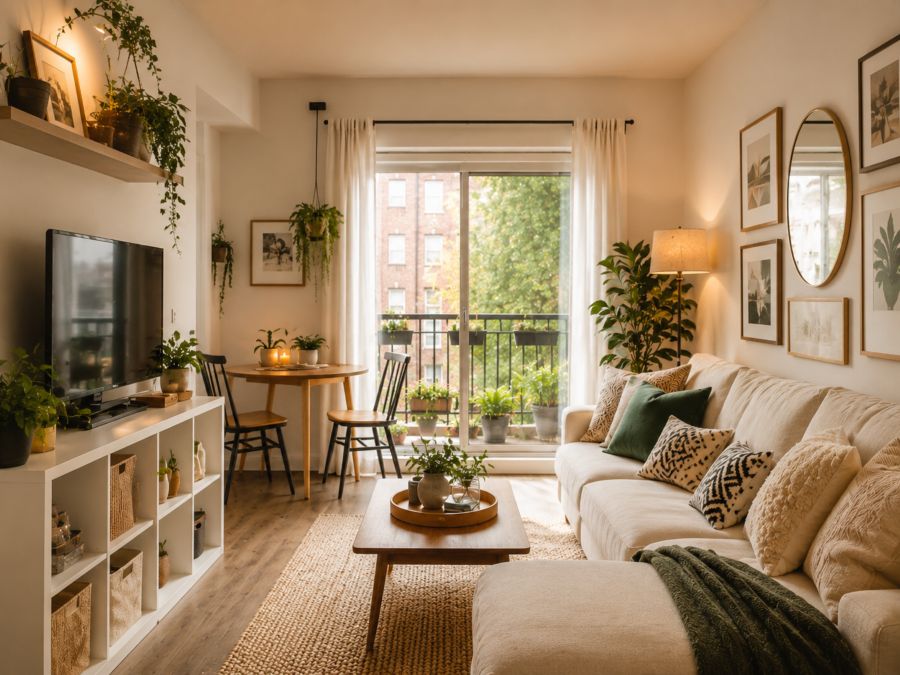
Throw pillows, blankets, and rugs are your secret weapons for transformation. These accessories are relatively inexpensive, easy to replace, and incredibly impactful. Layer different textures—soft velvet against chunky knits, smooth linen next to rougher natural fibers. This tactile variety makes spaces feel rich and inviting. Vary pillow sizes and shapes on sofas rather than matching pairs, which looks static and formal.
Wall styling extends the impact of your furniture beyond its physical footprint. Create gallery walls with a mix of framed photos, prints, and artwork. The key is choosing frames in coordinating finishes (all black, all wood, or mixed metals) to maintain cohesion while celebrating variety. Leave appropriate white space around groupings so walls feel curated rather than cluttered.
Plants add life, color, and visual softness that no artificial item can replicate. They’re also surprisingly affordable—small plants cost just a few dollars. Hang plants from the ceiling using simple macramé holders or fishing line to draw eyes upward and create the illusion of higher ceilings. Group plants together in corners or on shelves to create more impact than scattered single specimens.
Maximize Lighting Affordably
Lighting dramatically affects how a space feels and looks. Good lighting costs surprisingly little but makes enormous impact on perceived size, warmth, and overall appeal. Many compact apartments rely solely on overhead fixtures, which create harsh shadows and make rooms feel flat and unwelcoming.
Invest in multiple light sources at different levels. Floor lamps in corners add ambient light while occupying minimal square footage. Table lamps on side tables or shelves provide task lighting and visual interest. String lights or LED strip lights create cozy ambiance at minimal cost. Inexpensive pendant lights hanging from ceiling hooks replace institutional overhead fixtures without major installation.
Choose warm-colored bulbs (2700K-3000K color temperature) that create inviting atmospheres. Bright white or blue-toned bulbs feel cold and institutional in homes. Dimmers give you flexibility to adjust lighting mood for different activities and times of day. Many affordable dimmers work with standard light switches.
Natural light is your most valuable asset. Maximize it with minimal window coverings—sheers filter harsh light while maintaining visibility and connection to the outside. Mirrors opposite windows reflect natural light throughout the space, brightening dark corners without additional fixtures. This simple strategy costs almost nothing but significantly improves the overall feel of a snug home.
Compare Budget Decoration Options
| Decoration Element | Budget Option | Mid-Range Option | Investment Option |
|---|---|---|---|
| Area Rug | IKEA rug ($30-80) | West Elm or Target rug ($150-300) | Vintage or designer rug ($500+) |
| Sofa | IKEA sectional ($400-600) | Article or Wayfair sofa ($800-1200) | Room & Board or Article premium ($1500+) |
| Wall Art | DIY prints or thrift store finds ($5-30) | Etsy artists or home décor prints ($50-150) | Original artwork or gallery prints ($300+) |
| Lighting | Budget chain stores ($20-60) | Mid-range retailers ($80-200) | Designer fixtures ($300+) |
| Shelving | IKEA shelves ($15-40) | Custom floating shelves ($80-150) | Built-in shelving or custom carpenter work ($500+) |
| Throw Pillows | Target or H&M ($10-25 each) | West Elm or CB2 ($40-80 each) | Designer or custom pillows ($100+ each) |
Create Functional Storage Solutions
Storage is perhaps the most overlooked aspect of compact apartment decoration, yet it’s crucial for maintaining the clean, spacious feeling you’re working to achieve. Visible clutter immediately makes spaces feel smaller and busier, regardless of actual square footage.
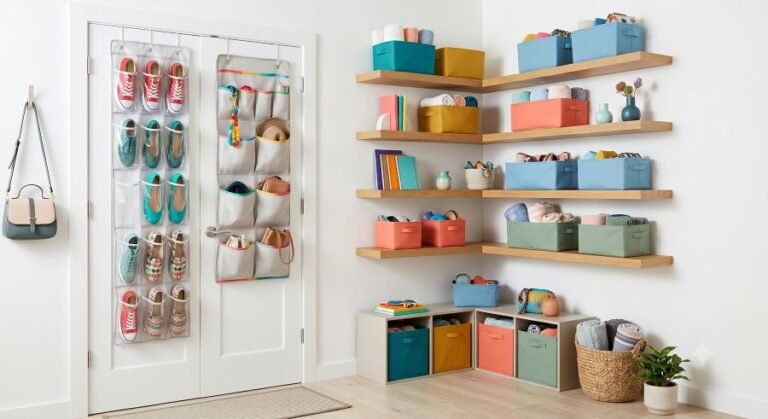
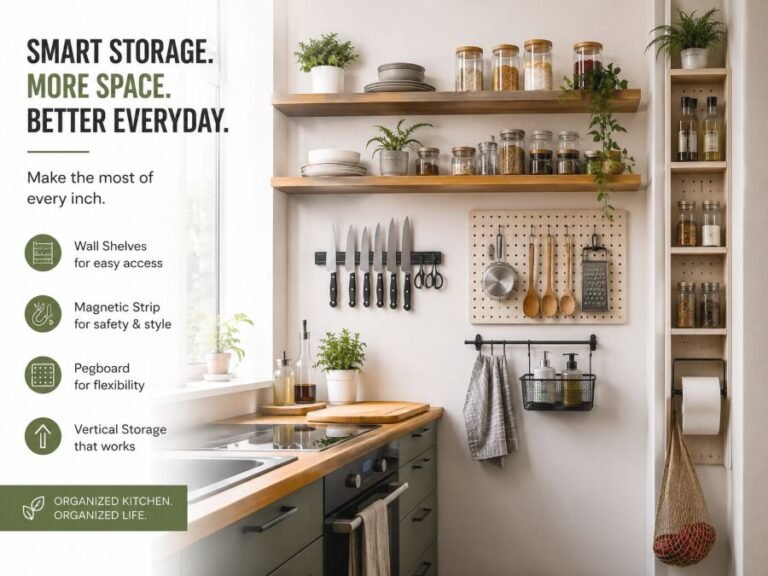
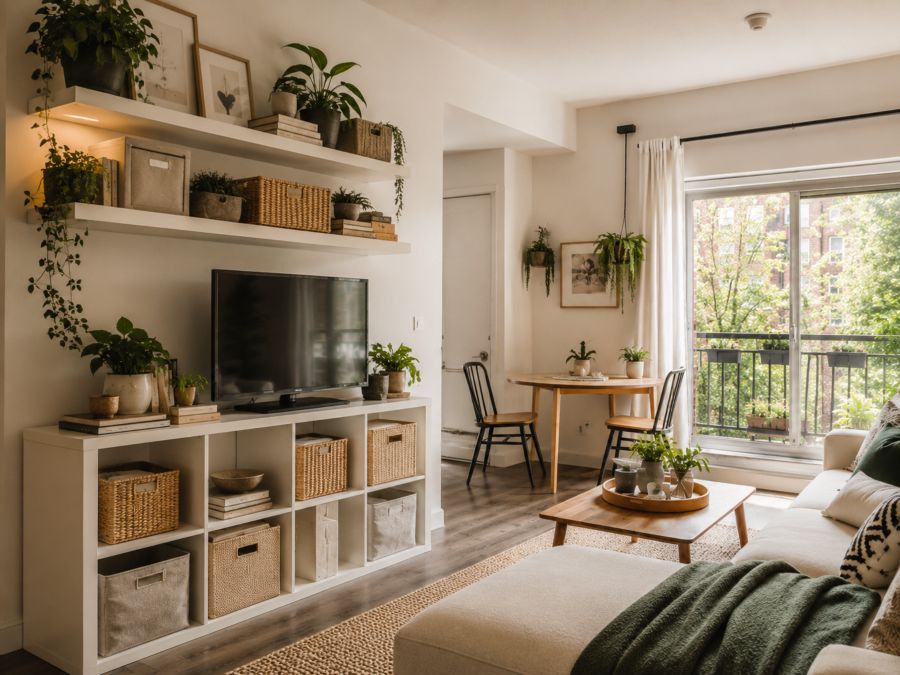
Use vertical space strategically. Wall-mounted shelving stores items while serving decorative purposes. Hang organizational systems on walls to keep everyday items accessible without surface clutter. Over-the-door organizers utilize space that would otherwise sit empty. Floating shelves are affordable alternatives to built-ins, typically costing $30-100 from budget retailers like IKEA.
Invest in beautiful storage boxes and baskets that serve dual purposes—concealing clutter while contributing to your overall aesthetic. Matching storage solutions look intentional and create visual calm. Label everything clearly so household members know where items belong, encouraging organization maintenance.
Under-bed storage containers maximize bedroom space without requiring additional furniture. Closet organizers like shelf dividers, hanging organizers, and specialty hangers maximize these precious spaces. Every closed storage area—cabinets, closets, drawers—should be optimized to reduce surface clutter.
FAQ: How to Decorate a First Apartment on a Budget
What’s the best way to decorate a first apartment on a tight budget?
Focus on smart furniture choices, embrace a cohesive color palette with neutral bases and accent colors, use vertical space, incorporate affordable art and accessories, and shop strategically from secondhand sources and budget retailers. Prioritize multipurpose pieces that serve multiple functions while maintaining style and creating visual interest through layering textures and thoughtful styling.
How can I make my apartment look bigger without spending much?
Use mirrors strategically to reflect light throughout the space, choose light colors for walls and major furniture pieces, keep visible clutter minimal through smart storage, use floating or elevated furniture to maintain sightlines, and maximize natural lighting with minimal window coverings. These proven techniques create an illusion of space without requiring significant expense, relying instead on design principles and strategic choices.
Where should I shop for budget-friendly apartment decorations?
Consider thrift stores, consignment shops, online marketplaces like Facebook Marketplace and Craigslist, home décor chains’ clearance sections, estate sales, and DIY upcycling projects. Look for seasonal sales and end-of-inventory markdowns in traditional retailers. Don’t overlook vintage shops and local antique malls for unique pieces at reasonable prices that add character impossible to achieve with mass-produced items.
Can I achieve a modern look in a compact apartment inexpensively?
Absolutely! Focus on clean lines, minimalist design principles, and a cohesive neutral color palette with minimal accent colors. Affordable modern pieces are available at budget retailers like IKEA, Wayfair, and Target. DIY projects like floating shelves, simple furniture updates, and strategic styling enhance modern aesthetics. Quality doesn’t always correlate with price—good design transcends budget limitations.
Conclusion: Your Budget Apartment Awaits
Decorating a first apartment on a budget requires creativity, strategic planning, and patience rather than deep pockets. By establishing a clear vision, choosing a cohesive color palette, investing in multipurpose furniture, shopping smart, and mastering styling techniques, you can create a beautiful, functional space that reflects your personality and lifestyle. Remember that the best decorating decisions prioritize function and personal satisfaction over trends or expensive items. Your compact apartment can absolutely be the stylish, comfortable home you envision—it just requires thoughtful choices and a fresh perspective on what’s possible within budget constraints. Start with one area, apply these principles consistently, and watch your space transform into something you’re genuinely proud to call home.
ADeL A.A
ADeL A.A is a home décor and space optimization writer who believes every square foot matters. He spends his time researching, testing, and comparing smart storage ideas, multi-functional furniture, and practical layout solutions — always searching for the best ways to make compact homes feel bigger, brighter, and better organized.
View all articles by ADeL A.A →