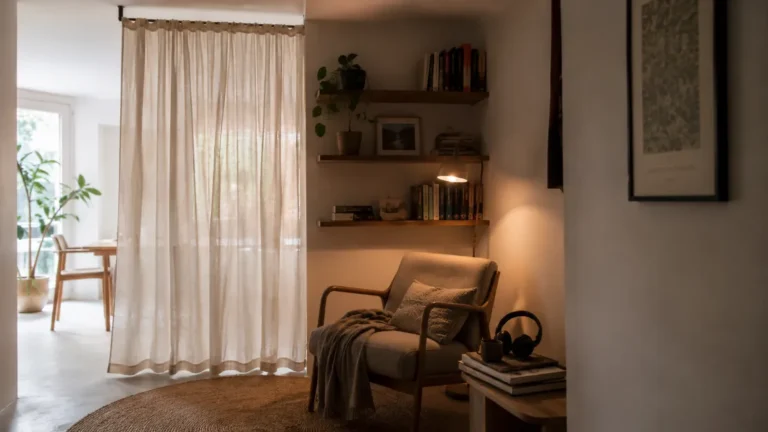
Best Window Treatments for Light, Privacy & Comfort

Window treatments are one of the most underrated decisions in a home. They quietly shape how much daylight floods a room, whether you feel exposed or cocooned, how warm or cool the space stays, and how finished the whole room looks. Get them right and a window becomes a source of comfort and beauty; get them wrong and you are left squinting against glare, drawing curtains against neighbors, or paying to heat a room that leaks warmth through the glass.
This guide breaks down the best window treatments through the three lenses that matter most: light, privacy, and comfort. You will learn how the main types perform on each, why layering so often wins, which options insulate best, and how to choose room by room. By the end, you will know exactly how to dress your windows so they work for you all day and all year, rather than against you.
The reason window treatments feel so tricky is that they are asked to do several jobs at once, and those jobs often pull in opposite directions. You want daylight, but not glare. You want privacy, but not a dark cave. You want insulation, but not to block the view. Understanding how each treatment handles light, privacy, and comfort separately is the key to choosing well — and, frequently, to combining two treatments so each covers the other’s weakness.
The Three Jobs of a Window Treatment
Before comparing products, it helps to define the three goals clearly, because almost every choice is a balance between them. Light control is about how a treatment manages daylight — whether it filters, diffuses, blocks, or redirects the sun, and how much flexibility you have between fully open and fully dark. Privacy is about controlling what others can see in, and it changes between day and night: a treatment that hides you in daylight may expose you completely once interior lights are on after dark.
Comfort is the quietest of the three but often the most valuable. It covers insulation against heat and cold, reducing drafts, softening sound, and the general sense of coziness a well-dressed window provides. A bare window loses heat in winter and gains it in summer, so the right treatment can genuinely improve how a room feels and even trim energy bills. Keeping these three goals in mind as you read will help you weigh every option against what your specific room actually needs.
Curtains and Drapes: The Versatile Classic
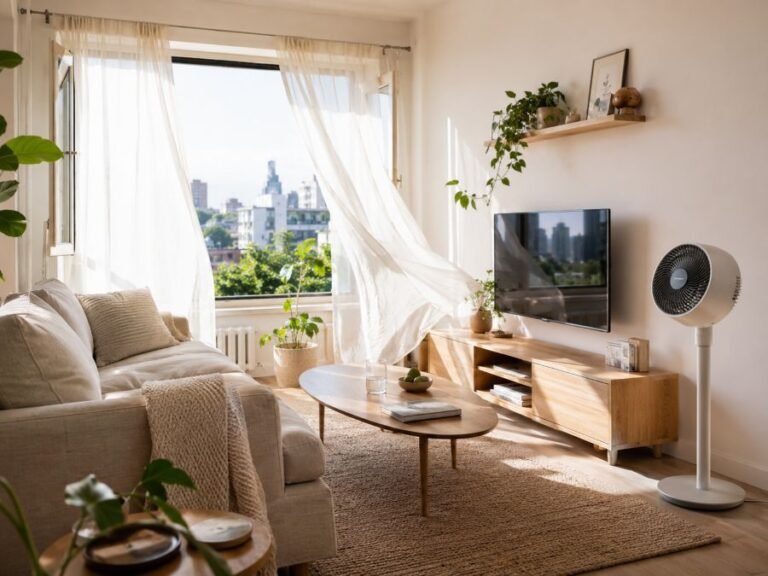
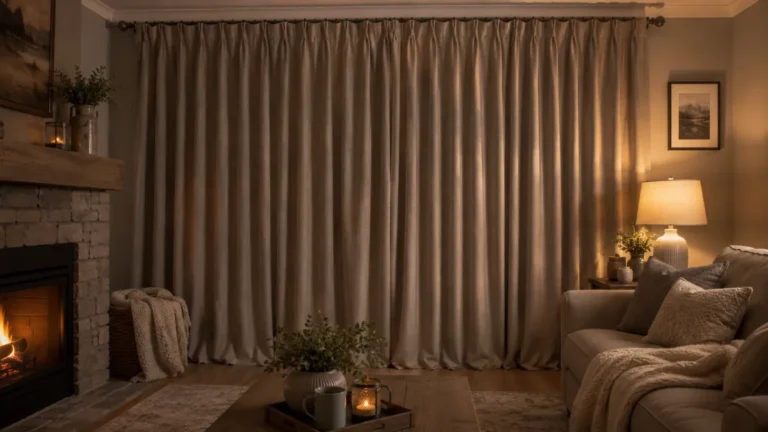
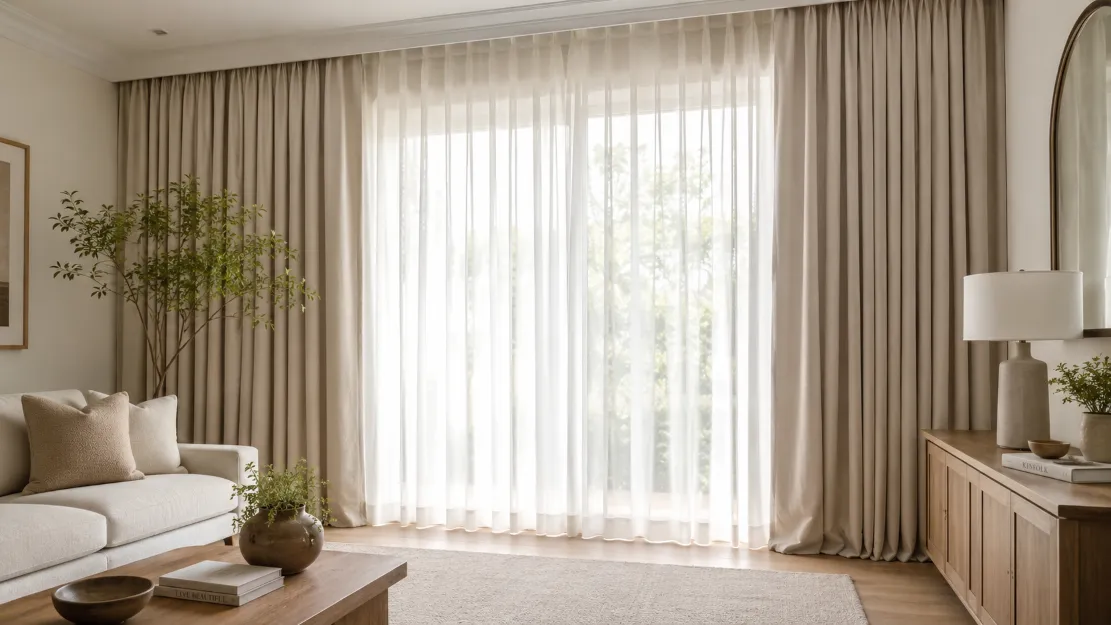
Curtains remain the most adaptable window treatment because they come in every weight and opacity imaginable. Sheer curtains diffuse daylight into a soft glow and provide gentle daytime privacy while keeping a room bright and airy. At the other end, blackout and thermal-lined curtains block light almost entirely and add real insulation, making them ideal for bedrooms and for any room that runs hot or cold. Between those extremes, lightweight and medium-weight fabrics offer endless middle-ground options.
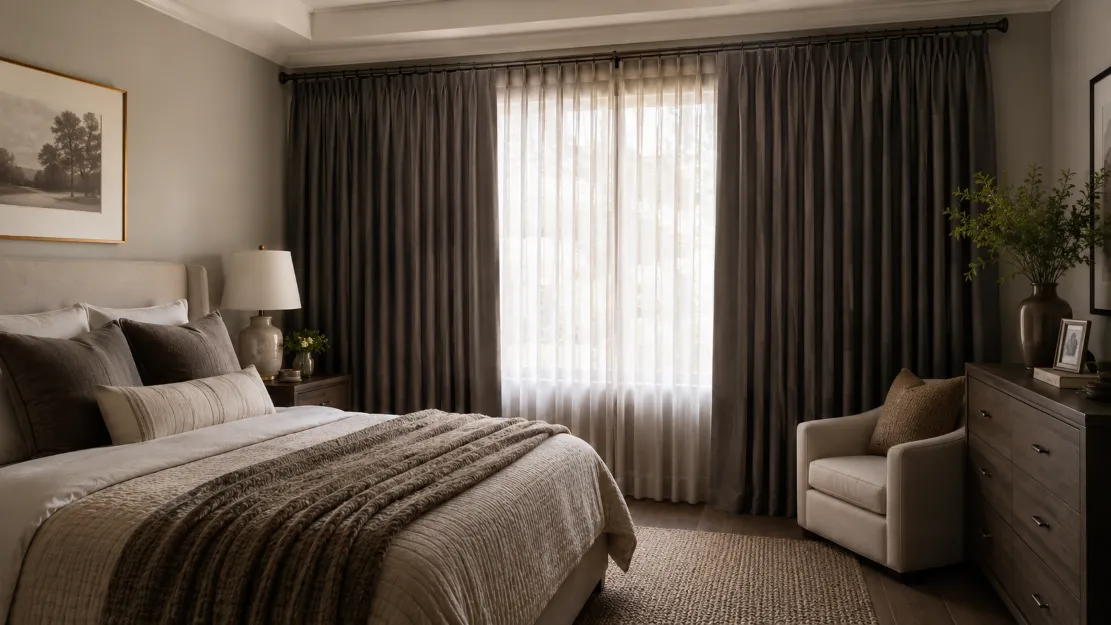
The real power of curtains lies in how they hang and combine. Mounting the rod high and wide — above the frame and extending past it — makes a window look larger and lets curtains stack off the glass when open, maximizing light. For full flexibility, many homes pair two layers on a double rail: sheers for the day and heavier drapes for the evening. This layered approach is the simplest way to handle light, privacy, and comfort with a single, beautiful solution that adapts to any hour.
Blinds and Shades: Precision and Insulation
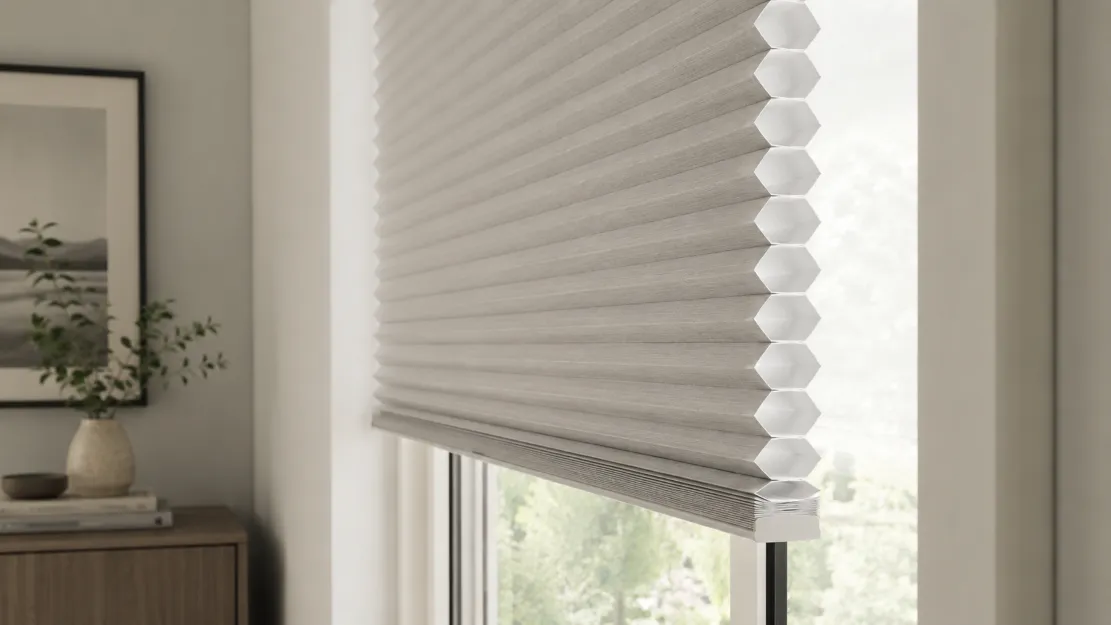
Where curtains drape, blinds and shades offer crisp, precise control, which makes them favorites for a clean, tailored look. Among shades, cellular or honeycomb styles deserve special attention for comfort: their distinctive air-pocket construction traps a layer of insulating air at the window, helping keep heat in during winter and out during summer. For anyone focused on energy efficiency and year-round comfort, they are often the single best choice.
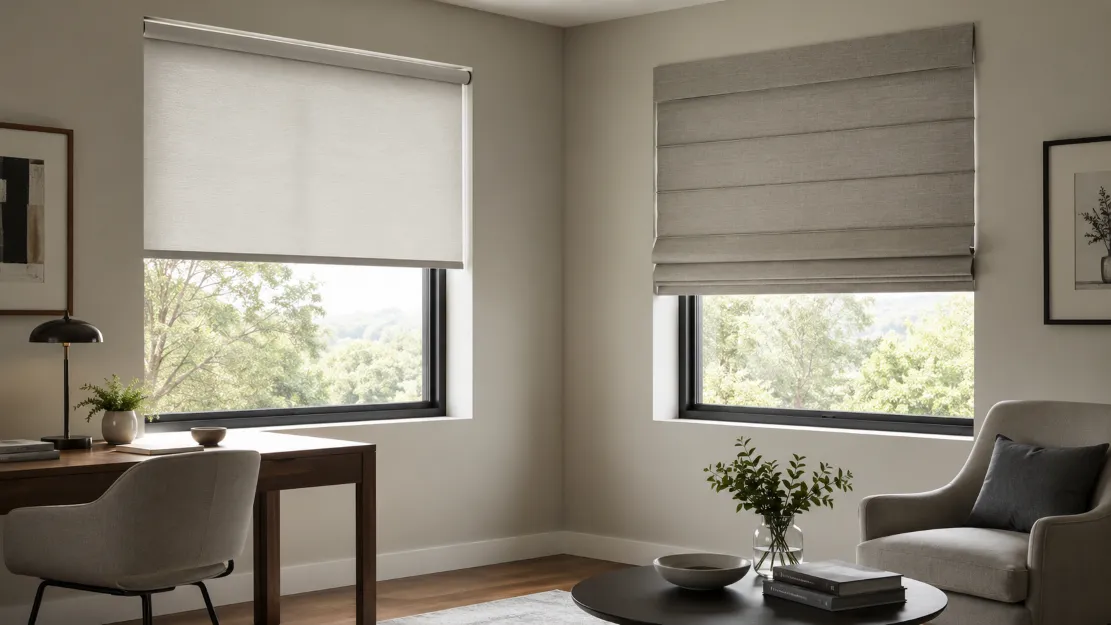
Other styles shine for light and privacy. Roller and Roman shades give a smart, streamlined finish and come in light-filtering or blackout fabrics. Venetian and other slatted blinds let you tilt for precise control, directing light upward while preserving some privacy below. A particularly clever option is the top-down bottom-up shade, which opens from either end — so you can lower it from the top to let light spill in while keeping the lower half closed for privacy, a brilliant solution for ground-floor and street-facing windows.
Comparing the Main Options
With so many choices, a side-by-side view helps clarify which treatment suits your priorities. The table below rates the common types across the three jobs, so you can quickly see where each one excels and where it may need a partner layer to fill a gap.
| Treatment | Light Control | Privacy | Comfort / Insulation |
|---|---|---|---|
| Sheer curtains | Soft, diffused | Daytime only | Low |
| Blackout / thermal curtains | Blocks fully | Full, day and night | High |
| Cellular (honeycomb) shades | Filtering or blackout | Good | Very high |
| Roller / Roman shades | Light-filter or blackout | Good when closed | Moderate |
| Venetian / slatted blinds | Precise, tiltable | Adjustable | Low to moderate |
| Shutters | Precise, tiltable | Excellent | Good |
Smart Small Space Tip: In a compact home, mount treatments close to the ceiling and choose light, neutral fabrics. Hanging curtains high draws the eye upward and makes the window — and the whole room — feel taller, while pale sheers keep precious daylight flowing instead of absorbing it, so the space stays bright and open.
The Power of Layering
If there is one principle that solves the light-versus-privacy puzzle, it is layering. Because no single treatment perfectly handles every situation, combining two lets each cover the other’s weakness. The most common pairing is a sheer with a heavier curtain or blind: through the day the sheer diffuses light and offers privacy while keeping the room bright, and in the evening you close the opaque layer for darkness and full seclusion. The result is a window you can fine-tune to any moment.
Layering also adds depth and richness to a room’s look, which is why designers reach for it so often. You might combine a roller shade with floor-length curtains, or cellular shades with sheers for both insulation and softness. Consider these popular, high-performing combinations:
- Sheers + blackout curtains: bright and private by day, dark and cozy by night — perfect for bedrooms.
- Roller shade + drapes: precise daytime light control with the warmth and softness of fabric.
- Cellular shades + sheers: strong insulation paired with a soft, diffused glow.
- Top-down bottom-up shade alone: light from above and privacy below in a single, tidy unit.
- Blinds + curtains: tailored control plus a finished, decorative frame around the window.
Choosing Room by Room
The best treatment depends heavily on the room, because each space has its own balance of priorities. In bedrooms, darkness and privacy usually come first, so blackout curtains or blackout cellular shades — often layered with sheers — are the go-to for restful sleep and full evening seclusion. In living rooms, where you want daylight and a welcoming feel, layered sheers and drapes or light-filtering shades let you adjust from bright and open to cozy and private as the day moves on.
Kitchens and bathrooms add practical demands. In a kitchen, easy-to-clean, moisture-tolerant treatments like roller shades or faux-wood blinds handle steam and splashes better than delicate fabrics. Bathrooms prioritize privacy and humidity resistance, where waterproof blinds, shutters, or frosted solutions work well. Home offices benefit from glare control for screens, making tiltable blinds or top-down bottom-up shades especially useful. Matching the treatment to the room’s real-world conditions is what keeps it looking good and working well for years.
Common Window Treatment Mistakes to Avoid
A few frequent errors undercut otherwise good choices. Keep these in mind before you buy or install:
- Hanging curtains too low or too narrow. Mounting at the frame shrinks the window. Go high and wide to enlarge it and free the glass.
- Relying on sheers alone. They look lovely but offer no nighttime privacy. Always add an opaque layer where it matters.
- Ignoring insulation. A bare or thin treatment wastes energy. Cellular shades or lined curtains pay you back in comfort.
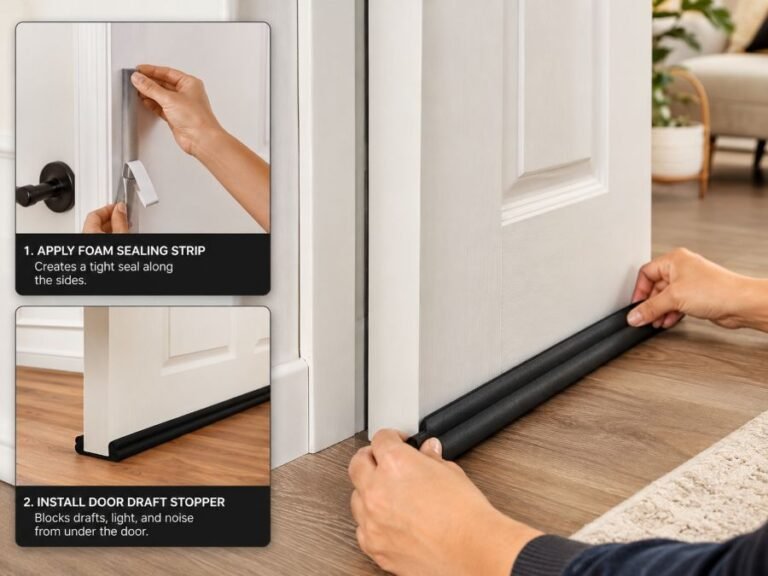
- Measuring carelessly. Ill-fitting blinds and shades leak light at the edges. Measure precisely and decide on inside versus outside mounting.
- Forgetting the room’s conditions. Delicate fabrics in a steamy kitchen or bathroom will not last. Match materials to moisture and use.
When you approach window treatments through the three lenses of light, privacy, and comfort — and accept that layering usually serves you best — the choices become far clearer. Decide what each room needs most, pick a primary treatment that delivers it, and add a second layer to cover the rest. Done thoughtfully, your windows will flood rooms with daylight when you want it, shield you completely when you do not, and keep every space comfortable through the seasons.
Dressing a window well is one of the most satisfying upgrades in a home because it touches everything: the light you live in, the privacy you feel, the comfort of the temperature, and the finished look of the room. Whether you choose breezy sheers, insulating cellular shades, tailored blinds, or a layered combination, let your room’s real needs lead the decision. Get that balance right and your windows will quietly improve daily life, one beautifully controlled beam of light at a time.
FAQ: Window Treatments for Light, Privacy & Comfort
What window treatment is best for both light and privacy?
Layering is the best answer. Pairing sheer curtains or top-down bottom-up shades with a heavier curtain or blind lets you filter light and keep daytime privacy while still being able to block the view or darken the room when you need to. A single treatment rarely handles both jobs as well as two layers working together.
Which window treatments are best for energy efficiency and comfort?
Cellular, or honeycomb, shades are the standout for comfort because their air-pocket structure insulates the window, helping keep rooms warmer in winter and cooler in summer. Thermal or lined blackout curtains also reduce drafts and heat loss, so combining insulating shades with lined curtains gives the best year-round temperature control.
Do sheer curtains provide privacy at night?
No. Sheers offer good daytime privacy by softening the view from outside, but once it is dark and your interior lights are on, people can see in. For nighttime privacy you need a second, opaque layer such as a blackout curtain, a blind, or a shade that you can close in the evening.
Should curtains hang to the floor or the sill?
For living rooms and bedrooms, floor-length curtains generally look the most elegant and make ceilings feel higher, ideally just touching or barely puddling on the floor. Sill-length or apron-length panels suit kitchens, bathrooms, and windows above radiators or furniture, where full-length fabric would be impractical.
Bringing It All Together
The best window treatment is rarely a single product — it is the right balance of light, privacy, and comfort for the room in question. Use sheers to keep daylight and daytime privacy, add blackout or thermal layers for darkness, seclusion, and insulation, and lean on cellular shades when comfort and energy savings top your list. Mount everything high and wide, match materials to each room’s conditions, and layer wherever one treatment cannot do it all. Dress your windows with that intention and they will reward you with brighter days, private evenings, and a more comfortable home all year round.
ADeL A.A
ADeL A.A is a home décor and space optimization writer who believes every square foot matters. He spends his time researching, testing, and comparing smart storage ideas, multi-functional furniture, and practical layout solutions — always searching for the best ways to make compact homes feel bigger, brighter, and better organized.
View all articles by ADeL A.A →