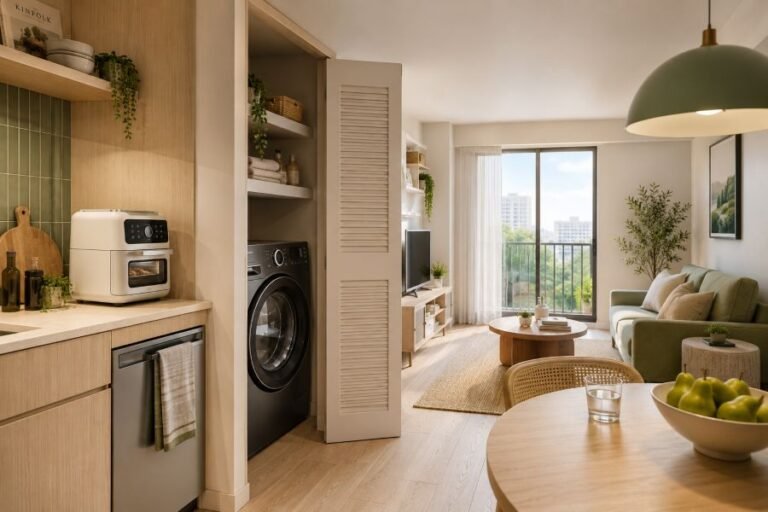
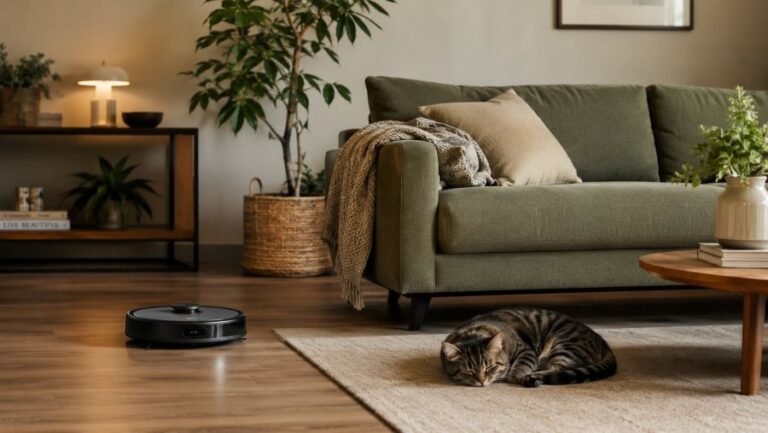
How to Automate a Small Apartment Without Permanent Installation

Renting a small apartment used to mean giving up on the smart-home dream entirely. After all, most automation guides assume you can drill into walls, swap out light switches, and run new wiring behind the drywall, which is exactly what a lease forbids. The good news is that the entire landscape has shifted, and today you can fully automate a small apartment without permanent installation, without a screwdriver, and without ever risking your security deposit.
This guide walks you through a practical, renter-friendly path to a connected home. You will learn which devices truly require zero modification, how to layer them so they actually talk to each other, and how to remove every piece cleanly on moving day. Whether you live in a 400-square-foot studio or a compact one-bedroom, these strategies are designed to maximize convenience while respecting both your space and your lease.
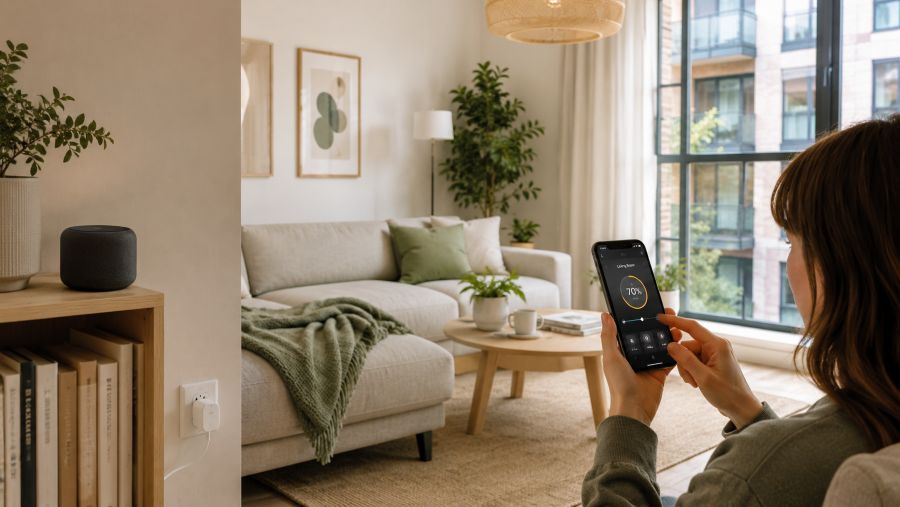
The core principle behind no-installation automation is simple: replace anything that would normally be hardwired with a device that either plugs into an existing outlet, screws into an existing socket, sits on a surface, or attaches with removable adhesive. Once you adopt that mindset, you will be surprised by how few compromises you actually have to make. Modern wireless ecosystems were practically designed for renters, and a thoughtfully chosen kit can rival a custom-installed system in everyday usefulness.
Before buying anything, it helps to map your daily friction points. Do you fumble for a lamp switch in the dark? Forget to turn off the coffee maker? Worry about packages while you are at work? Each of these annoyances has a plug-in or stick-on solution. By starting with problems rather than products, you avoid the common trap of buying gadgets that look impressive but never earn a place in your routine.
To see these renter-friendly ideas in action, watch the short walkthrough below. It demonstrates how a small apartment can go from ordinary to fully automated using nothing but plug-in and stick-on devices, so you can picture exactly how each piece fits into your own space before you buy anything.
With that overview in mind, let us break down each category of no-installation smart device in detail, starting with the cheapest and easiest upgrade you can make today.
Why No-Installation Automation Makes Sense for Renters
Permanent smart-home upgrades carry real risks for anyone who does not own their home. Hardwired switches, in-wall outlets, and ceiling-mounted devices can violate lease terms, trigger deductions from your deposit, and leave you with expensive hardware you cannot take with you. No-installation automation flips that equation entirely, giving you control without commitment.
Beyond protecting your deposit, removable devices offer a flexibility that hardwired systems simply cannot match. When you move, your entire setup moves with you. You unplug, peel, and pack, then recreate the same comforts in your next home within an hour. For people who relocate every year or two, this portability turns a smart home into a genuine long-term investment rather than a sunk cost left behind for the next tenant.
The Three Golden Rules of Renter Automation
- Nothing permanent: every device must plug in, screw in, or stick on with removable adhesive, leaving the apartment exactly as you found it.
- Everything portable: choose hardware you genuinely want to carry to your next home, not one-time installations.
- Start small, then layer: build around real daily frustrations first, then expand only when a new device clearly earns its keep.
Smart Plugs: The Easiest Entry Point
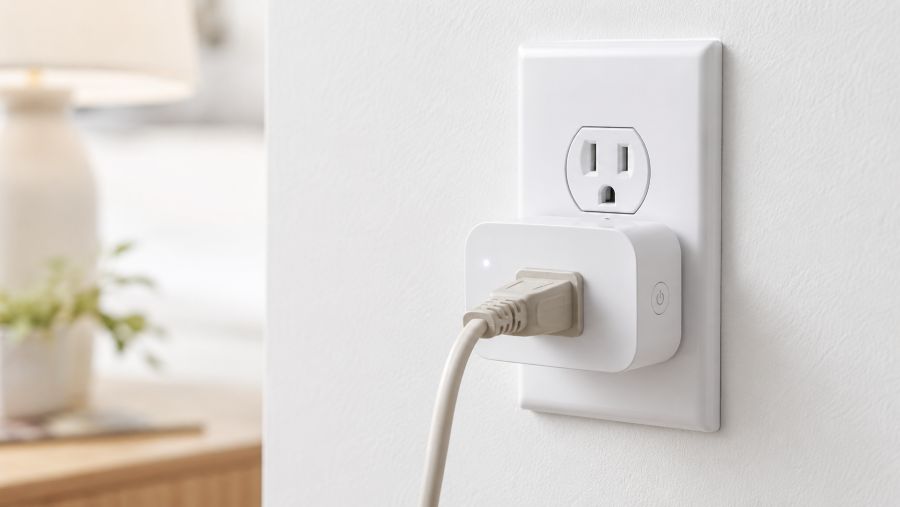
If you do only one thing on this list, make it smart plugs. These compact adapters sit between your wall outlet and any device with a standard plug, instantly turning a dumb appliance into a controllable one. Lamps, fans, coffee makers, space heaters, string lights, and chargers all become schedulable, voice-controlled, and remotely operable the moment you snap a smart plug into place.
The beauty of smart plugs lies in how much they accomplish for so little money and effort. A single plug can replace the need for an expensive smart lamp, since it controls whatever lamp you already own. You can program your bedroom light to fade on gently before your alarm, ensure the iron is never left running, or shut down a noisy power strip with a simple voice command. For a small apartment where every device counts, this versatility is hard to overstate.
When shopping, look for plugs that report energy usage, support both phone-app and voice control, and fit comfortably in your outlets without blocking the second socket. In a compact space with limited outlets, a slim profile and a smart power strip with multiple controllable sockets can be especially valuable.
Lighting Without Rewiring
Lighting transforms how a small space feels, and automating it does not require touching a single switch. The simplest route is the smart bulb, which screws into your existing sockets exactly like an ordinary bulb but connects to Wi-Fi or a hub. From your phone or a voice assistant, you can dim it, change its color temperature, schedule it, and group several bulbs into scenes that shift the mood of the entire room at once.
One common worry with smart bulbs is the wall switch. If someone flips the physical switch off, the bulb loses power and becomes unresponsive. The renter-friendly fix is a wireless switch button that sticks to the wall with removable adhesive, sitting right over or beside the original switch. It sends commands wirelessly, so you keep a familiar tactile control without ever rewiring anything. This small accessory bridges the gap between modern automation and the muscle memory of reaching for a switch.
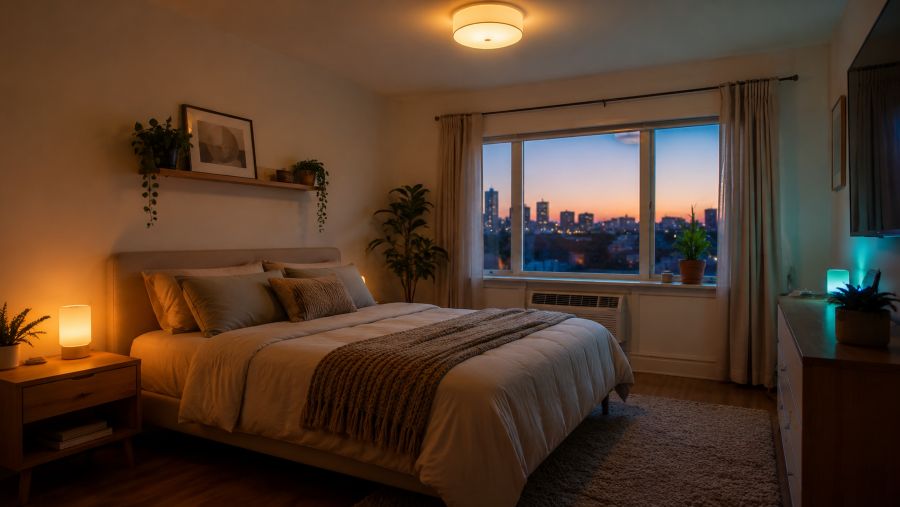
Smart Small Space Tip: In a studio, group all your bulbs and plugs into two or three scenes such as “Morning,” “Focus,” and “Wind Down.” With one tap or voice command, the entire apartment shifts its lighting and mood at once, which feels far more luxurious than controlling each device individually.
Voice Assistants and Hubs: The Brain of the System
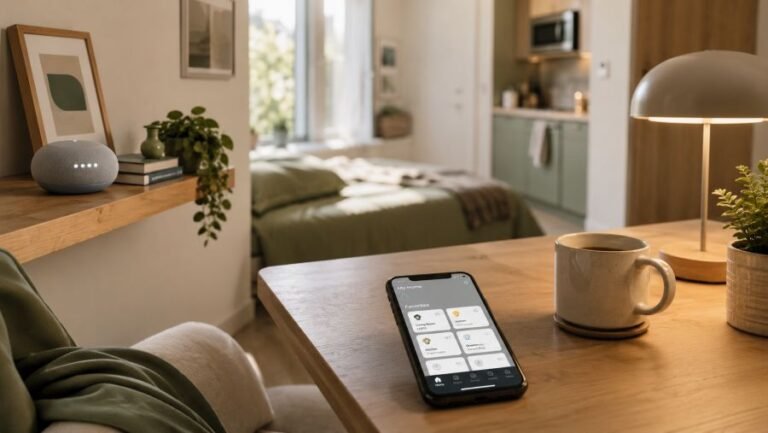
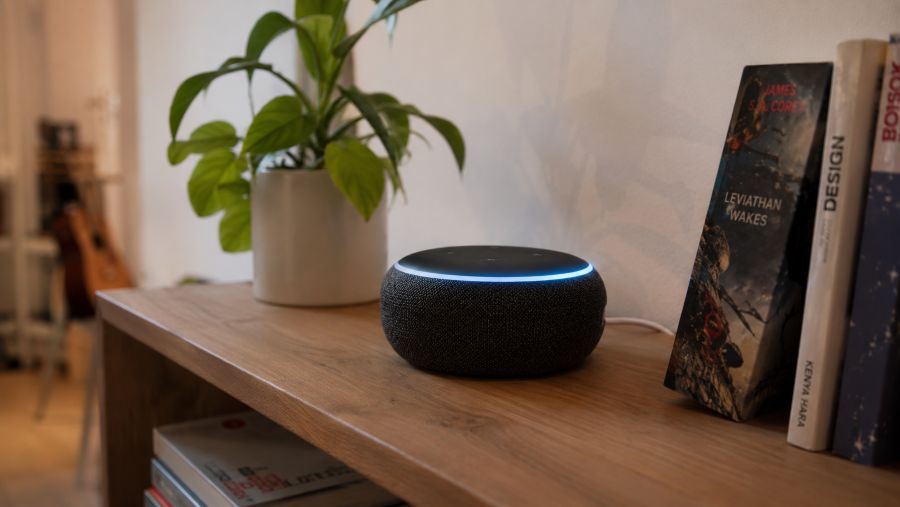
A voice assistant speaker is what ties a collection of gadgets into a cohesive system. Once you connect your plugs and bulbs to a single assistant, you can control everything by voice, create routines that fire on a schedule, and trigger several devices with one phrase. Saying good night and watching the lights dim, the fan switch off, and the morning alarm arm itself is the moment a small apartment starts to feel genuinely intelligent.
Whether you also need a dedicated hub depends on the devices you choose. Pure Wi-Fi gadgets often work without one, communicating directly through your router and the manufacturer’s app. However, sensors and accessories that use low-power protocols such as Zigbee or Z-Wave usually need a hub to translate their signals. Many modern speakers now include a built-in hub, letting you cover both worlds with a single device that sits quietly on a shelf and requires nothing more than a power outlet.
Sensors and Security You Can Peel Off
Security and awareness are often where renters assume they must compromise, yet this category has some of the best no-installation options available. Battery-powered motion sensors, contact sensors for doors and windows, and leak detectors all attach with removable adhesive strips and run for months or years on a small battery. They can trigger lights, send phone alerts, or arm a routine the moment you leave, all without a single drilled hole.
For visual monitoring, freestanding indoor cameras sit on any shelf and need only a power outlet and Wi-Fi. Many double as two-way intercoms and package alerts. If you want a doorbell experience, look for battery-powered video doorbells designed to mount with adhesive or to clip onto an existing fixture, since these avoid the wiring that traditional doorbells demand. Together, these devices deliver real peace of mind that travels with you from lease to lease.
Climate and Comfort on a Plug
Even temperature control has renter-friendly answers. While a hardwired smart thermostat is off the table for most tenants, a smart plug paired with a portable heater or a window air conditioner gives you scheduled, remote, and voice control over comfort. Smart plug-in fans and humidifiers round out the picture, letting you walk into a perfectly conditioned room without having touched the building’s HVAC system at all.
Comparison: No-Installation Smart Devices at a Glance
The table below summarizes the most useful categories for a small rented apartment, how each one attaches, and what it does best. Use it as a shopping shortlist that grows with your needs rather than overwhelming you from day one.
| Device Type | How It Attaches | Best For | Hub Needed? |
|---|---|---|---|
| Smart Plug | Plugs into outlet | Lamps, fans, coffee makers, heaters | No |
| Smart Bulb | Screws into socket | Dimming, color, scenes, schedules | Sometimes |
| Wireless Switch Button | Removable adhesive | Physical control of smart bulbs | Usually |
| Smart Speaker / Hub | Sits on shelf, plug-in | Voice control, routines, central brain | Is the hub |
| Motion / Contact Sensor | Removable adhesive | Security, automatic lighting, alerts | Usually |
| Indoor Camera | Sits on shelf, plug-in | Monitoring, package and pet alerts | No |
Building Your System Step by Step
Resist the urge to buy everything at once. A connected home is most enjoyable when it grows around your habits rather than dictating them. Begin with a single voice speaker and two smart plugs, then live with that setup for a week. You will quickly discover which routines feel natural and which gadgets you actually reach for, and that real-world feedback should guide every purchase that follows.
Once the basics feel indispensable, add smart bulbs to the rooms where lighting matters most, usually the bedroom and the main living area. From there, introduce a couple of sensors to automate hallway lighting at night or to receive alerts when you are away. By layering deliberately, you keep costs manageable, avoid clutter in a small space, and ensure that every device you own genuinely improves your day rather than gathering dust.
Finally, take a few minutes to organize everything inside one app or one assistant ecosystem. Consistency is the difference between a collection of gadgets and a true smart home. When all your devices answer to the same voice assistant and live in the same routines, automation fades into the background and simply becomes the way your apartment works.
FAQ: Automating a Small Apartment Without Installation
Can I automate a rented apartment without losing my deposit?
Yes. By choosing plug-in devices, screw-in smart bulbs, peel-and-stick sensors with removable adhesive, and wireless hubs, you can build a full automation system that leaves no holes, no rewiring, and no permanent marks, so your security deposit stays protected.
Do I need a smart home hub to automate a small apartment?
Not always. Many Wi-Fi devices work directly with a phone app and a voice assistant. A hub becomes worthwhile once you add Zigbee or Z-Wave sensors, want faster local response, or need dozens of devices to talk to each other reliably. A speaker with a built-in hub is often the simplest all-in-one answer.
Is renter-friendly smart home automation expensive?
No. A meaningful starter setup with two smart plugs, a couple of smart bulbs, and a voice speaker can cost less than a single mid-range appliance, and you can expand gradually as your budget allows. Because the hardware moves with you, the cost is spread across every apartment you live in.
Will smart bulbs stop working if someone flips the wall switch?
They will lose power and go offline until the switch is turned back on. The renter-friendly solution is a wireless switch button that sticks beside the original switch and sends commands without cutting power, preserving a familiar physical control while keeping the bulb always responsive.
Your Smart Apartment, No Strings Attached
Automating a small apartment without permanent installation is no longer a workaround or a compromise; it is a genuinely better approach for anyone who values flexibility. Plug-in, screw-in, and stick-on devices deliver nearly every benefit of a hardwired system while protecting your deposit and traveling with you from one home to the next. The technology has matured to the point where renters are no longer second-class citizens in the smart-home world.
Start with the friction points that nag at you each day, choose a few removable devices to solve them, and unify everything under a single voice assistant. Layer thoughtfully, keep portability in mind, and your compact apartment will feel responsive, comfortable, and effortlessly modern, all without a single hole in the wall. When moving day finally arrives, you will simply unplug, peel, and pack your entire smart home into a box, ready to set it up again wherever life takes you next.
ADeL A.A
ADeL A.A is a home décor and space optimization writer who believes every square foot matters. He spends his time researching, testing, and comparing smart storage ideas, multi-functional furniture, and practical layout solutions — always searching for the best ways to make compact homes feel bigger, brighter, and better organized.
View all articles by ADeL A.A →