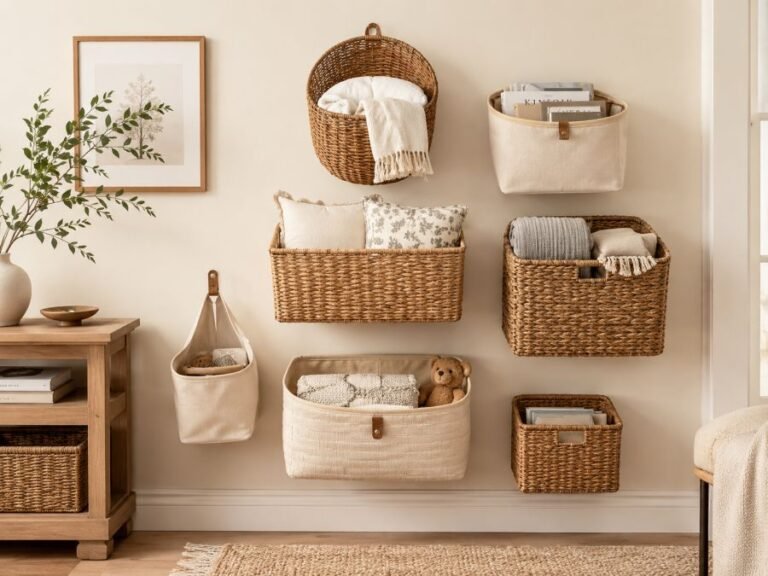
Small Closet Organization Ideas for Maximum Space

A small closet doesn’t have to mean limited style or constant frustration searching for what to wear. With thoughtful organization strategies and clever storage solutions, you can transform even the tiniest closet into a functional, beautiful space that makes getting dressed a pleasure rather than a chore.
Whether you’re working with a bedroom closet barely wider than a doorway or a shallow entryway closet, this guide will show you proven methods to maximize every precious inch of space while keeping your wardrobe accessible and easy to maintain.
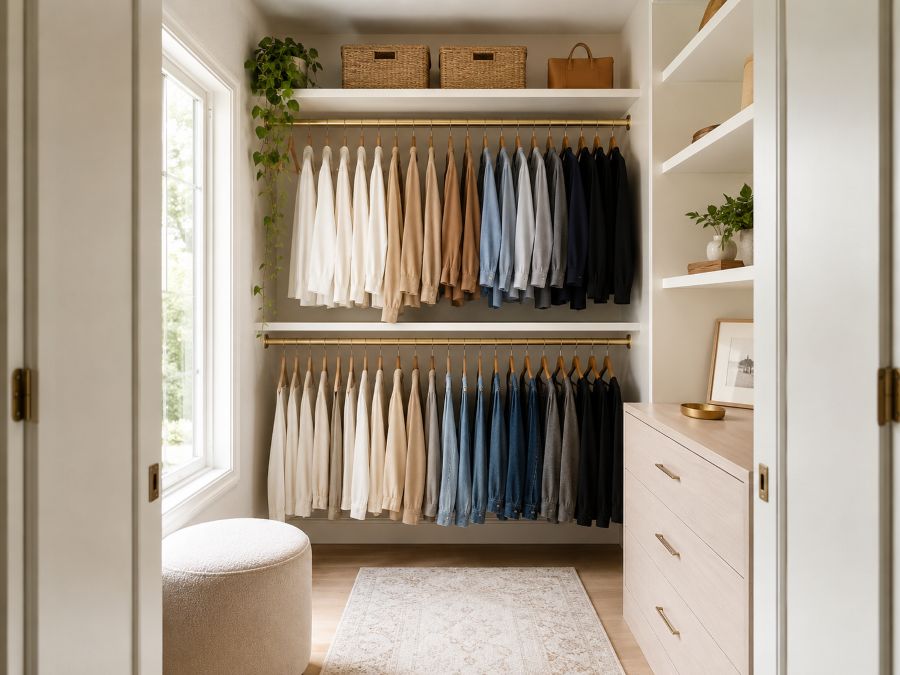
The key to succeeding with a small closet lies in understanding that space isn’t just measured in square footage—it’s about how strategically you utilize every dimension available. Height becomes your greatest asset when floor space is limited, and depth can be multiplied through smart layering and organization systems. The most effective small closet organization combines three essential elements: reduction of excess items, strategic storage solutions, and a system that makes everyday access simple and intuitive.
Assess and Declutter Your Closet First
Before implementing any organization system, you must first declutter. This foundational step is non-negotiable because every inch of your small closet should be occupied by items you genuinely wear and love. Clothes that no longer fit, styles you’ve outgrown, or pieces with sentimental value but no practical use are taking up precious real estate.
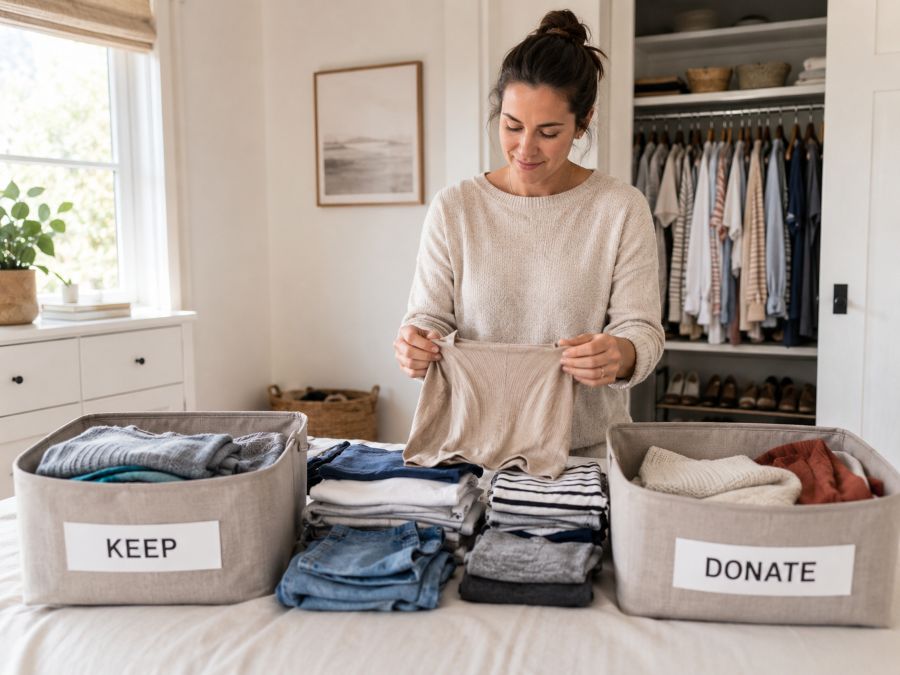
Start by removing everything from your closet and creating three distinct piles: keep, donate, and sell. Be honest about each piece. If you haven’t worn something in over a year, doesn’t fit properly, or makes you feel uncomfortable, it’s time to let it go. This process typically reduces closet contents by 30-50%, instantly creating breathing room in even the smallest spaces.
The Capsule Wardrobe Approach
- Focused selection: A capsule wardrobe typically contains 30-50 versatile pieces that work together in multiple combinations, creating dozens of outfit possibilities while using minimal closet space.
- Color coordination: Choose a neutral base color (black, navy, white, or gray) and add 2-3 complementary accent colors that work with most pieces, creating a cohesive wardrobe where nearly everything coordinates.
- Quality over quantity: Invest in well-made basics that last longer and look better, rather than accumulating fast fashion items that take up space and wear out quickly.
- Seasonal rotation: Store off-season clothes in vacuum bags or under-bed containers elsewhere, keeping only current-season items in your closet for maximum accessibility.
Maximize Vertical Space with Strategic Hanging Solutions
When floor space is limited, vertical space becomes your most valuable asset. The average closet rod hangs roughly 60 inches above the floor, leaving significant unused space above. Smart hanging solutions can double or even triple your hanging capacity without requiring any structural changes to your closet.
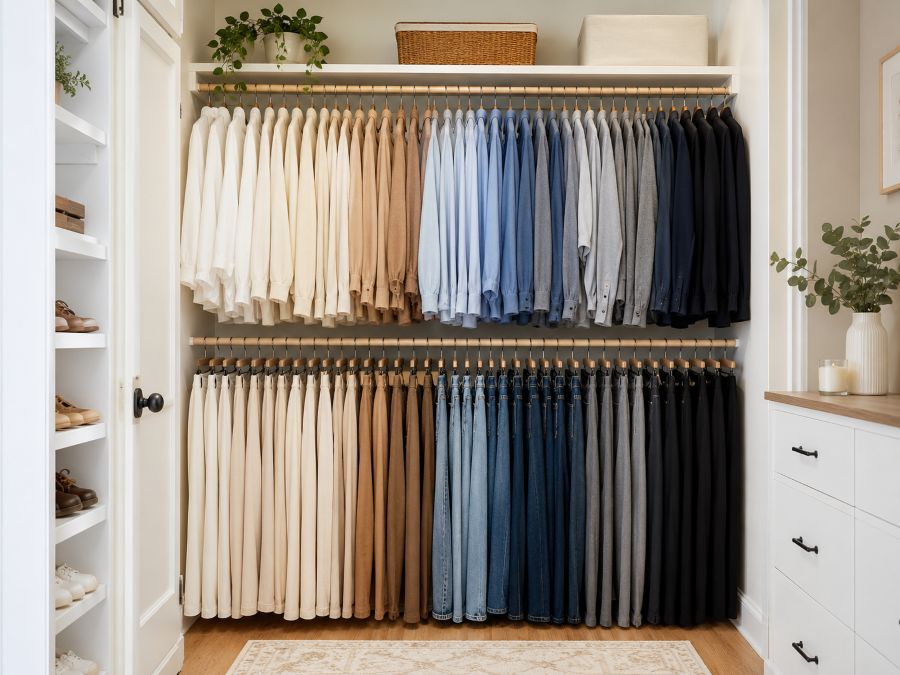
Installing a second hanging rod below your existing one is the simplest upgrade. Many stores sell adjustable double-hanging rod systems that install between the bottom of your current rod and the closet floor, creating two hanging levels where you previously had one. This works beautifully for shorter items like blouses, t-shirts, and cropped pants. Longer pieces like dresses and coats remain on the upper rod, creating an organized hierarchy that feels instantly more spacious.
Hanging Organization Best Practices
Once you have your hanging space optimized, organizing what hangs there is equally important. The most effective method combines functional categories with visual organization. Group similar items together—all blouses in one section, pants in another, dresses together—then arrange each category by color from light to dark. This creates a rainbow effect that’s visually appealing and makes finding specific items nearly automatic.
Invest in slim, velvet-lined hangers that take up half the space of traditional plastic hangers. These slim hangers are typically around 8 millimeters thick compared to standard hangers that measure 15+ millimeters. Over a closet full of clothes, this difference is remarkable. Additionally, velvet-lined hangers prevent slipping, so your clothes stay in perfect order and don’t create those telltale creases from sliding around.
Smart Small Space Tip: Consider the “30-degree angle” principle when hanging clothes. Hang items at a slight angle rather than perfectly straight to save space while keeping pieces visible and accessible. This small adjustment can fit approximately 10-15% more items in the same hanging space.
Shelving and Vertical Storage Solutions
Shelves transform closet space that’s otherwise wasted above your main hanging rod. Most closets have 12-18 inches of space above where hanging clothes end and the ceiling begins—perfect for installing floating shelves or using shelf risers. This overhead real estate is ideal for storing sweaters, bulky items, less-frequently worn pieces, and storage boxes.
If installing permanent shelves isn’t possible, adhesive shelf risers work exceptionally well in rental closets. These stackable shelf extenders create multiple horizontal surfaces on existing shelves, turning one shelf into two or three organized levels. Each level can be dedicated to a specific clothing category—folded sweaters on one level, activewear on the next, and accessories on another.
Organizing Shelved Items Effectively
Folded items on shelves benefit from the KonMari method’s file-folding technique, where clothes are folded into compact rectangles that stand upright rather than stacking flat. This approach allows you to see every item at once without disturbing the others—you simply pull out the specific piece you want. Shelf dividers keep folded stacks from toppling over and maintain neat organization even when items are frequently accessed.
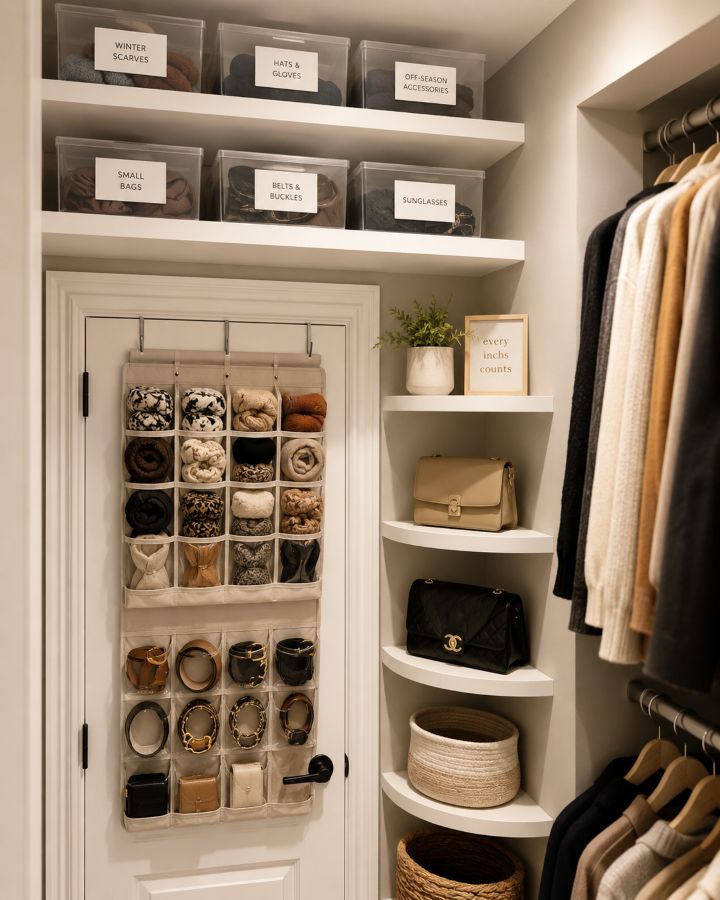
Consider using clear storage boxes on upper shelves for seasonal or less-used items. Labels on the outside make it immediately obvious what’s stored inside without opening boxes. A “summer dresses” box or “formal wear” container keeps special occasion items protected and organized while remaining accessible when needed.
Over-the-Door and Wall-Mounted Storage
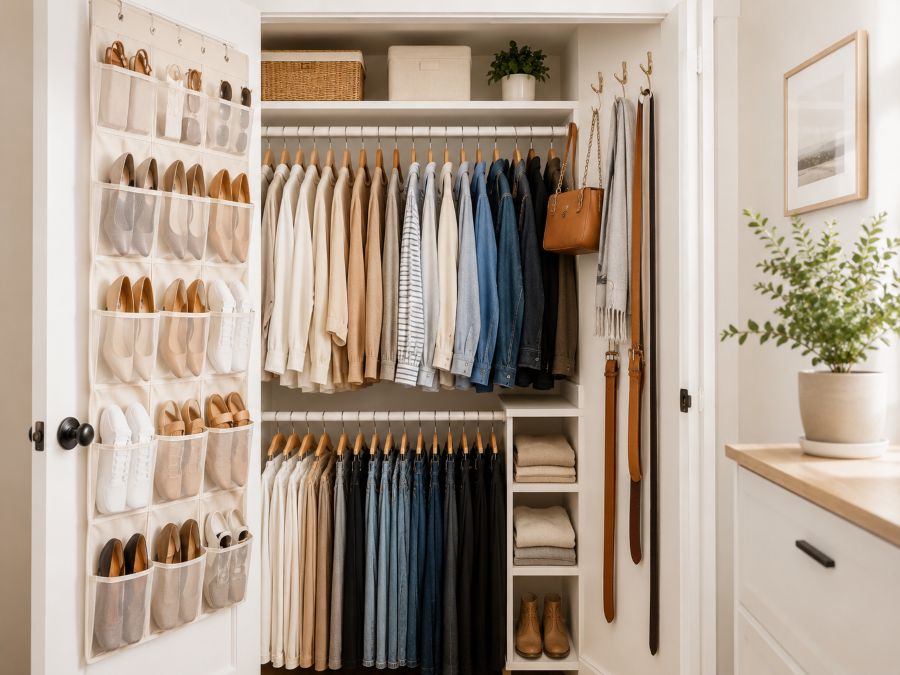
Every square inch counts in a small closet, and over-the-door organizers multiply your storage capacity instantly. These shoe holders, clear pocket organizers, and hanging systems use space that would otherwise remain empty. The inside of your closet door becomes valuable real estate for storing shoes, belts, scarves, and accessories.
Hanging shoe organizers with 12-24 clear pockets can hold shoes, rolled scarves, small bags, or accessories. Wall-mounted hooks and pegboards hold belts, bags, and hats while keeping them visible and easily accessible. Adhesive shelves stick directly to the inside of the door without requiring installation, offering additional surface space for perfume bottles, jewelry, or small storage containers.
Smart Solutions for Different Closet Layouts
Small closets come in various shapes and sizes, each presenting unique challenges and opportunities. Understanding your specific closet layout helps you implement solutions perfectly suited to your space.
| Closet Type | Primary Challenge | Best Solution |
|---|---|---|
| Narrow reach-in closet | Limited hanging width and deep shelves | Double hanging rods, pull-out baskets, corner organizers to maximize depth |
| Shallow closet | Items stick out past door frame | Slim hangers, thin shelf dividers, door storage for items that protrude |
| Walk-in with awkward angles | Wasted corner and sloped ceiling space | Custom shelving for corners, wall organizers for angled walls, utilize every usable inch |
| Closet under eaves | Sloped ceiling limits hanging height | Lower second hanging rod, shelf storage on tall wall side, rolling drawers for short wall side |
Drawer Dividers and Folding Systems
If your small closet includes drawers, organizing their interior multiplies usable space and prevents the chaotic jumble that wastes valuable room. Drawer dividers create compartments for different clothing categories, and proper folding techniques allow you to see all items at once without disturbing others.
Acrylic drawer organizers with adjustable dividers adapt to your specific clothing types. One drawer might contain undershirts subdivided into different colors, while another holds an organized selection of socks without creating a tangled mess. Rolling clothes instead of folding them also works beautifully in drawers, allowing vertical storage where you can see all colors and styles at once—similar to the file-folding method used on shelves.
Smart Small Space Tip: Rolling clothes instead of folding can increase drawer capacity by 30-40% while simultaneously making every item visible without restacking. This method works particularly well for t-shirts, shorts, and lightweight sweaters in small closet drawers.
Making the Most of Seasonal Storage
Small closets require strategic seasonal rotation. Unless you live somewhere with only one season, storing off-season items elsewhere is essential. Heavy winter coats take enormous closet space during summer, and lightweight summer dresses aren’t needed during freezing months. Rotating seasonal items keeps your active closet focused on what you’re actually wearing right now.
Vacuum storage bags compress bulky winter items to one-third their normal size, making them perfect for under-bed storage or closet shelves during off-season months. Clearly label bags with their contents and the season they represent. Store bags in cool, dry locations away from direct sunlight to protect fabrics. This rotation method has the added benefit of making you appreciate your wardrobe seasonally—summer clothes feel fresh and exciting when you rotate them back in spring.
Lighting and Visibility Improvements
A well-lit closet makes organization easier and helps you see all available items when selecting outfits. Poor lighting makes even organized closets feel chaotic and can lead to forgotten items pushed to the back. If your closet lacks adequate lighting, battery-powered LED strips or motion-activated closet lights provide affordable solutions that require no electrical work.
Proper lighting also makes organization maintenance easier—you’ll actually maintain your system if you can see it clearly. A brightly lit closet naturally encourages keeping it organized because disarray is immediately visible. Many people find they’re more motivated to maintain their closet systems when they can clearly see the results of their organization efforts.
FAQ: Small Closet Organization
How can I maximize a very small closet?
Maximize a small closet by using vertical space with double hanging rods, installing shelves above existing rods, adding over-the-door organizers, using slim hangers, and implementing drawer dividers. Declutter regularly and store seasonal items elsewhere to keep only current wardrobe pieces visible and accessible within your limited square footage.
What is the best way to organize clothes by category?
Organize clothes by category starting with a functional system: tops, bottoms, dresses, outerwear, and accessories. Within each category, arrange by color or season, depending on your preference. This method makes finding items easier, helps prevent duplicate purchases, and creates a visually cohesive closet that’s aesthetically pleasing to view.
Should I hang or fold clothes to save space?
Use a combination approach: hang items prone to wrinkles like blouses and dresses, and fold heavier pieces like sweaters and jeans. Folding is generally more space-efficient, but hanging items helps them stay visible and accessible. Drawer dividers and shelf organizers keep folded items efficiently organized and prevent chaotic searching.
What storage solutions work best for small closets?
Best solutions include slim hangers, shelf dividers, hanging organizers, vacuum storage bags for seasonal items, and multi-purpose furniture. Under-bed storage containers and wall-mounted shelves maximize vertical space. Consider tiered shelf organizers and file-folding methods for efficient organization that works with your specific closet layout.
Transform Your Small Closet Into a Functional Space
Small closet organization isn’t about rigid rules or perfect aesthetics—it’s about creating a system that works for your lifestyle while maximizing every available inch. Start with decluttering to remove items you don’t wear, then implement vertical storage solutions that work with your specific closet layout. Combine hanging space, shelving, drawer organization, and over-the-door storage to create a multi-layered approach that accommodates your entire wardrobe.
The most successful small closet organizations feel sustainable because they’re tailored to the individual’s actual habits and needs. A system that requires excessive maintenance or doesn’t reflect how you naturally get dressed will eventually fail. Your goal is creating an organized closet that makes selecting outfits faster, helps you appreciate and wear your existing wardrobe, and eliminates the frustration of searching through clutter.
Start with one or two organization solutions that address your biggest closet challenges, then gradually add additional systems as you see results. Small improvements compound over time, transforming even the tiniest closet into a space that feels organized, accessible, and functional. Your small closet doesn’t have to limit your style—with thoughtful organization, it can become the efficient, beautiful space you’ve always wanted.
ADeL A.A
ADeL A.A is a home décor and space optimization writer who believes every square foot matters. He spends his time researching, testing, and comparing smart storage ideas, multi-functional furniture, and practical layout solutions — always searching for the best ways to make compact homes feel bigger, brighter, and better organized.
View all articles by ADeL A.A →