Top 10 Small Space Storage Solutions: Maximize Your Home

Living in a small apartment or tiny home doesn’t mean you have to compromise on comfort and style. The key to transforming your limited square footage into a functional, organized space lies in implementing smart storage solutions. This comprehensive guide explores the top ten small space storage solutions that will revolutionize the way you live, helping you maximize every inch of your home while maintaining an aesthetically pleasing environment.
Small space living presents unique challenges that require creative and practical solutions. Whether you’re living in a studio apartment, micro-apartment, or tiny home, the struggle to find adequate storage without sacrificing style and comfort is real. However, with the right strategies and smart storage solutions, you can create a home that feels spacious, organized, and completely functional.
The secret to successful small space storage lies in understanding that every square inch counts. By implementing intelligent storage systems and utilizing often-overlooked spaces, you can significantly increase your storage capacity without expensive renovations or structural changes.
Video: Complete Guide to Small Space Storage Solutions
Watch our complete video guide covering all 10 storage solutions with visual demonstrations and expert tips for organizing your small space effectively.
1. Vertical Storage Systems: Reach for the Sky
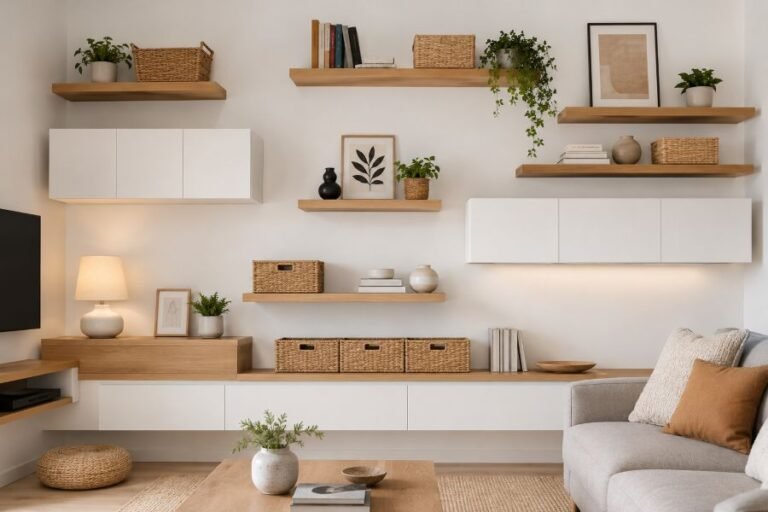
One of the most effective small space storage solutions is maximizing vertical space. Instead of spreading items horizontally across your limited floor space, consider investing in vertical storage systems that utilize your walls and ceilings. This approach immediately frees up valuable floor space while creating visual interest and depth in your rooms.
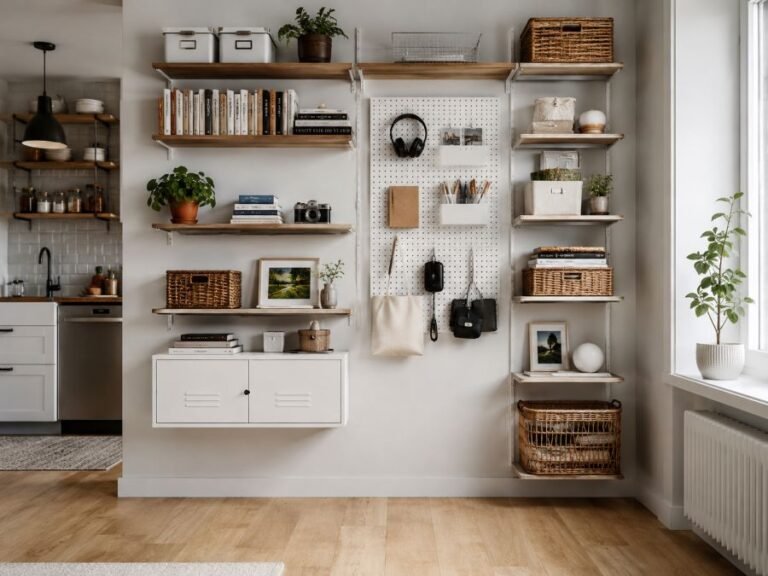
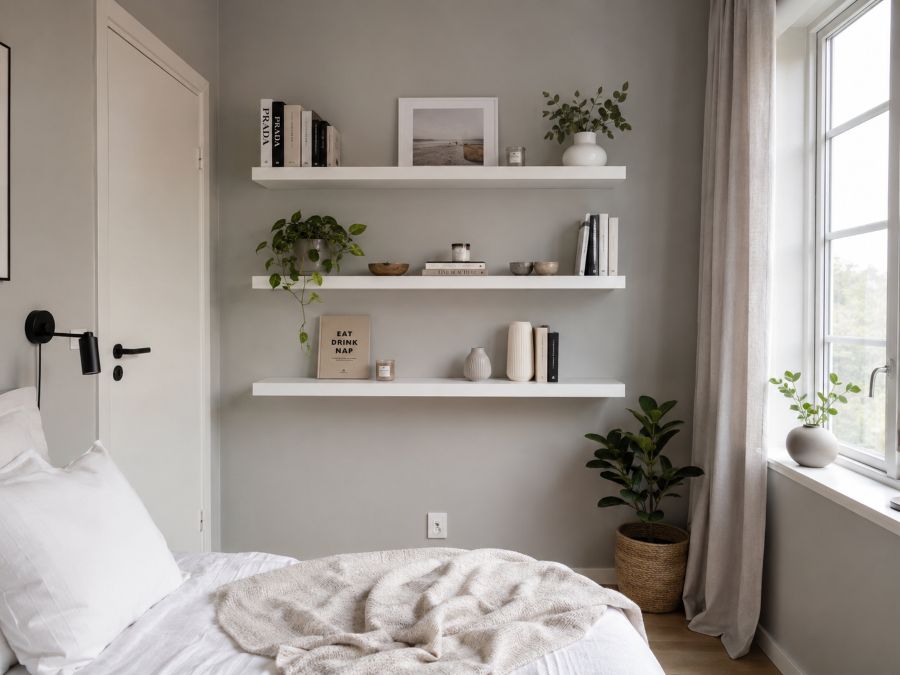
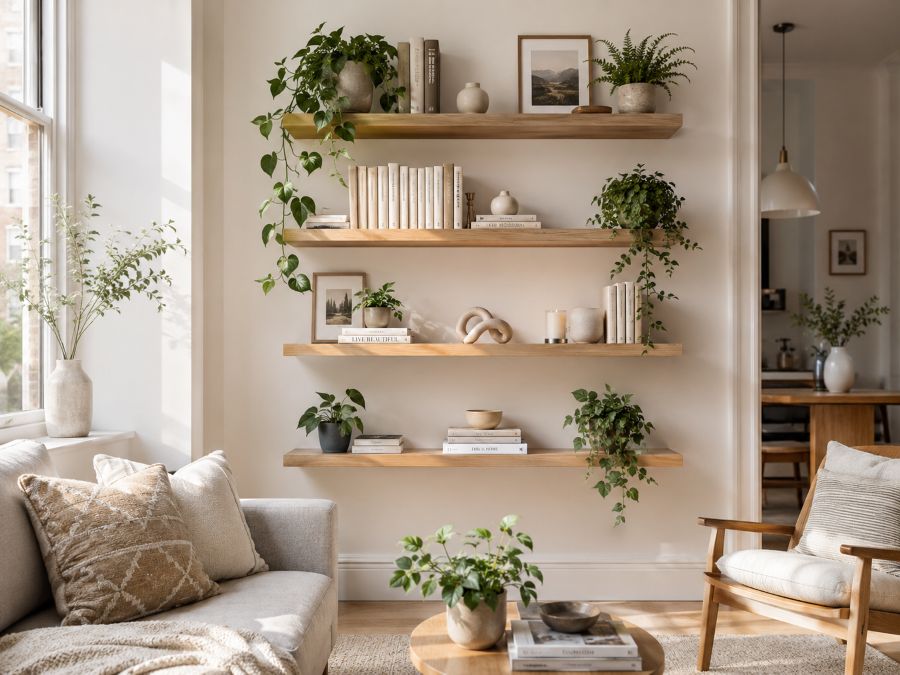
Vertical storage systems leverage unused wall space, making them perfect for apartments where floor space is precious. Floor-to-ceiling shelving units, wall-mounted organizers, and hanging storage solutions transform dead space into functional storage areas. Installing floating shelves above your desk, bed, or living room creates additional storage without requiring floor space.
Implementation Tips: Install shelves at varying heights for visual interest, use wall-mounted organizers in entryways and kitchens, consider floor-to-ceiling shelving for maximum storage, and combine open shelves with closed storage for balanced aesthetics.
2. Multi-Functional Furniture: Double Duty Design
Multi-functional furniture represents a game-changing approach to small space storage solutions. Rather than purchasing separate pieces for different purposes, strategic furniture selection allows each item to serve multiple functions, significantly reducing clutter while maximizing functionality.
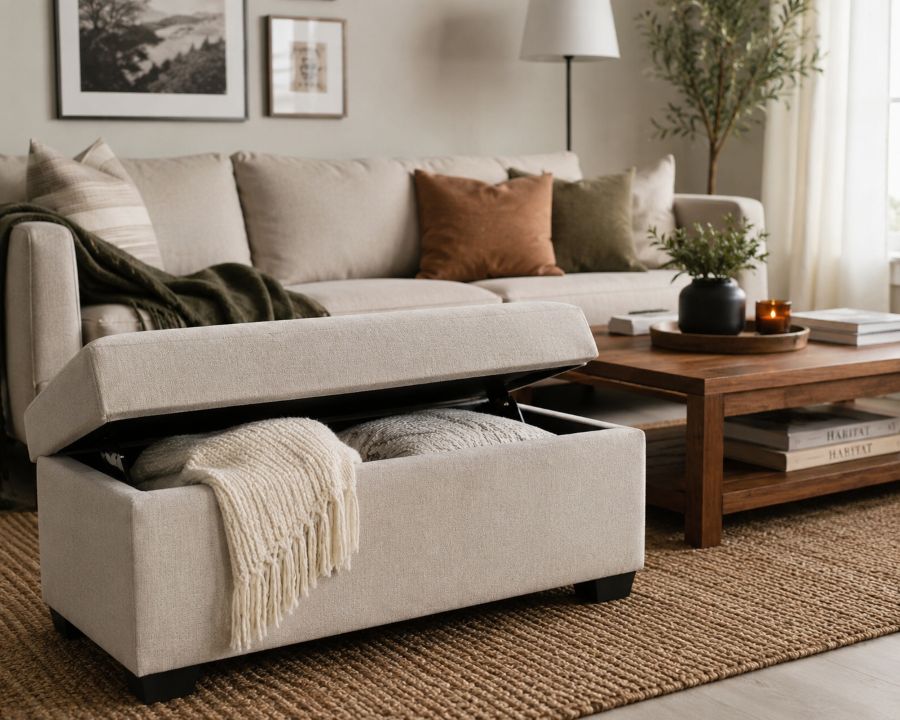
Ottomans with hidden storage compartments, bed frames with built-in drawers, and coffee tables with shelving combine comfort with functionality. Sofa beds are particularly valuable in studio apartments, serving as seating during the day and sleeping surfaces at night. Storage benches at the foot of beds provide both seating and organized storage for blankets, pillows, and seasonal items.
Popular Options: Bed frames with built-in drawers, ottoman storage cubes, coffee tables with shelves, console tables that double as desks, and Murphy desks that fold away when not in use.
3. Under-Bed Storage: Hidden Potential Below
The space beneath your bed represents one of the most underutilized storage areas in small homes. Implementing under-bed storage solutions transforms this wasted space into valuable storage capacity for seasonal items, extra bedding, and other belongings you don’t need daily access to.
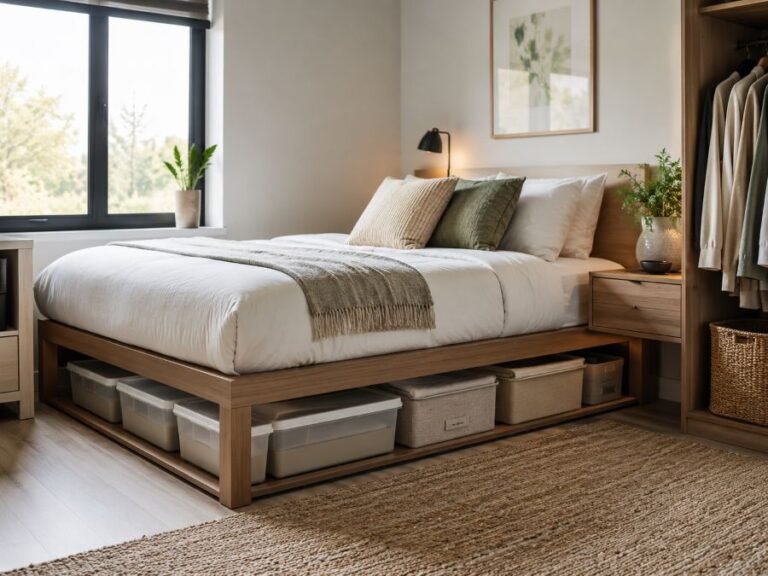
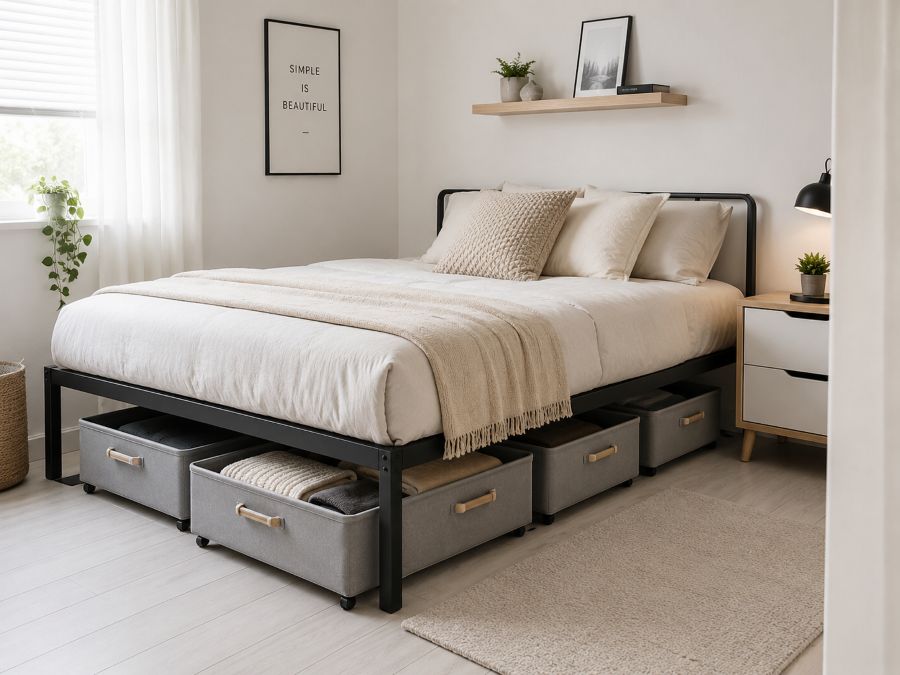
Flat storage containers designed specifically for under-bed use make optimal use of this space. Rolling storage units allow easy access to items without requiring you to move the bed. By keeping seasonal clothing, extra linens, and out-of-season items under the bed, you free up valuable closet and cabinet space for everyday necessities.
The key to effective under-bed storage is selecting containers that fit snugly but allow for easy sliding and access. Clear containers are particularly beneficial as they allow you to see contents without opening them, making items easier to locate. Labels and organization systems ensure that stored items remain accessible and properly maintained.
4. Wall-Mounted Shelving and Organizers: Functional Décor
Wall-mounted shelving and organizers represent some of the most versatile small space storage solutions available. These systems allow you to customize your storage layout based on your specific needs while maintaining a clean, organized appearance that enhances rather than clutters your space.
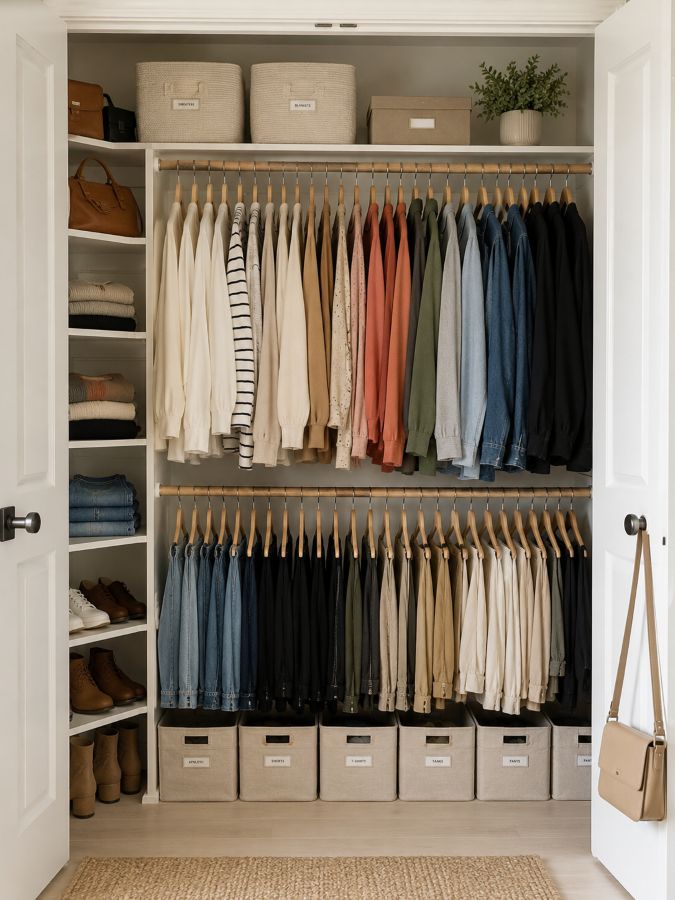
Modern wall-mounted organizers go far beyond simple shelves. Magnetic strips hold kitchen tools, pegboards organize craft supplies and tools, and specialized organizers address specific storage needs. In kitchens, wall-mounted spice racks and utensil holders maximize vertical space while keeping frequently used items easily accessible.
In bathrooms, wall-mounted shelves and organizers keep toiletries organized and accessible without requiring under-sink cabinet space. Entryways benefit from wall-mounted coat racks, shoe organizers, and mail holders that create a functional, organized arrival space. The versatility of wall-mounted systems makes them applicable to virtually every room in your home.
5. Closet Organization Systems: Maximize Every Inch
Closets are often the largest storage areas in small homes, making their efficient organization critical to overall space management. Strategic closet organization systems transform chaotic storage into a streamlined, accessible space that maximizes storage capacity while making finding items simple.
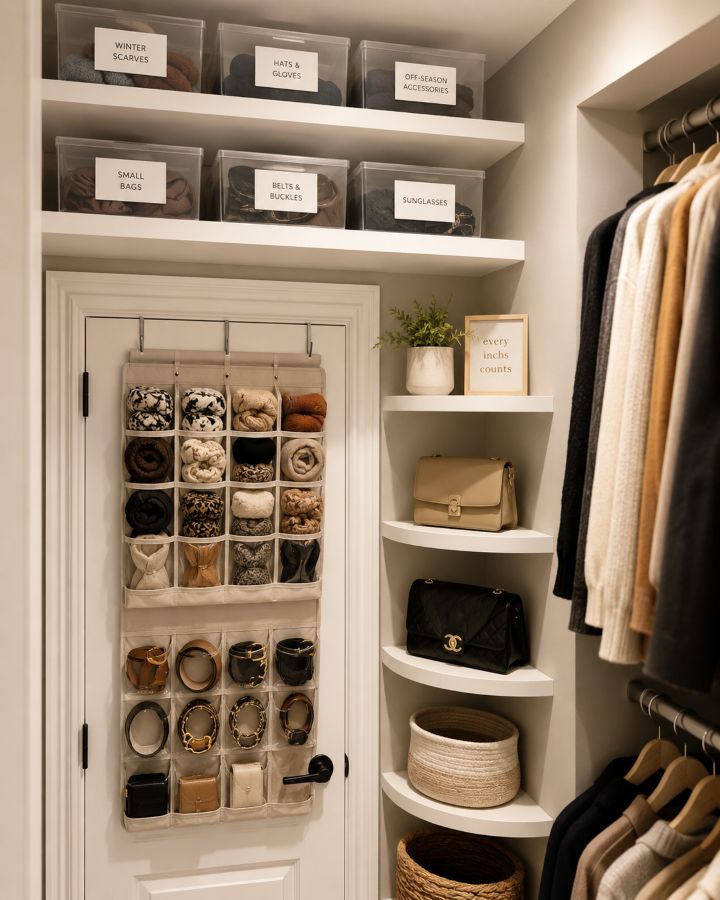
Implementing double hanging rods instantly doubles your hanging space. Shelf dividers keep stacks organized and prevent tumbling. Over-door organizers add storage without taking up closet floor space. Vertical storage solutions within closets, including hanging organizers and stackable bins, make efficient use of available space.
Seasonal rotation is essential in small closet spaces. During off-seasons, store out-of-season clothing in vacuum-sealed bags on high shelves, freeing valuable space for current-season items. This approach ensures your closet contains only items you actually wear during the current season, dramatically improving accessibility and organization.
6. Kitchen Storage Solutions: Streamlined Cooking Spaces
Kitchen storage presents particular challenges in small homes due to the quantity of items required for cooking and food storage. However, strategic kitchen storage solutions keep everything accessible while maintaining a clutter-free cooking environment that feels larger and more pleasant to work in.
Pull-out organizers and sliding shelves transform deep cabinets into accessible storage. Drawer dividers keep utensils organized and easily locatable. Wall-mounted magnetic strips hold knives and metal utensils, freeing drawer space. Overhead pot racks and hanging shelves store frequently used items while adding industrial charm.
Vertical dividers in cabinets keep baking sheets and cutting boards organized. Lazy Susans in corner cabinets make accessing items in deep spaces simple. Clear containers for dry goods allow you to see inventory levels while keeping items fresh and organized. These systems collectively transform kitchens into highly functional, space-efficient cooking areas.
7. Smart Storage Containers: Organization with Style
The right storage containers are fundamental to small space organization. Beyond simple functionality, attractive containers make stored items visible and accessible while contributing to your home’s overall aesthetic. Investing in quality, stylish containers transforms organization from a necessary task into an opportunity for interior design expression.
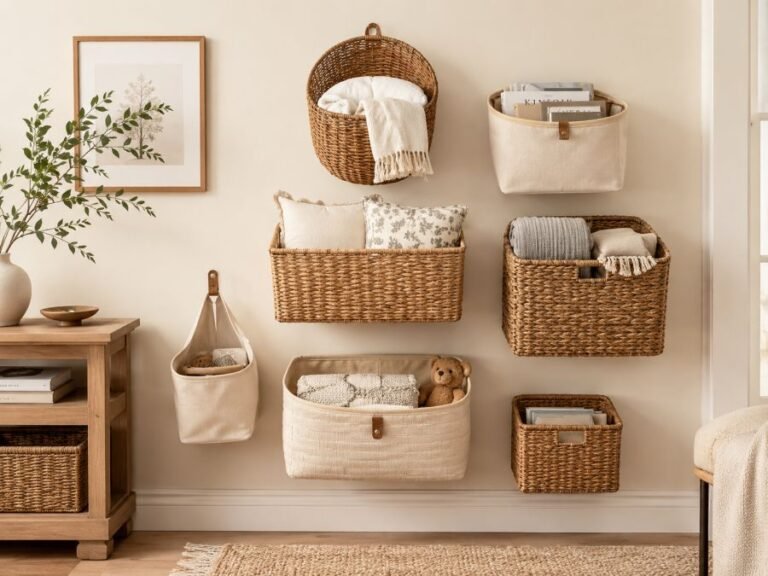
Uniform containers create a cohesive, organized appearance that makes spaces feel larger and more intentional. Transparent containers allow quick visual identification of contents without opening every box. Labeled containers ensure family members and future you can easily locate stored items. Stackable designs maximize vertical space while keeping items accessible.
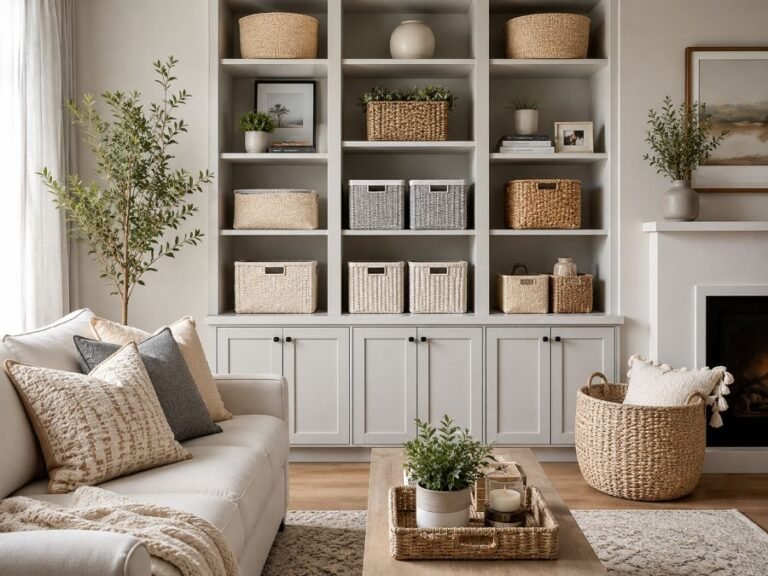
Baskets serve double duty as both storage and décor, particularly effective in living spaces and bedrooms. Clear plastic containers work well in closets and under beds where appearance matters less than accessibility. Fabric organizers add softness to spaces while providing hidden storage. The key is selecting containers that match your organizational needs while complementing your home’s design aesthetic.
8. Door and Wall Space Maximization: Zero Waste Storage
Every door, wall space, and corner represents potential storage opportunity in small homes. Maximizing these often-overlooked areas dramatically increases available storage without consuming valuable floor space or requiring furniture additions.
Over-the-door organizers provide storage without floor space consumption. Wall hooks turn blank walls into coat and bag storage. Corner shelves utilize often-wasted corner spaces. Narrow wall-mounted organizers fit perfectly in gaps between furniture. This comprehensive space optimization approach ensures nothing is overlooked or wasted.
The beauty of maximizing door and wall space is that these additions are typically renter-friendly, requiring no permanent modifications. Using hooks, adhesive organizers, and over-the-door systems allows apartment dwellers to create functional storage without losing security deposits.
Space Optimization: Look beyond traditional furniture placement and consider every wall, door, and corner as potential storage opportunity. Over-the-door organizers and wall-mounted systems provide significant storage without requiring floor space.
9. Vertical Garden and Hanging Storage: Living Solutions
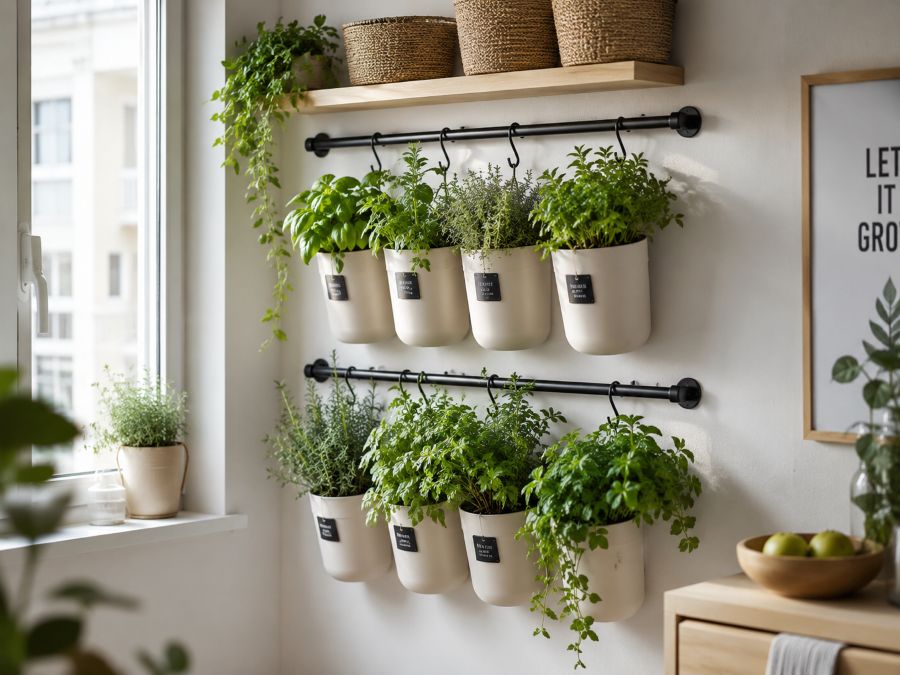
Vertical gardens and hanging storage systems represent innovative solutions that combine storage with fresh aesthetics. These systems allow you to grow herbs and plants while simultaneously freeing floor space and creating visual interest in your small home.
Wall-mounted planters serve as both decoration and storage for fresh herbs, improving your cooking while using minimal space. Hanging baskets and pocket organizers combine plant storage with general storage items. Pegboards with hanging hooks allow flexible arrangement that accommodates changing needs. This approach brings life to small spaces while maximizing functionality, creating spaces that feel vibrant, intentional, and larger than they actually are.
10. Digital Organization and Decluttering: The Foundation of Storage
Before implementing any physical storage solution, establishing a strong foundation through decluttering and digital organization is essential. Many small space storage challenges stem from excessive possessions rather than inadequate storage capacity. Strategic decluttering creates space while making your stored items more accessible and valuable.
The KonMari method, the 80/20 rule, and other decluttering approaches help identify what you actually use and value. Implementing a “one in, one out” policy prevents future clutter accumulation. Digital photo documentation of important items before donating them creates memories without physical clutter.
Once you’ve reduced possessions to essential, valued items, storage solutions become exponentially more effective. A streamlined wardrobe fits easily in small closets. Kitchen items for actual cooking need less storage than duplicate gadgets you never use. The foundation of successful small space living is keeping only items you use, love, and need.
Conclusion: Creating Your Dream Small Space
Small space living doesn’t require sacrificing comfort, style, or functionality. By implementing these ten small space storage solutions, you can transform your apartment or tiny home into an organized, beautiful space that feels spacious and welcoming. The key is combining physical storage solutions with thoughtful decluttering and organization systems that work with your lifestyle.
Remember that small space storage is not a one-size-fits-all solution. Your optimal combination of strategies depends on your specific space, lifestyle, and design preferences. Experiment with different systems, remain flexible, and continuously refine your approach based on what works best for your home.
Whether you’re just starting your small space journey or looking to improve an existing setup, these solutions provide a comprehensive toolkit for maximizing every inch of your home. Start with one or two solutions that address your most pressing storage challenges, then build from there. Soon you’ll discover that small spaces, when properly organized and thoughtfully designed, can feel remarkably spacious and completely functional.
ADeL A.A
ADeL A.A is a home décor and space optimization writer who believes every square foot matters. He spends his time researching, testing, and comparing smart storage ideas, multi-functional furniture, and practical layout solutions — always searching for the best ways to make compact homes feel bigger, brighter, and better organized.
View all articles by ADeL A.A →