Your Quiet Escape: Ideas for Introverts Who Need Stillness

For many introverts, quiet is not a luxury but a way of recharging. After a busy day full of conversations, noise, and constant input, stillness is what restores energy and clears the mind. Yet our homes are often arranged for activity and togetherness, leaving little room for the calm an introvert quietly craves. The good news is that you do not need a spare room or a remote cabin to build a true escape — you only need a little intention and a few thoughtful choices.
This guide offers practical, gentle ideas for creating a quiet escape at home, whatever your square footage or living situation. We will look at how to claim a restful spot, soften the sensory load, manage sound, and set kind boundaries even in a shared home. The goal is simple: a corner of the world that lets you exhale, slow down, and return to yourself whenever you need to.
Introversion is simply a temperament, a preference for lower-key, less stimulating environments where the mind can settle. There is nothing to fix about needing quiet; it is how many people naturally refuel. The challenge is that modern homes and busy households rarely make space for it by default. By designing even a small part of your home around calm rather than activity, you give yourself a reliable place to step out of the noise. Let us begin with the foundation of any quiet escape: a spot to call your own.
Claim a Spot, However Small
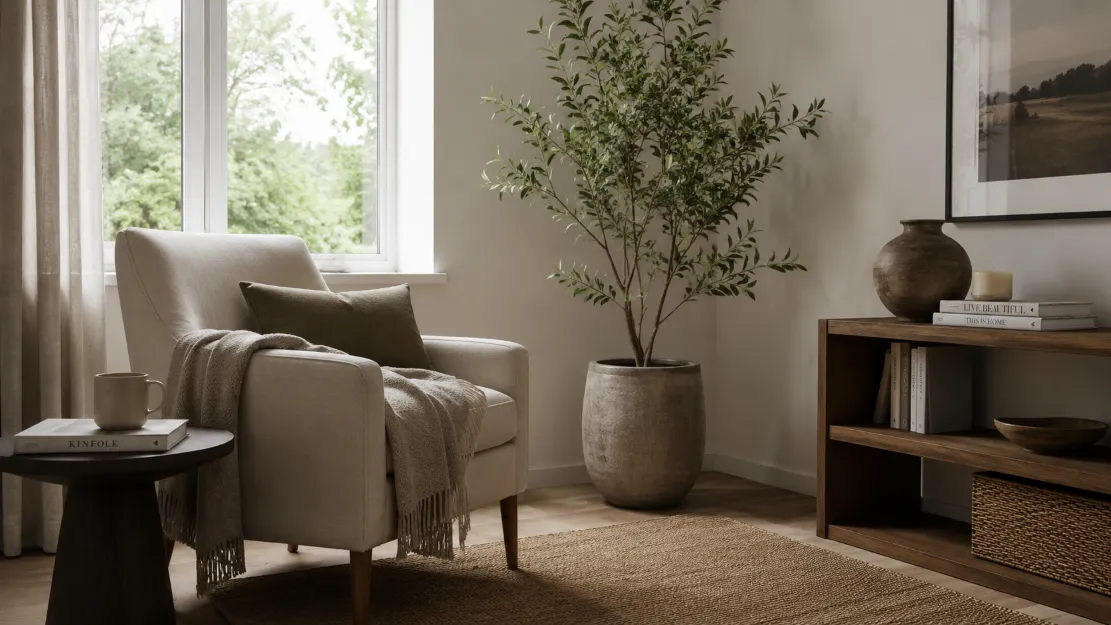
The first step is deciding that a quiet escape deserves a place in your home, and then choosing where it will live. It does not have to be large or separate. A single armchair by a window, a cushion in an unused corner, a window seat, or the quiet end of a bedroom can all become your retreat. What matters is that the spot feels a little removed from the busiest, loudest parts of the home — away from the front door, the kitchen, and the flow of foot traffic.
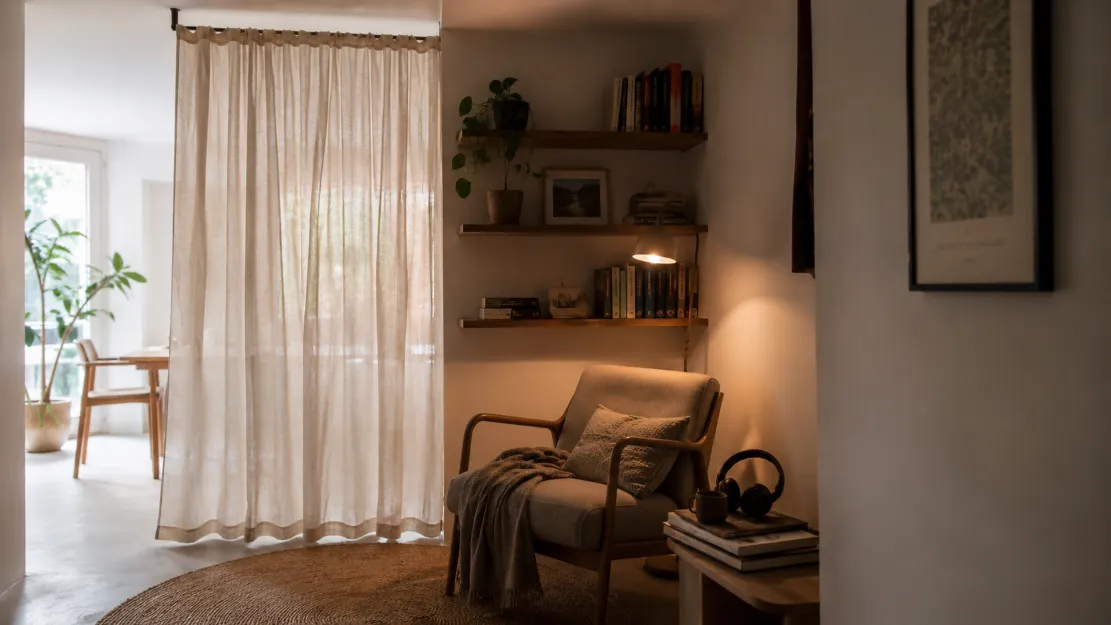
Once you have chosen the place, mark it as distinct so your mind learns to associate it with rest. A small rug underfoot, a chair angled away from the activity, or a plant beside you can quietly define the zone without any building work. This subtle boundary is powerful: it signals, every time you settle in, that this is where you slow down. In a compact home, where rooms tend to serve many purposes, even a clearly defined chair can do the work of an entire room.
Soften the Sensory Load
For anyone who finds overstimulation draining, the feel of a space matters enormously. A quiet escape should engage the senses gently rather than bombard them, so the aim is to dial everything down a notch. Start with the visual: clear away clutter and busy patterns, and choose a muted, cohesive palette of soft, calming tones. A room with too much going on visually keeps the mind subtly working, while a calm, uncluttered scene lets it rest.
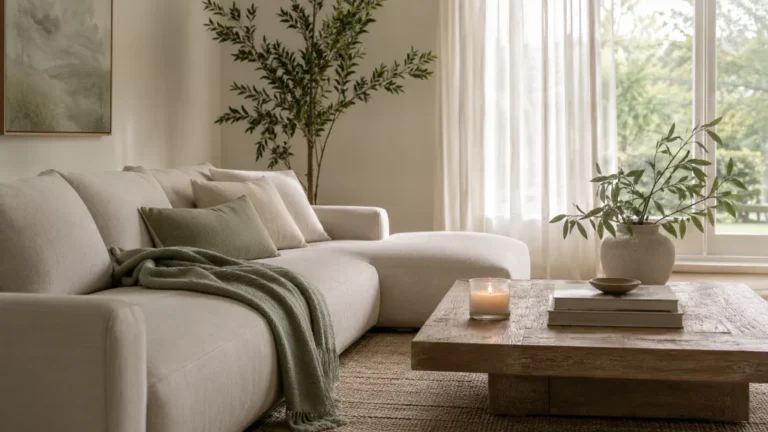
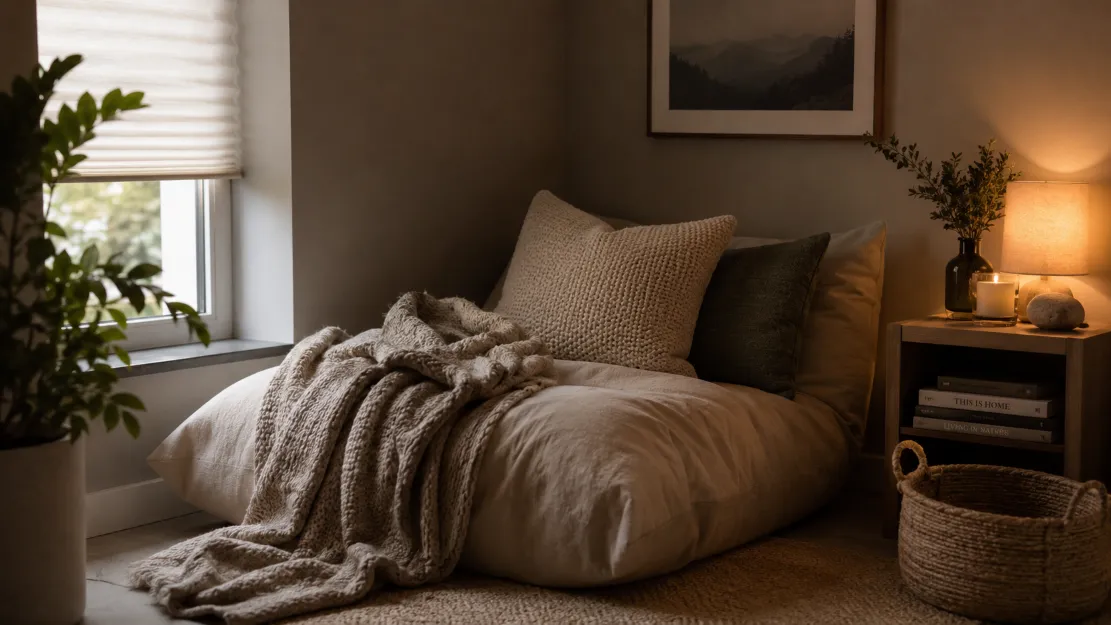
Lighting is the next lever, and it is one of the most effective. Swap harsh overhead glare for soft, warm, low-level light — a small lamp, a candle, or a gentle string of lights. Warm light soothes the nervous system and signals that it is time to unwind, which is exactly the mood a quiet escape needs. Then layer in comforting textures: a soft throw, a cushion, a natural fiber rug. Touch is grounding, and a tactile, cocoon-like spot feels safe and restorative in a way a stark one never can.
Manage Sound and Stillness
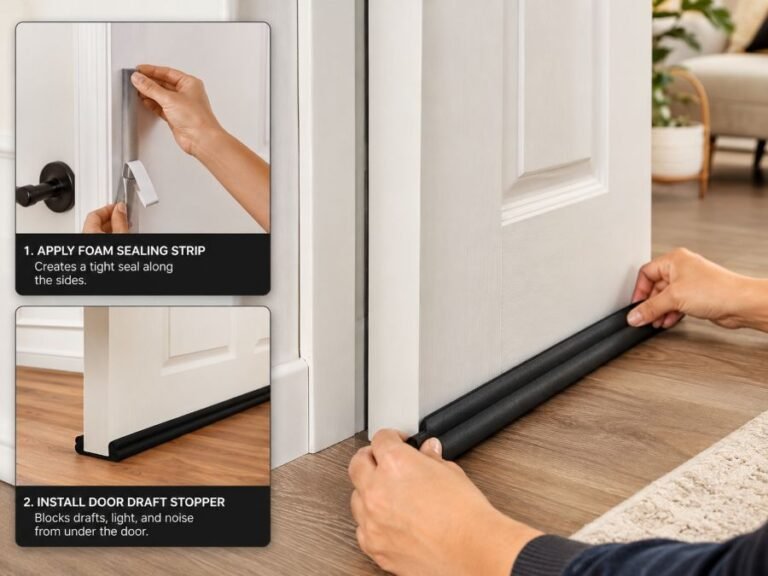
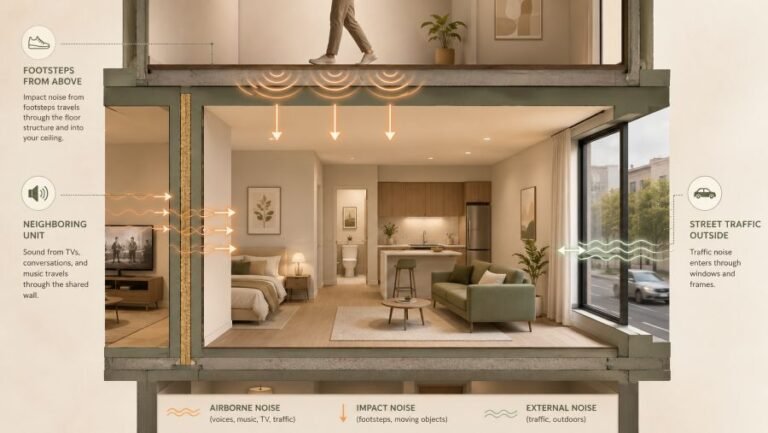
For introverts, noise is often the most tiring kind of stimulation, so a quiet escape is as much about what you hear as what you see. Begin by softening the acoustics of your spot. Soft furnishings — rugs, curtains, cushions, and throws — absorb sound and take the sharp edge off a room, making it feel calmer and more enclosed. Even a few added textiles can noticeably reduce echo and hard, jarring noise in a compact space.
When silence is not fully within your control, gentle background sound can create a sense of stillness instead. Soft, steady audio can mask unpredictable noise that pulls at your attention, helping the space feel peaceful. Consider these approaches to shaping your soundscape:
- Add soft furnishings like rugs, curtains, and cushions to absorb sound and reduce echo.
- Use comfortable headphones for a personal pocket of quiet whenever you need it.
- Play gentle background sound, such as soft ambient tones or nature sounds, to mask jarring noise.
- Choose the quietest hours of the day or corners of the home for your stillness rituals.
- Keep notifications away so unexpected pings do not break the calm.
Build a Restful Ritual
A quiet escape becomes most valuable when visiting it turns into a habit. Pairing your spot with a simple, repeated ritual gives your mind a clear signal that it is time to switch off, and it makes the calm easier to reach for. The ritual can be anything that feels restorative to you rather than demanding — the point is gentle, low-effort restoration, not productivity. Many introverts find that an unhurried, screen-light activity is the fastest path back to feeling settled.
You might keep a book or two within reach, a journal for unstructured reflection, or a small tray for a slow cup of tea. Some people prefer simply sitting in quiet, breathing slowly, or gazing out of a window. Keeping a phone in another room during these moments protects the stillness from the constant pull of notifications. Over time, even ten quiet minutes in your escape can become a dependable reset — a small daily practice that helps you meet the rest of your life with more energy.
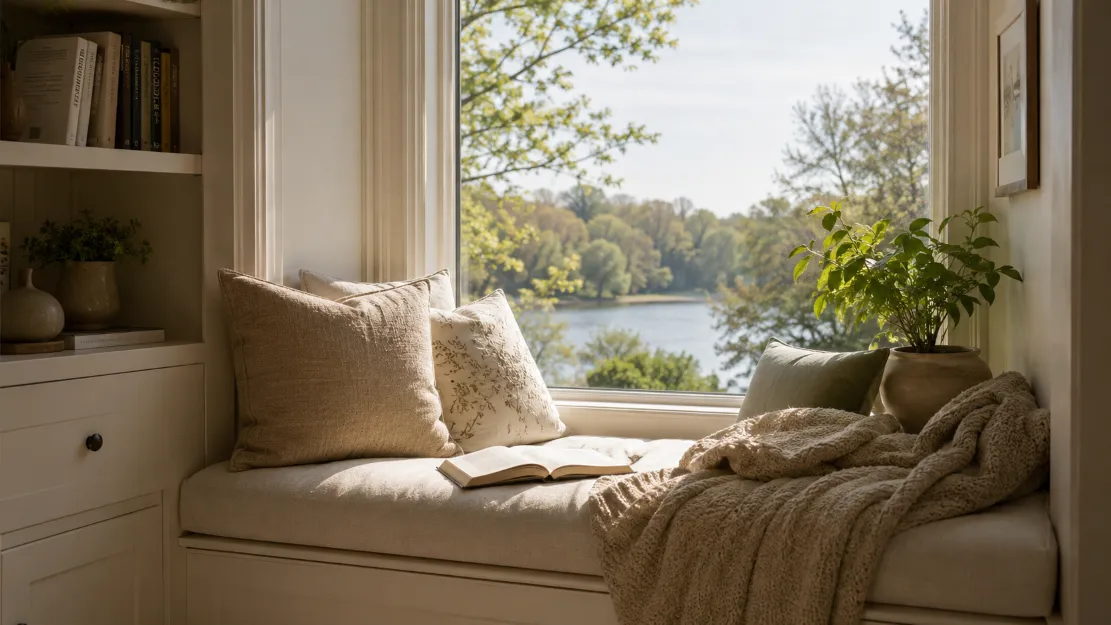
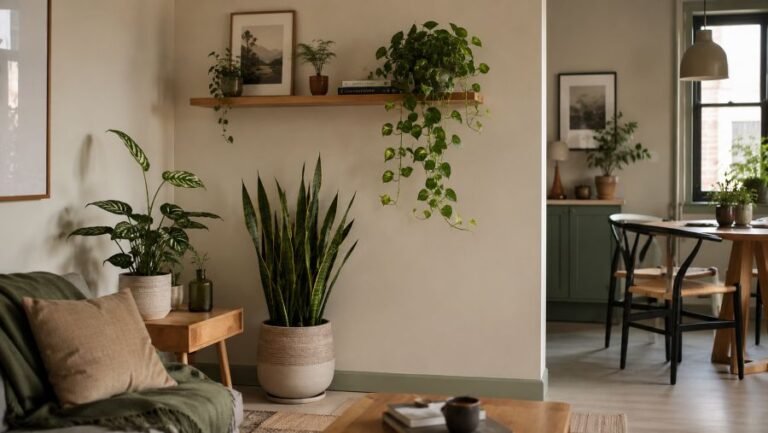
Smart Small Space Tip: Bring a touch of nature into your escape. A single healthy plant, a vase of greenery, or a clear view to the outdoors has a quiet, grounding effect that many people find deeply calming. In a compact home, even one small plant beside your chair can soften the space and reinforce the sense of a restful retreat.
Finding Quiet in a Shared Home
One of the biggest challenges for introverts is needing stillness while living with others. The solution combines a physical spot with a gentle, agreed-upon signal. Define your nook with a light divider, a curtain, a folding screen, or simply a chair that faces away from the household’s activity, so you have a place that reads as yours. This visual separation helps both you and others recognize the space as a retreat.
Just as important is communicating your need for quiet kindly and clearly. A simple cue — wearing headphones, closing a door, or a quick word that you are recharging — helps housemates or family understand without anyone feeling shut out. Framing it as something that helps you show up better afterward, rather than a rejection, makes these boundaries easier for everyone. When silence is not possible, noise-reducing headphones with soft sound can carve out a personal pocket of calm even in a lively home.
A Quick Quiet-Escape Checklist
If you are ready to create your own, the table below gathers the essential elements and the role each plays, so you can build a complete escape without overlooking anything.
| Element | Example | Why It Helps |
|---|---|---|
| A defined spot | Chair by a window, quiet corner | Gives stillness a dependable home |
| Calm visuals | Muted palette, minimal clutter | Lets the mind rest, not work |
| Soft lighting | Warm lamp, candle, low light | Soothes and signals downtime |
| Sound control | Soft furnishings, headphones | Reduces tiring, jarring noise |
| A gentle boundary | Divider, curtain, agreed cue | Protects quiet in a shared home |
Mistakes to Avoid
A few easy slips can keep a quiet escape from delivering the calm you are after. Watch for these as you set yours up:
- Choosing a busy location. A nook beside the kitchen or front door rarely feels restful. Favor a quieter, lower-traffic spot.
- Letting clutter creep in. Visual mess keeps the mind subtly busy. Keep the space clear and only lightly furnished.
- Using harsh lighting. Bright overhead light works against stillness. Keep it soft, warm, and low.
- Ignoring sound. A visually calm spot can still be ruined by noise. Soften the acoustics and have headphones ready.
- Skipping boundaries in a shared home. Without a clear signal, interruptions undo the calm. Agree on a simple cue with others.
When you bring these pieces together — a defined spot, calming visuals, soft light, managed sound, and gentle boundaries — you create something genuinely valuable: a reliable place to find stillness whenever the day asks too much. For introverts especially, that retreat is not about withdrawing from life but about restoring the energy to engage with it fully. A small, intentional escape can change how the whole home feels, and how you feel within it.
Creating a quiet escape is one of the kindest things you can do for yourself if stillness is how you recharge. Claim a spot, soften the senses, tame the noise, build a small ritual, and protect the space with gentle boundaries. None of it requires much room or money — only the recognition that your need for quiet is valid and worth designing for. Give yourself that corner of calm, and you will always have somewhere to return to when the world grows loud.
FAQ: Quiet Escape Ideas for Introverts
How can introverts create a quiet space at home?
Start by claiming one spot, however small, as a low-stimulation retreat, then reduce the sensory load around it: clear visual clutter, soften lighting, add calming textures, and manage noise with soft furnishings or gentle background sound. Even a single chair in a quiet corner, set apart with a rug or a plant, can become a restorative escape when it is intentionally calm.
What makes a space feel calming and low-stimulation?
Calming spaces tend to share a few traits: a muted, cohesive color palette, soft and warm lighting rather than harsh overhead glare, natural textures and materials, minimal visual clutter, and controlled sound. Engaging the senses gently rather than overwhelming them is the key, so the space feels restful the moment you settle into it.
How do you find quiet time in a shared home?
Combine a physical spot with a gentle signal. Define a personal nook using a divider, curtain, or simply a chair that faces away from the activity, and agree on a simple cue with housemates or family, such as closed headphones or a closed door, that means you are recharging. Noise-reducing headphones and quiet background sound can also help when complete silence is not possible.
Does a quiet escape need a whole room?
Not at all. The most effective escapes are often a single, intentional corner rather than a separate room. What matters is that the spot feels set apart, calm, and comfortable, with soft light, low noise, and minimal clutter. A well-designed nook can offer just as much restoration as a dedicated room, which makes the idea perfect for compact homes.
Bringing It All Together
Your quiet escape is proof that stillness can be built into any home, no matter how small or how full of people. By claiming a spot, softening the light and visuals, managing sound, adding a grounding touch of nature, and protecting the space with kind boundaries, you give yourself a dependable place to slow down and recharge. For introverts who draw their energy from calm, that small sanctuary is not an indulgence but a form of care — a quiet corner that helps you meet the rest of life feeling more like yourself.
ADeL A.A
ADeL A.A is a home décor and space optimization writer who believes every square foot matters. He spends his time researching, testing, and comparing smart storage ideas, multi-functional furniture, and practical layout solutions — always searching for the best ways to make compact homes feel bigger, brighter, and better organized.
View all articles by ADeL A.A →