Easy Feng Shui for Homes with Less Square Footage

Feng shui is often imagined as something for grand houses with sweeping rooms and perfect symmetry. In truth, the opposite is closer to the mark: its principles shine brightest in homes with less square footage, where every choice carries more weight and a calm, well-ordered space matters most. You do not need more rooms to bring balance and ease into your home — you need a thoughtful approach to the rooms you already have.
This guide translates the ancient practice into easy, practical steps for compact living. We will keep the mysticism light and the usefulness high, focusing on the timeless ideas — clearing clutter, arranging key furniture wisely, inviting in light and air, and keeping energy flowing — that genuinely make a small home feel calmer and more harmonious. Whether or not you take every belief literally, these principles are simply good design that supports how you feel at home.
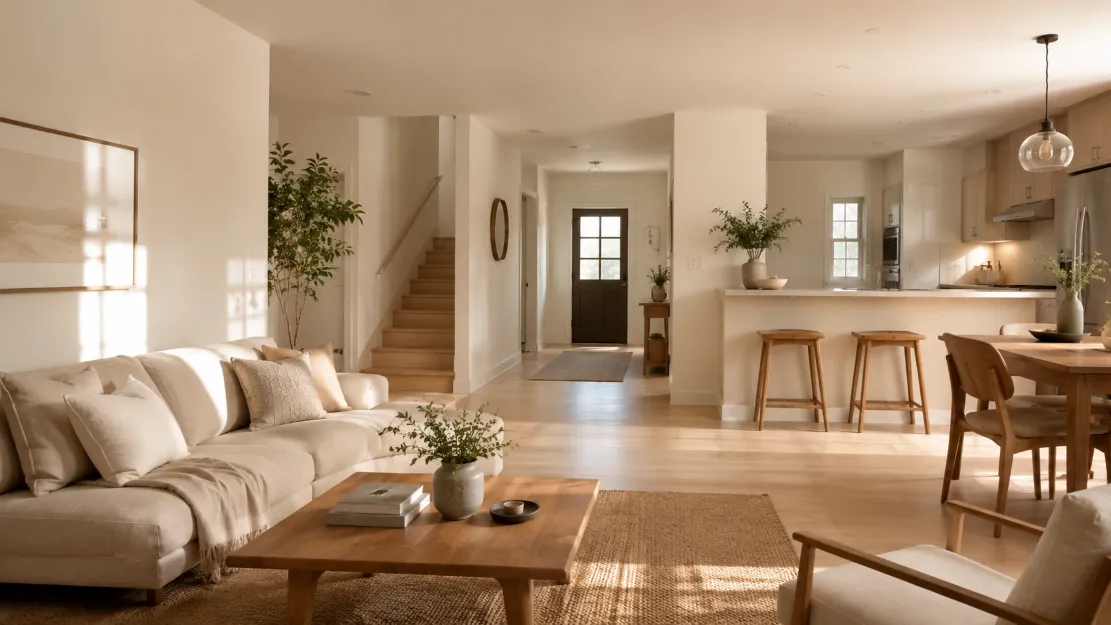
At its heart, feng shui is the practice of arranging your surroundings to support the smooth flow of energy, often called chi, and through it your own sense of wellbeing. Practitioners believe that when energy moves freely through a home, it brings a feeling of balance, clarity, and ease, and when it is blocked or stagnant, a space can feel heavy or chaotic. You do not have to accept every traditional belief to benefit, because the practical result of following these ideas — an uncluttered, light, intentionally arranged home — feels good to almost everyone. Let us start where feng shui itself always begins.
Start With Decluttering: Clear Space, Clear Mind
In feng shui, clutter is seen as one of the biggest obstacles to good energy. Piles of belongings are believed to trap and stagnate chi, and in a compact home they do something even more obvious — they physically crowd the space and weigh on the mind. This makes decluttering the single most powerful and beginner-friendly step you can take. Before rearranging a single piece of furniture, clear your surfaces, tidy your walkways, and let go of what you no longer use.
The goal is not stark emptiness but breathing room. Aim for clear floors, calm surfaces, and storage that hides everyday mess out of sight, so the eye can rest. In a small home this has an immediate, visible payoff: the space looks larger, feels lighter, and instantly seems more peaceful. Work through it room by room, keep only what you love or use, and give everything a designated home. With the clutter gone, the energy — and your attention — can flow freely again.
The Commanding Position: Where to Place Key Furniture
One of feng shui’s most practical principles is the commanding position. The idea is to place your most important furniture — above all the bed, but also the desk and main sofa — so that you can see the door to the room without sitting directly in line with it. Diagonally across from the entrance is the classic spot. Practitioners believe this position gives you a subconscious sense of safety and control over your space, and in everyday terms, it simply makes a room feel more settled and secure.
In a compact home, achieving the perfect commanding position can take a little creativity, since walls, windows, and tight layouts limit your options. If you cannot face the door directly, a small mirror positioned so you can see the entrance from your bed or desk is a traditional workaround. The principle to remember is this: you want to feel grounded and aware, never startled or with your back exposed to the doorway. Arranging just your bed and your main seat this way can shift how the entire home feels.
Keep Energy Flowing: Pathways and the Entryway
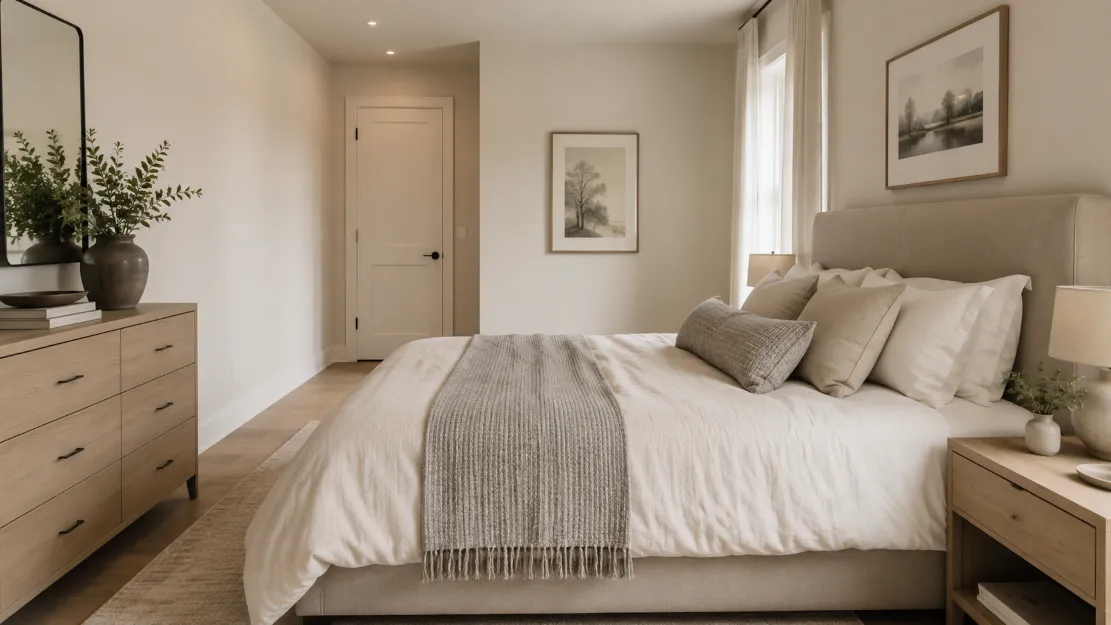
Feng shui places great importance on the free movement of energy through a home, and nothing supports that more than clear pathways. Make sure you can walk easily from room to room and around your furniture without squeezing past obstacles or stepping over things. In a small home this is doubly beneficial, since open walkways both encourage good flow and make the space feel larger and more comfortable to move through. If a piece of furniture constantly blocks your path, that is a sign to move or rethink it.
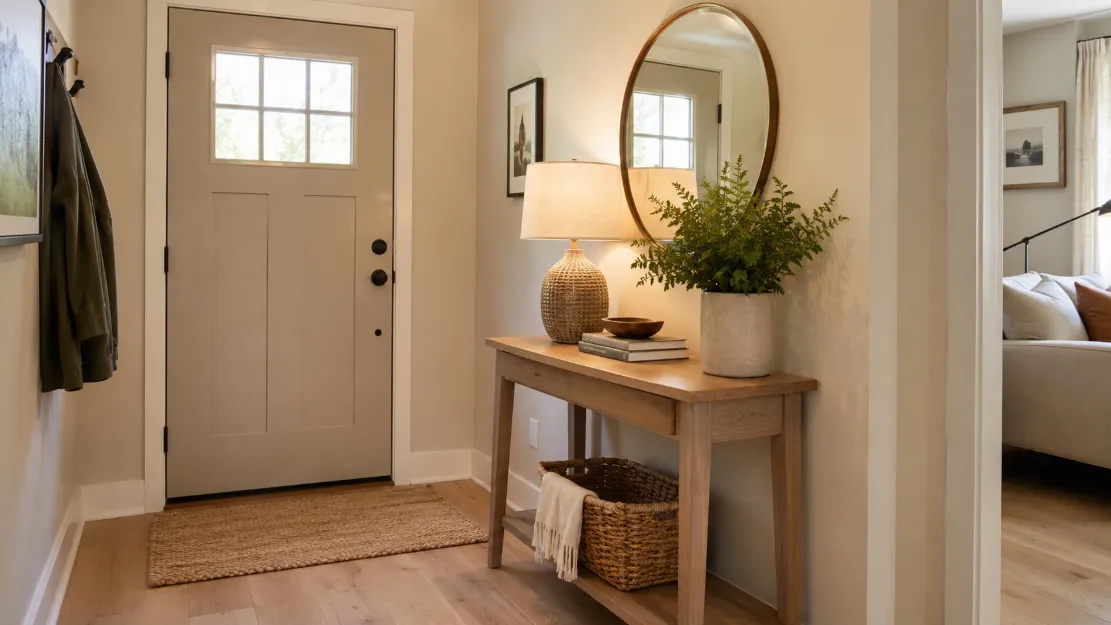
The entryway deserves special attention, because feng shui considers it the mouth of chi — the point where energy and opportunity enter your home. A cramped, dark, or cluttered entrance is thought to choke that flow before it begins. Keep yours welcoming with these simple touches:
- Clear the doorway so the front door can open fully without bumping into shoes, bags, or furniture.
- Add light with a lamp or bright bulb to keep the entrance warm and inviting rather than gloomy.
- Include a small mirror nearby (but not directly facing the door) to expand the sense of space and bounce light.
- Use a tidy spot for keys and essentials so the area stays organized and stress-free.
- Place something living or beautiful, like a plant or a piece of art, to greet you and lift the energy.
Invite In Light, Air, and Nature
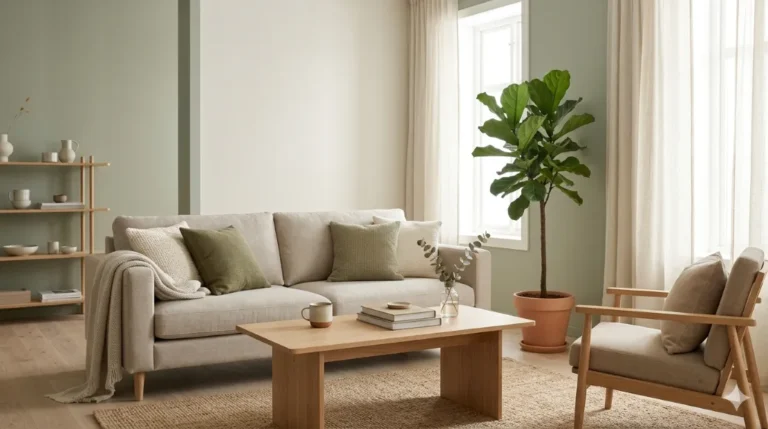
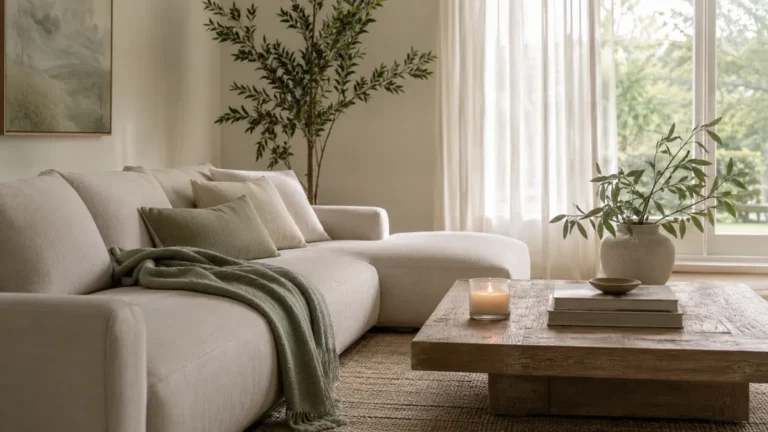
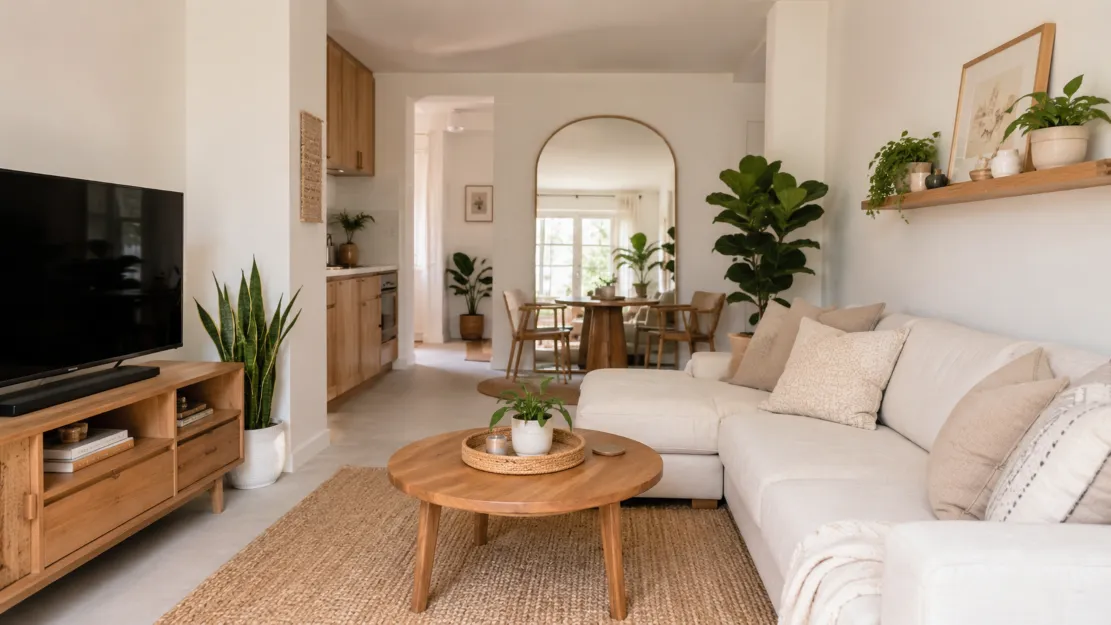
Good feng shui thrives on natural light and fresh air, both of which are considered carriers of vibrant, healthy energy. Open your curtains and blinds during the day to let daylight pour in, keep windows clean so light is not dulled, and open them when you can to refresh the air. In a compact home, maximizing natural light does double duty: it supports good energy and makes the space feel bigger and brighter, which is why feng shui and small-space design so often align.
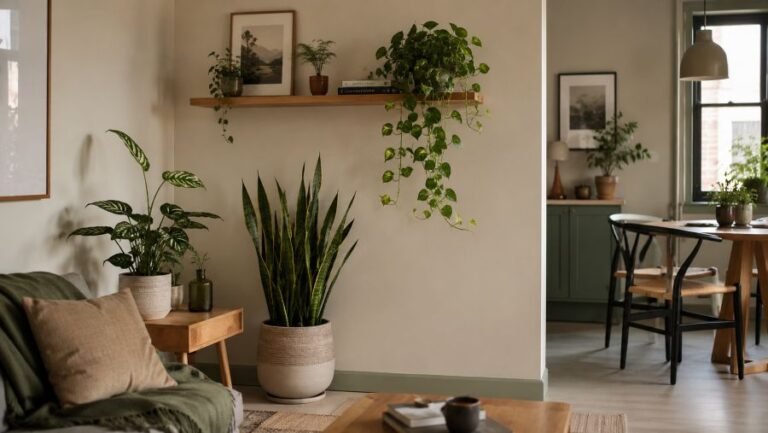
Living plants are another cornerstone, believed to bring growth, vitality, and a soothing connection to nature into a home. Even one or two healthy plants can lift the energy of a small space, purify the feeling of a room, and add a calming touch of green. Choose easy-care varieties if you are not a confident gardener, keep them healthy since wilting plants are thought to drain energy, and place them where they catch light. Together, light, air, and greenery create the fresh, alive atmosphere that feng shui prizes.
Mirrors, Balance, and the Five Elements
Mirrors are a beloved feng shui tool, especially in compact homes, because they are believed to expand space and circulate light and energy. A mirror that reflects a window, a beautiful view, or a bright part of the room amplifies the good energy there. Placement matters, though: feng shui generally advises against positioning a mirror directly facing the bed or pointing straight at the front door, as this is thought to disrupt rest or push entering energy back out. Used thoughtfully, a single mirror can make a small room feel noticeably larger and lighter.
Feng shui also seeks balance among the five elements — wood, fire, earth, metal, and water — each associated with certain colors, materials, and qualities. You do not need to master this to benefit; simply aim for a gentle variety rather than a room dominated by one extreme. A wooden table, a soft textile, a metal lamp, a ceramic pot, and a touch of greenery naturally blend several elements, creating a balanced, harmonious feel. The quick reference below offers a beginner-friendly snapshot of the elements and how to invite each one.
| Element | Associated Qualities | Easy Ways to Add It |
|---|---|---|
| Wood | Growth, vitality | Plants, wooden furniture, green tones |
| Fire | Energy, warmth | Candles, warm light, red or orange accents |
| Earth | Stability, grounding | Ceramics, stone, beige and earthy tones |
| Metal | Clarity, focus | Metal frames, lamps, white and gray |
| Water | Calm, flow | Mirrors, glass, blue and black accents |
Smart Small Space Tip: Choose multifunctional, intentional furniture that fits your space without crowding it. Feng shui favors pieces that are the right scale for the room, so a sofa or table that overwhelms a compact home blocks both flow and harmony. When each piece earns its place and leaves room to move, balance follows naturally.
Easy Room-by-Room Touches
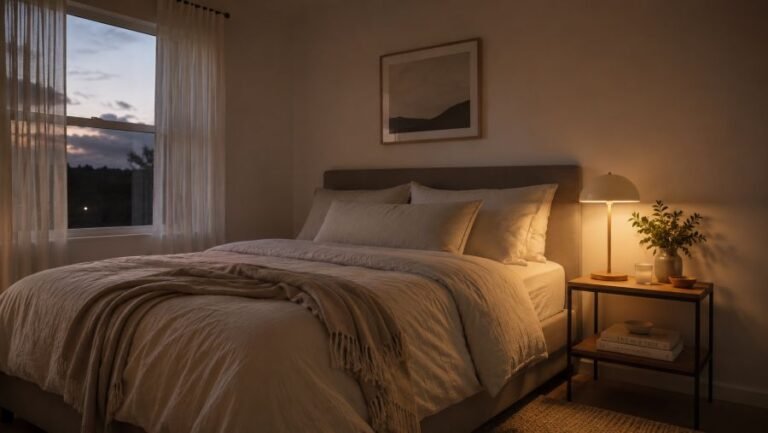
You can apply these ideas gently, one room at a time. In the bedroom — the most important space in feng shui — position the bed in the commanding position with a solid headboard against a wall for support, keep the area under the bed clear of storage where possible, and use soft, calming colors and balanced bedside lighting. Avoid having work materials or screens dominate the room, since the bedroom is meant for rest and renewal.
In living and working areas, arrange seating so it feels welcoming and faces into the room rather than away, keep cables and clutter tamed, and ensure your desk, if you have one, also follows the commanding position so you feel focused and in control. Throughout the home, favor rounded edges over sharp corners where you can, since gentle shapes are believed to soften the flow of energy. None of this requires a renovation — small, intentional adjustments are exactly how feng shui is meant to be practiced.
Common Feng Shui Mistakes to Avoid
A few easy missteps can undermine the calm you are trying to create. Watch for these as you go:
- Letting clutter return. Feng shui is ongoing, not one-time. Keep surfaces and pathways clear as a habit.
- Blocking the door. Furniture or mess behind the front door chokes incoming energy. Keep the entrance open.
- Facing a mirror at the bed. This is thought to disturb rest. Reposition it to reflect light or a pleasant view instead.
- Oversized furniture. Pieces too large for the room block flow and overwhelm a compact space. Match scale to the room.
- Neglecting dead plants or broken items. Wilting plants and clutter you keep “to fix” are believed to drain energy. Repair or release them.
The beauty of feng shui in a small home is how naturally it overlaps with simply living well in less space. Clear the clutter, place your bed and seating where you feel secure, keep the paths and entryway open, welcome in light and greenery, and balance your materials and colors. Each step is modest on its own, but together they transform how a compact home feels — lighter, calmer, and more supportive of your daily life. Whether you read it as energy or simply as good design, the result is the same: a home that feels in harmony with you.
Easy feng shui is not about strict rules or magical thinking; it is about arranging your space with intention so it nurtures rather than drains you. In a home with less square footage, that intention matters more, not less, because every corner is part of your daily experience. Begin with one principle that resonates — perhaps decluttering or the commanding position — and build from there. Small, mindful changes are all it takes to bring a sense of calm, balance, and flow to even the most compact home.
FAQ: Easy Feng Shui for Small Homes
Can you practice feng shui in a small home?
Absolutely. Feng shui is about how a space is arranged and how energy flows through it, not about how large it is. In fact, the core principles of decluttering, keeping pathways clear, maximizing light, and placing key furniture thoughtfully are especially valuable in a compact home, where every choice has a bigger impact on how the space feels.
What is the commanding position in feng shui?
The commanding position means placing your most important pieces of furniture, especially the bed, desk, and main seating, so that you can see the door without being directly in line with it. Practitioners believe this position gives you a sense of safety and control, and in practice it simply tends to make a room feel calmer and more settled.
What is the easiest first feng shui step in a compact home?
Decluttering is the simplest and most impactful starting point. In feng shui, clutter is believed to block the smooth flow of energy, and in a small home it also physically crowds the space and the mind. Clearing surfaces, walkways, and the entryway instantly makes the home feel lighter, calmer, and more open.
Are mirrors good feng shui in a small home?
Yes, when placed well. Mirrors are thought to expand space and circulate light and energy, which makes them valuable in compact homes. Position one to reflect a window, light, or a pleasant view, but avoid pointing it directly at the bed or straight at the front door, as feng shui considers those placements disruptive to rest and incoming energy.
Bringing It All Together
Feng shui offers a gentle, practical framework for making a compact home feel balanced and serene, and its principles ask for intention rather than square footage. Clear the clutter, arrange your bed and seating in the commanding position, keep your pathways and entryway open, fill the space with light, air, and plants, and aim for a calm balance of colors and materials. Add a well-placed mirror to expand the room, choose furniture that fits without crowding, and tend your space as an ongoing practice. Do this, and your small home will feel less like a limitation and more like a sanctuary in harmony with you.
ADeL A.A
ADeL A.A is a home décor and space optimization writer who believes every square foot matters. He spends his time researching, testing, and comparing smart storage ideas, multi-functional furniture, and practical layout solutions — always searching for the best ways to make compact homes feel bigger, brighter, and better organized.
View all articles by ADeL A.A →