How to Use Baskets for Small Space Organization: The Ultimate Guide

Living in a small space doesn’t mean sacrificing organization or style. Baskets are one of the most versatile and aesthetically pleasing storage solutions available, transforming cluttered corners into organized, intentional spaces. Whether you’re tackling a tiny apartment, a studio, or a compact bedroom, baskets offer a practical way to maximize every square inch while maintaining a cohesive design scheme.
In this comprehensive guide, we’ll explore how to strategically select, place, and style baskets to create functional storage systems that work harmoniously with your small space. From hidden under-bed storage to open shelving displays, you’ll discover proven strategies that countless small-space dwellers have successfully implemented to reclaim their homes from clutter.
Why Baskets Are the Ultimate Small Space Solution
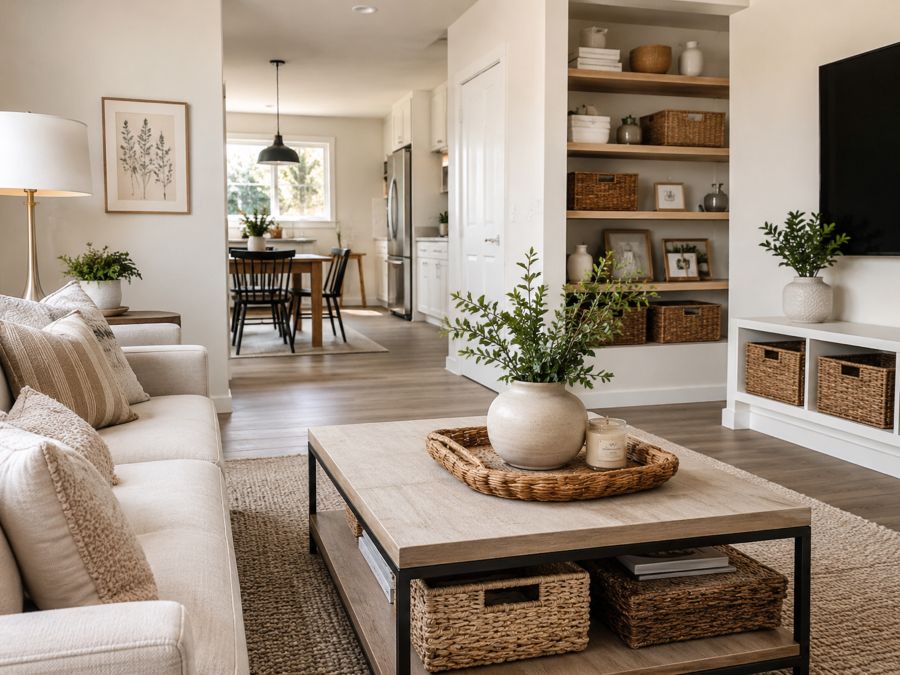
When space is limited, every storage decision carries weight. Baskets have emerged as the go-to solution for small-space enthusiasts, and for good reason. Unlike traditional filing cabinets or bulky shelving units, baskets offer a combination of functionality and aesthetic appeal that’s difficult to beat. They conceal visual clutter while remaining accessible, create psychological calm through hidden organization, and adapt seamlessly to various décor styles.
The beauty of basket storage lies in its multiplicity. A single basket can hold anything from throw blankets to seasonal decorations, from children’s toys to office supplies. This flexibility means you can customize your organization system to match your actual lifestyle rather than forcing your possessions into predetermined categories. Moreover, baskets come in countless materials, sizes, and colors, making it possible to find options that genuinely complement your interior design rather than feeling like a necessary evil.
For small spaces specifically, baskets solve the visibility problem that often plagues compact homes. When everything is on display due to limited storage options, visual chaos ensues. Baskets contain items within a defined boundary, creating visual rest points that make even a small room feel more organized and spacious. The eye naturally processes a room with contained storage as cleaner and more intentional than one where items are scattered across surfaces.
Choosing the Right Baskets for Your Needs
Selecting baskets isn’t as simple as picking the first attractive option you find. The most successful small-space organizers approach basket selection strategically, considering dimensions, material durability, and visual impact. This thoughtful process ensures that your baskets work as hard as they look.
Sizing: Finding the Perfect Proportion
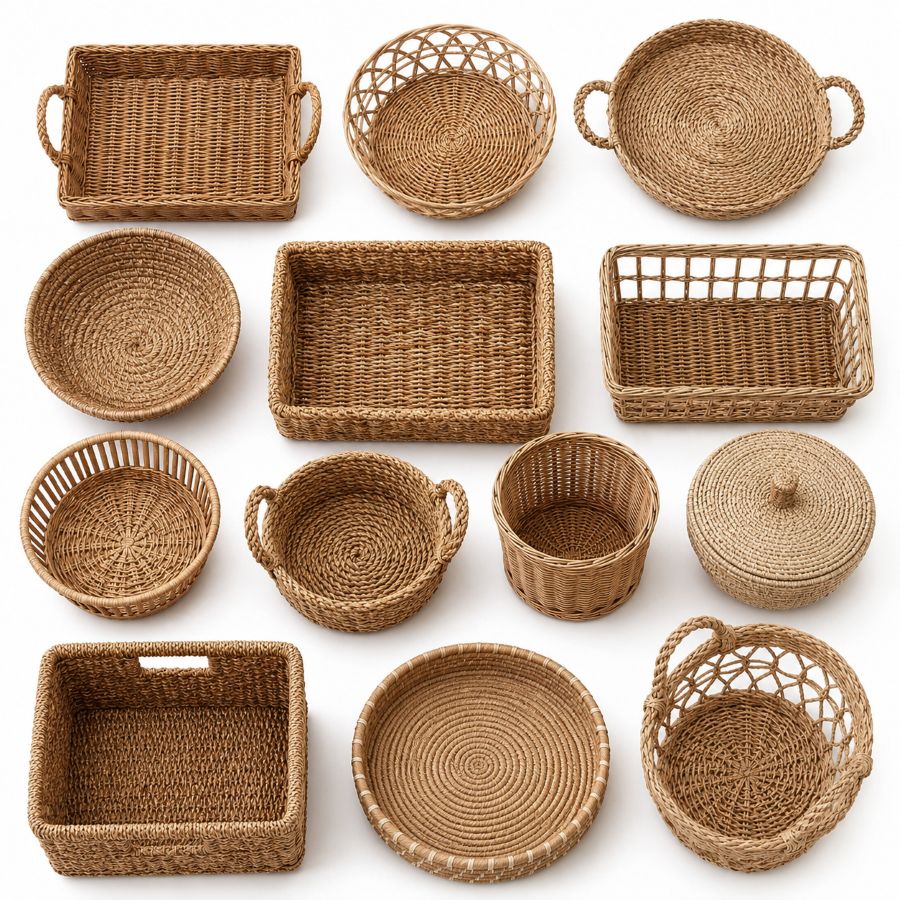
- Oversized baskets: Reserve these for corner placements or under-bed storage where they won’t visually dominate a room. A basket larger than 60% of adjacent furniture can make a small space feel cramped and cluttered rather than organized.
- Medium baskets: These are your workhorses. Medium-sized baskets (typically 12-18 inches wide) work well on open shelving, under tables, and in entryways. They provide substantial storage without overwhelming the visual landscape.
- Small baskets: Perfect for drawer inserts, shelf organizers, and creating designated zones within larger containers. Small baskets prevent items from shifting and help categorize belongings within a broader storage system.
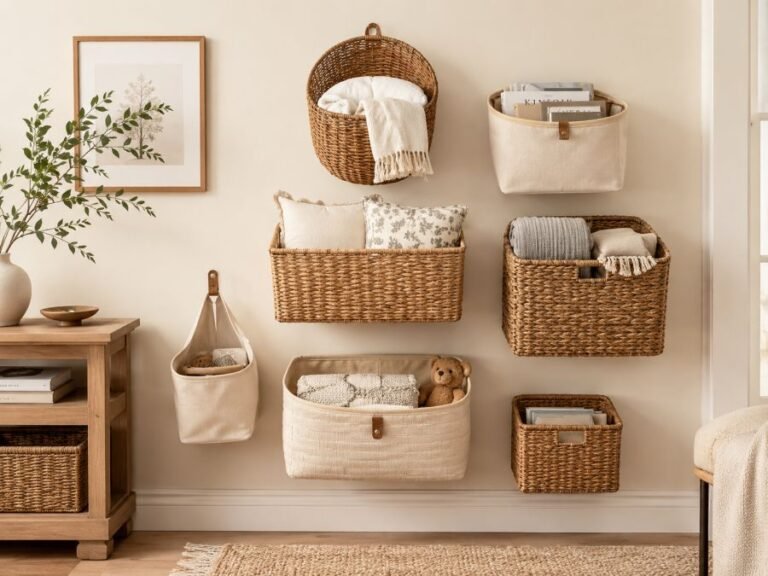
- Shallow baskets: Ideal for low shelves, mounted wall storage, and displaying items you want partially visible like folded blankets or decorative magazines.
Material Selection for Longevity and Style
The material you choose impacts both durability and aesthetics. Woven baskets made from rattan, seagrass, or hyacinth bring natural warmth to small spaces and develop character with age. Wire baskets offer a contemporary, minimalist aesthetic and work particularly well in modern or industrial-style homes. They’re also excellent for applications like under-sink storage where you need visibility or ventilation. Fabric storage baskets provide flexibility—many collapse for easy storage and come in countless colors and patterns to match any décor scheme.
Strategic Placement: Making Every Basket Count
Where you position baskets matters as much as which baskets you choose. Strategic placement transforms baskets from scattered decorative items into an intentional organizational system that actually enhances your space rather than cluttering it further.
Under-Bed Storage: Reclaiming Hidden Real Estate
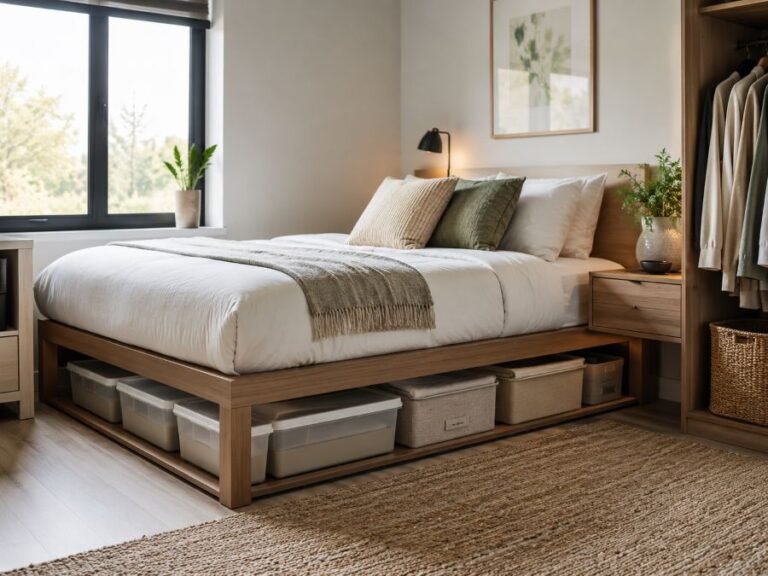
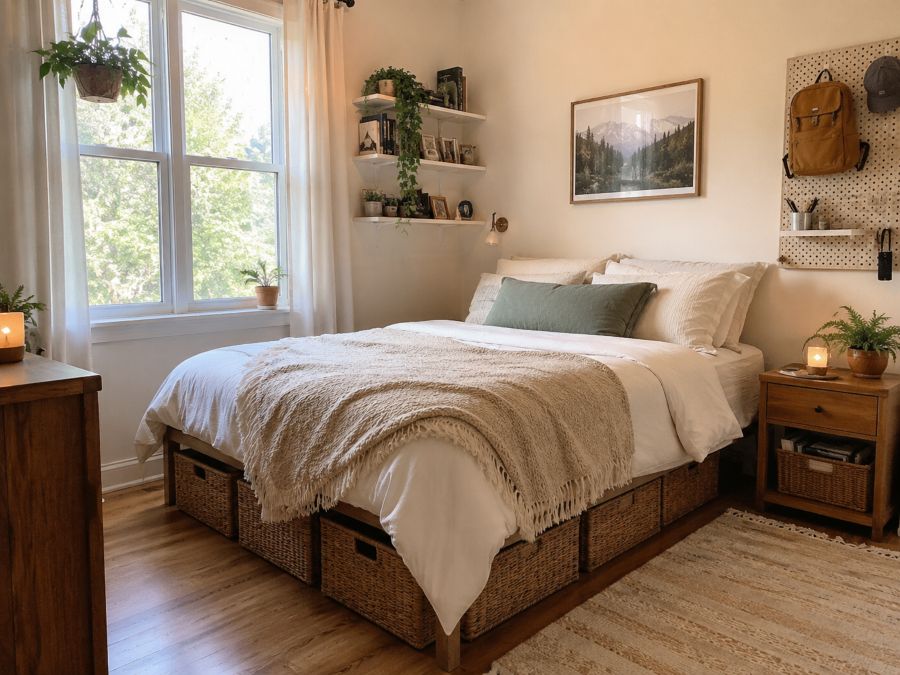
The space beneath your bed is prime real estate in a small home. Rolling baskets or flat storage containers can hold seasonal clothing, extra bedding, out-of-season decorations, or items you use infrequently. The key is ensuring baskets aren’t so tall that they interfere with the bed’s structural support, and using labels so you know what’s inside without having to extract them. Shallow baskets work particularly well for under-bed applications, as they slide in and out easily and don’t create a storage barrier.
Open Shelving Organization
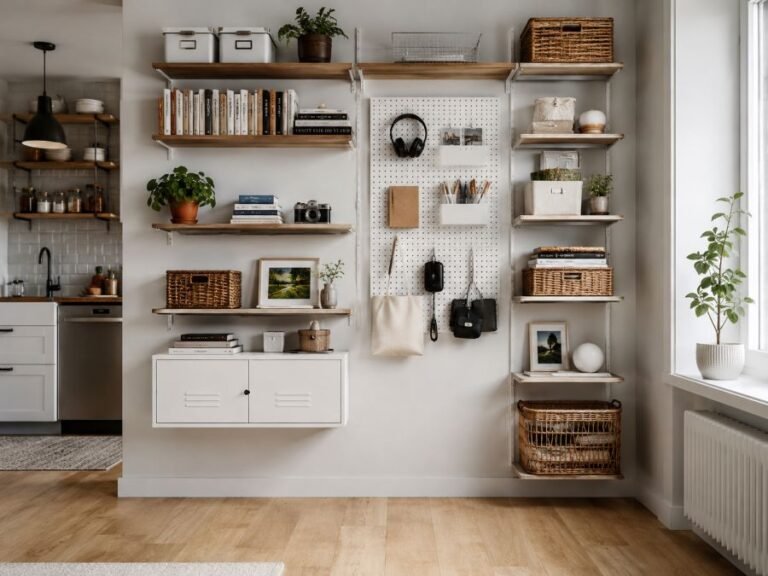
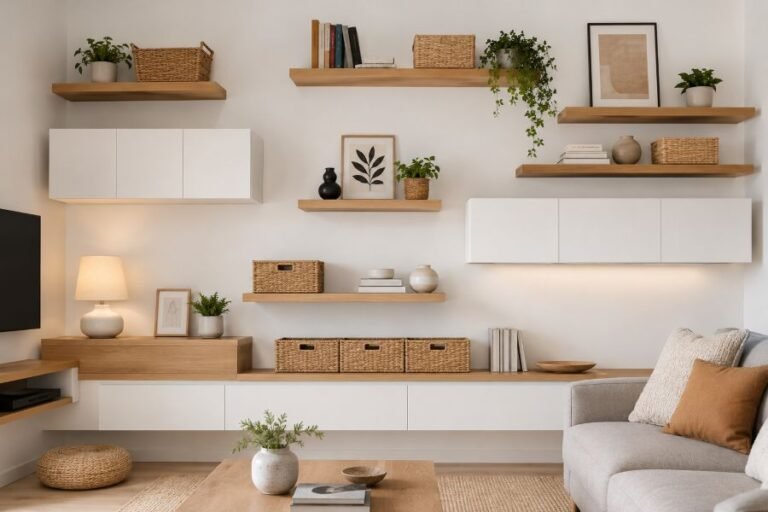
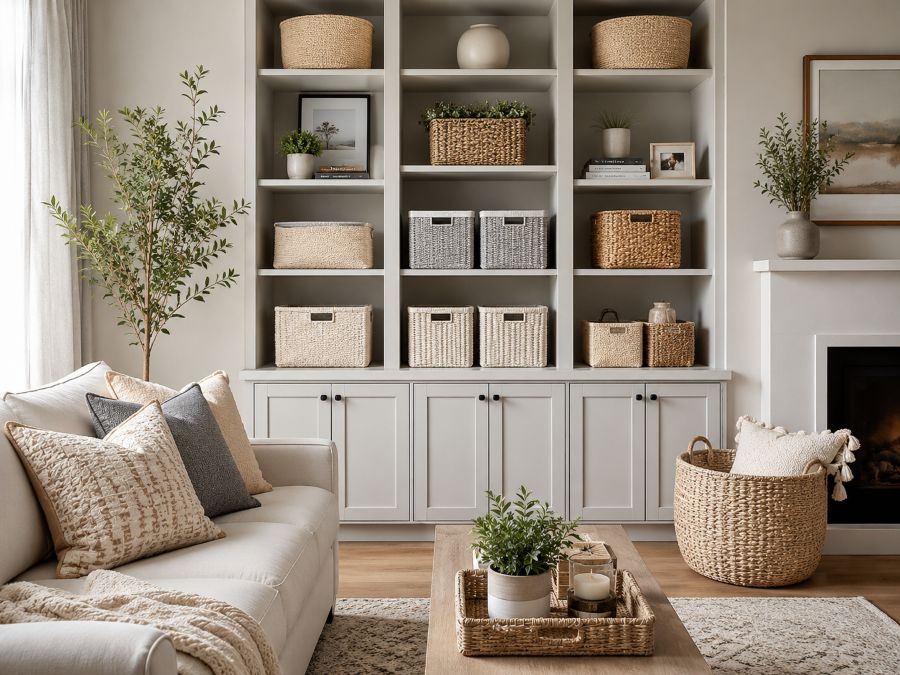
If your small space features built-in shelves or floating shelving, baskets transform these areas from chaotic book collections into organized displays. Mix baskets with decorative objects to break up visual monotony. Vary basket sizes and textures to create rhythm and interest. The rule of thumb: divide each shelf into thirds, filling one section with a basket, another with books or objects, and leaving the final third open for visual breathing room. This approach prevents shelves from appearing cluttered even in very small spaces.
Entryway Command Centers
Entryways are clutter magnets in any home, but especially in small spaces where items inevitably accumulate near the door. Create a designated zone with baskets for keys, outgoing mail, packages, and shoes. This prevents entryway clutter from spreading throughout your home. A single medium-sized basket for daily items and a taller one for longer-term storage creates a functional barrier between the outside world and your organized interior.
Creating Organization Systems That Actually Work
Beautiful baskets only succeed when they contain a functional organizational system. The most successful small-space organizers don’t just throw items into baskets randomly; they create systems that make returning items intuitive and prevent baskets from becoming dumping grounds.
Smart Small Space Tip: Label every basket clearly, even if you think you’ll remember what’s inside. Use a label maker or waterproof stickers on the outside of baskets. When every family member knows exactly what each basket contains, the system actually gets used consistently rather than reverting to clutter within weeks.
Organization Systems Comparison
| Organization Method | Best For | Maintenance Level |
|---|---|---|
| Category-Based | Families with varied household items, hobby supplies, seasonal storage. Each basket holds one category. | Medium – requires regular sorting to prevent category contamination |
| Frequency-Based | Active minimalists who want items organized by usage. Daily, weekly, monthly, and seasonal baskets. | High – requires deliberate rotation and reorganization |
| Zone-Based | Small spaces with multiple zones (bedroom, living room, work area). One basket system per zone. | Low – items naturally return to their assigned zone |
| Person-Based | Families or roommate situations where each person has assigned storage. Prevents shared-space disputes. | Medium – works well if everyone respects their assigned basket |
| Hybrid System | Most small spaces benefit from combining methods. Category baskets in living areas, person baskets in bedrooms, frequency-based in entryways. | Medium – most realistic long-term solution |
Styling Baskets Without Sacrificing Functionality
One of the greatest advantages of basket storage is that it looks intentional and designed rather than makeshift. However, achieving this aesthetic requires thoughtful styling decisions that balance visual appeal with practical functionality.
Color Coordination Strategies
The most successful small-space basket installations use a limited color palette. Choose two or three main colors that complement your existing décor, then select all baskets within that range. Neutral options like natural woven tones, white, gray, and black create timeless appeal and won’t feel dated as trends shift. If your décor leans toward warmer tones, incorporate baskets in cream, tan, and warm brown shades. For cooler palettes, grayscale and cool-toned naturals work beautifully. This color consistency makes even multiple baskets feel intentional rather than eclectic.
Texture Mixing for Visual Interest
Mixing basket textures prevents your storage from looking monotonous. Combine woven wicker baskets with smooth wire ones, add fabric storage containers in solid or patterned materials, and incorporate seagrass or hyacinth textures for variation. However, ensure that textural variety doesn’t override your color coordination. You can have different textures as long as they maintain your chosen color scheme—think natural woven tones paired with cream-colored fabric bins and natural wire baskets.
Partial Visibility for Aesthetic Balance
Not everything in a basket needs to stay hidden. Folded blankets draped over the rim of a living room basket, rolled towels displayed in a bathroom basket, or decorative items arranged on top create visual interest while maintaining organization. This partial visibility approach makes storage feel like intentional décor rather than just place-hiding-clutter. It’s the difference between a room that looks organized and a room that looks thoughtfully designed.
Budget-Friendly Basket Solutions for Small Space Dwellers
Creating a comprehensive basket storage system doesn’t require a hefty budget. Small-space organizers have discovered numerous ways to furnish beautiful, functional basket storage without financial strain.
Where to Find Affordable Baskets
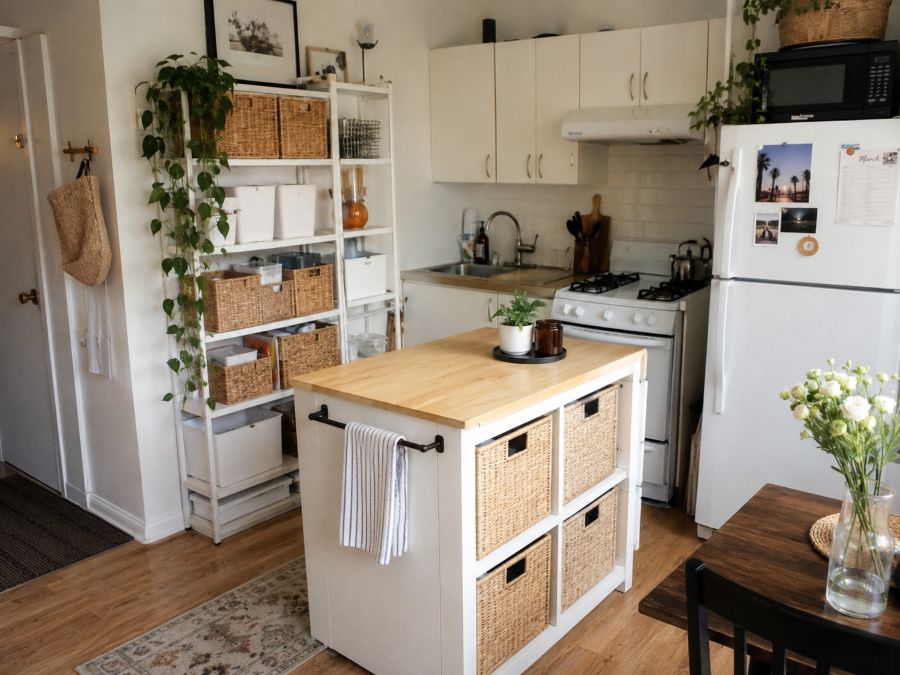
Big-box retailers offer quality baskets at genuinely affordable price points. IKEA’s storage collection provides excellent value, with many options under $30. Target’s Threshold and Room Essentials collections offer style without premium pricing. For thrifted options, estate sales, vintage shops, and online resale platforms like Facebook Marketplace and Craigslist yield surprising finds at fraction-of-retail costs. New baskets don’t always mean better baskets—a vintage rattan basket from an estate sale often outlasts newer alternatives.
DIY Basket Alternatives
If budget constraints are significant, consider DIY alternatives. Fabric storage bins can be created from scrap fabric and wire frames. Wooden crate storage dressed up with rope or fabric transforms utility into design. Even repurposed cardboard boxes become acceptable storage when covered with contact paper or fabric. While these alternatives require more effort than purchasing ready-made baskets, they provide customization opportunities and meaningful cost savings.
Seasonal Basket Shopping Strategy
Smart timing maximizes your storage budget. Post-holiday sales offer discounted storage containers. End-of-season clearances, particularly for organizational items, can slash prices 30-50%. Waiting for annual storage sales at major retailers requires patience but rewards budget-conscious organizers with significant savings. Planning your basket purchases around sales rather than buying impulsively extends your budget considerably.
Common Basket Organization Mistakes to Avoid
Even the most beautiful baskets fail when organization systems don’t account for real life. Understanding common pitfalls helps you create sustainable solutions rather than systems that look perfect for two weeks then collapse into chaos.
Overstuffing: The Silent Organization Killer
Filling baskets to maximum capacity makes them difficult to access and destroys the visual cleanliness that makes basket storage attractive in the first place. A good rule: leave a small amount of space at the top of each basket. This prevents items from spilling out, makes retrieval easier, and extends the basket’s lifespan by reducing stress on handles and seams. If a basket feels completely full, you’ve likely exceeded its practical capacity.
Storing Dissimilar Items Together
Baskets that contain unrelated items become inefficient quickly. When you open a basket looking for winter scarves and find kitchen linens, office supplies, and decorative items instead, you’ve created confusion rather than organization. Each basket should have a clear purpose. If you’re creating multi-use baskets, use internal dividers to keep categories separate even within a single container.
Forgetting About Basket Maintenance
Natural fiber baskets require occasional maintenance to remain beautiful. Dust accumulates in woven patterns; regular vacuuming with an upholstery attachment prevents this buildup. Wicker and rattan can occasionally need conditioning to prevent cracking, especially in very dry climates. Fabric baskets may need spot cleaning or laundering. Building maintenance into your organization system prevents baskets from becoming dusty, dingy eyesores within months of implementation.
FAQ: How to Use Baskets for Small Space Organization
What size baskets are best for small spaces?
For small spaces, choose baskets that proportionally fit your furniture and storage areas. Oversized baskets can overwhelm a room, so aim for medium-sized containers that don’t exceed 60% of the furniture width. Shallow baskets work better for shelves, while deeper ones suit under-bed storage or corner placements. The key is ensuring baskets enhance your space rather than dominating it visually.
How do I organize items inside baskets effectively?
Use drawer dividers or smaller containers inside baskets to organize similar items together. Label each basket clearly with adhesive labels. Group by category (seasonal items, hobby supplies, household essentials) and keep frequently used items in easily accessible baskets. This prevents the basket from becoming a jumbled mess and makes the system actually functional for daily living.
Can baskets damage small space aesthetics?
No, when chosen thoughtfully, baskets enhance small space aesthetics. Select neutral colors, natural materials, or matches for existing décor. Mix woven, wire, and fabric baskets for visual interest without clutter. Ensure basket colors complement your color scheme to create a cohesive, intentional look rather than appearing scattered or haphazardly arranged.
What are the best basket materials for durability?
Woven baskets (rattan, seagrass, hyacinth) offer durability and timeless style. Wire baskets are lightweight and space-efficient. Fabric storage baskets are collapsible for flexibility. For high-traffic areas, wire or sturdy fabric works best. Natural materials develop patina over time, adding character. Choose based on usage frequency and your aesthetic preference for the best long-term results.
Transform Your Small Space: Start Your Basket Organization Journey Today
The difference between a cluttered small space and an organized one often comes down to storage solutions that work with your lifestyle rather than against it. Baskets represent this perfect intersection of functionality and aesthetics, offering practical storage while enhancing rather than detracting from your interior design. Whether you’re tackling a tiny studio apartment, a compact bedroom in a shared house, or a minimal living situation, baskets provide the flexibility to create organization systems that genuinely work for your life.
The most successful small-space dwellers don’t achieve organization through perfection or deprivation. Instead, they create intentional systems that acknowledge their real lives—the possessions they actually own, the storage challenges they genuinely face, and the aesthetic vision they’re working toward. Baskets enable this balance, transforming potentially chaotic corners into organized zones that support both functionality and style.
Start small. Choose one area of your small space that bothers you most—perhaps your overflowing entryway, your cluttered closet floor, or your chaotic kitchen cabinet situation. Select one or two baskets that match your style and space constraints, establish a clear organizational system for what goes inside, and commit to maintaining it for two weeks. This modest beginning builds momentum. As you experience the satisfaction of organized space, you’ll naturally expand your basket storage system throughout your home, gradually transforming your entire small space into an oasis of intentional, beautiful organization.
ADeL A.A
ADeL A.A is a home décor and space optimization writer who believes every square foot matters. He spends his time researching, testing, and comparing smart storage ideas, multi-functional furniture, and practical layout solutions — always searching for the best ways to make compact homes feel bigger, brighter, and better organized.
View all articles by ADeL A.A →