How to Keep a Small Bedroom Clean Every Day

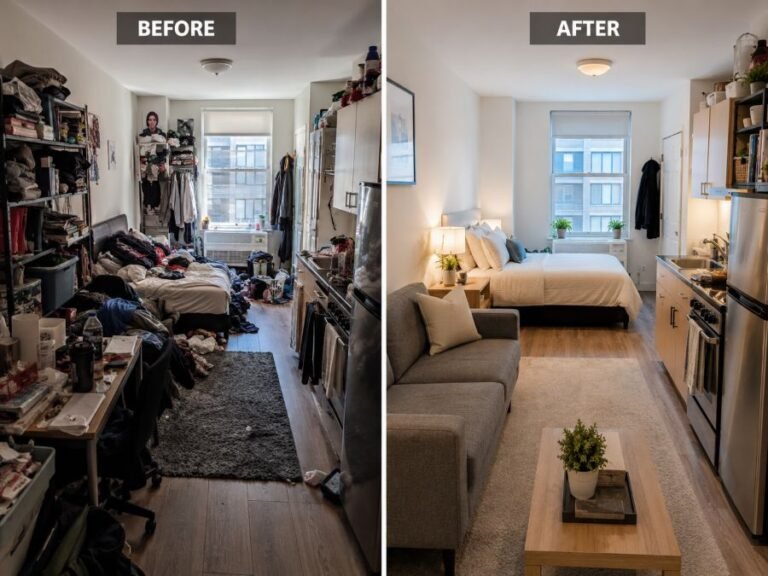
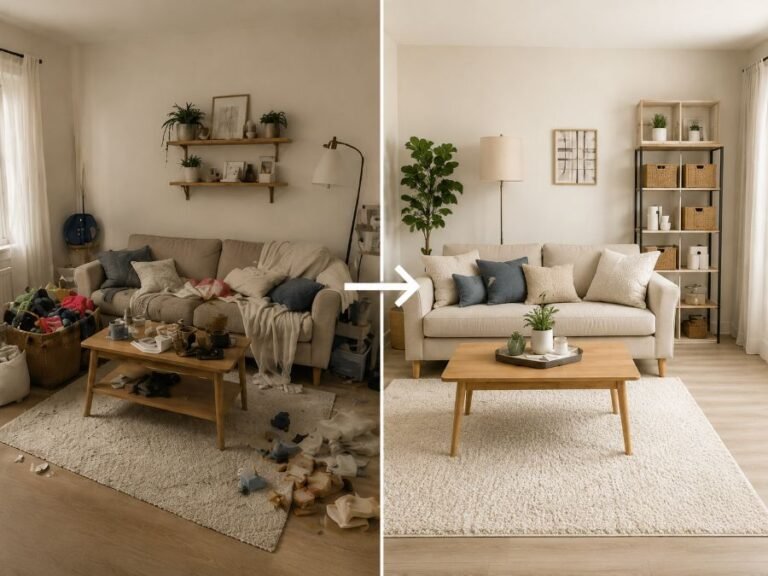
A small bedroom can feel like a sanctuary when it’s clean and organized, but it can quickly become chaotic without the right daily habits. The challenge of maintaining cleanliness in a compact space is real—limited storage, tight layouts, and a tendency for clutter to accumulate quickly make consistency key.
This comprehensive guide reveals proven daily cleaning strategies, smart organizational systems, and behavioral habits that will transform your small bedroom into an effortlessly clean haven. Whether you’re living in a tiny apartment, dorm room, or cozy bedroom, these practical tips work with your space, not against it.

The foundation of a perpetually clean small bedroom lies in understanding how cleanliness works at different scales. In larger spaces, you might have room to let things slide for a few days before tackling a big clean. Small bedrooms demand a different approach—daily micro-cleanings prevent the snowball effect where one day of neglect becomes a week of chaos. This shift in mindset is the single most important factor in maintaining bedroom cleanliness.
Establish Your Daily Small Bedroom Cleaning Routine
The most effective approach to keeping a small bedroom clean is establishing a non-negotiable daily cleaning routine. This shouldn’t feel like a burden—the goal is creating habits so automatic that cleanliness becomes the default state rather than something you have to work toward. Start by committing just 10-15 minutes each morning to these essential tasks that form the backbone of daily bedroom cleaning.
Begin your morning by making your bed immediately upon waking. This single action creates instant psychological order and prevents the bed from becoming a dumping ground for clothes and items throughout the day. In a small bedroom, the bed typically occupies significant visual real estate, so its organization status affects the entire room’s perceived cleanliness. Use fitted sheets and a structured duvet or comforter that can be smoothed quickly rather than elaborate bedding that requires fussing.
Next, do a two-minute floor scan. Stand at your bedroom entrance and visually sweep the entire floor. Move any items that shouldn’t be on the floor to their designated storage spots. This might include yesterday’s clothes, books, shoes, or random items that migrated into the bedroom. Small bedrooms have minimal floor space, so keeping it clear is absolutely critical—a visible floor makes the room feel twice as large and infinitely cleaner.
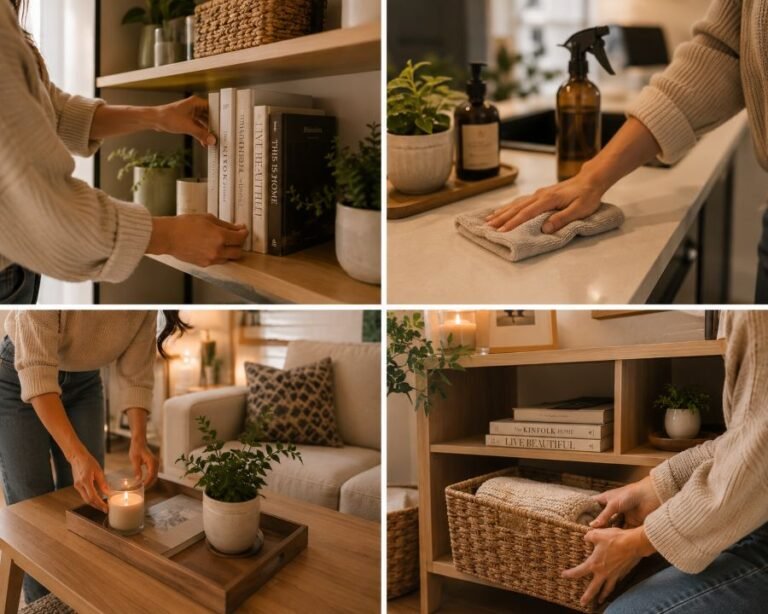
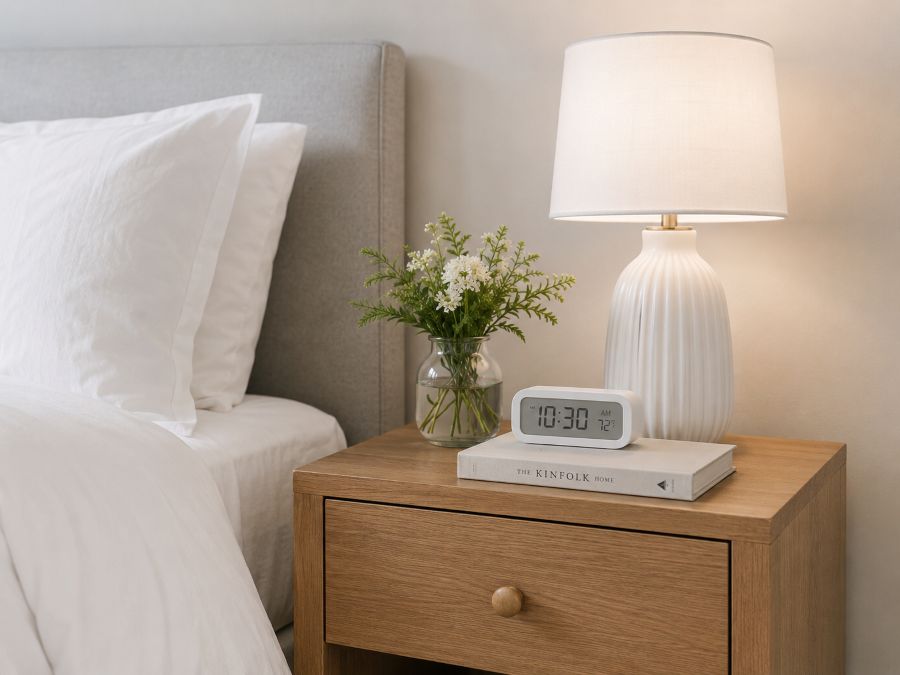
Finally, surface reset in 5 minutes. Nightstands, dressers, and shelves should contain only essential items and one or two decorative pieces. Each morning, relocate anything that doesn’t belong, wipe down surfaces with a dry cloth if needed, and ensure everything has a clear purpose and designated position. This prevents dust from settling on clutter and maintains visual clarity.
Master Small Space Organization and Storage Solutions
Organization and cleanliness are inseparable in compact bedrooms. Poor organization creates clutter, which breeds dirt, dust, and the feeling of perpetual mess. Conversely, thoughtful organization means every item has a home, making daily cleanup effortless because there’s nowhere for disorder to hide.
Vertical Storage: Your Small Bedroom’s Secret Weapon
Small bedrooms require vertical thinking. Your walls are valuable real estate that most people ignore. Implement these vertical storage strategies:
- Wall-mounted shelves: Install floating shelves above your desk, dresser, or along empty wall space. These store items while keeping floors clear and adding visual interest. Use baskets or bins on shelves to corral smaller items and reduce visual chaos.
- Over-door organizers: The back of your bedroom door is prime real estate. Over-door shoe organizers work wonderfully for shoes, accessories, or small items. Some even have transparent pockets so you can see contents instantly.
- Wall pegboards: Install a pegboard above your desk or dresser to hang frequently used items, scarves, jewelry, or bags. This keeps items accessible while off the floor and creates an organized, intentional aesthetic.
- Hanging organizers: Behind-door hanging organizers with multiple pockets store folded items, accessories, or small supplies without consuming floor space.
The key principle is this: anything stored vertically is automatically tidier and requires less floor space. Every item you move from floor/surface storage to wall storage increases your perceived square footage and reduces daily cleaning burden.
Implement Strategic Under-Bed Storage
Under-bed space in small bedrooms is incredibly valuable real estate that most people don’t fully utilize. However, it must be managed correctly—haphazard under-bed storage becomes a dust trap and clutter hideaway. The solution is using proper, sealed storage containers that protect contents while containing potential mess.
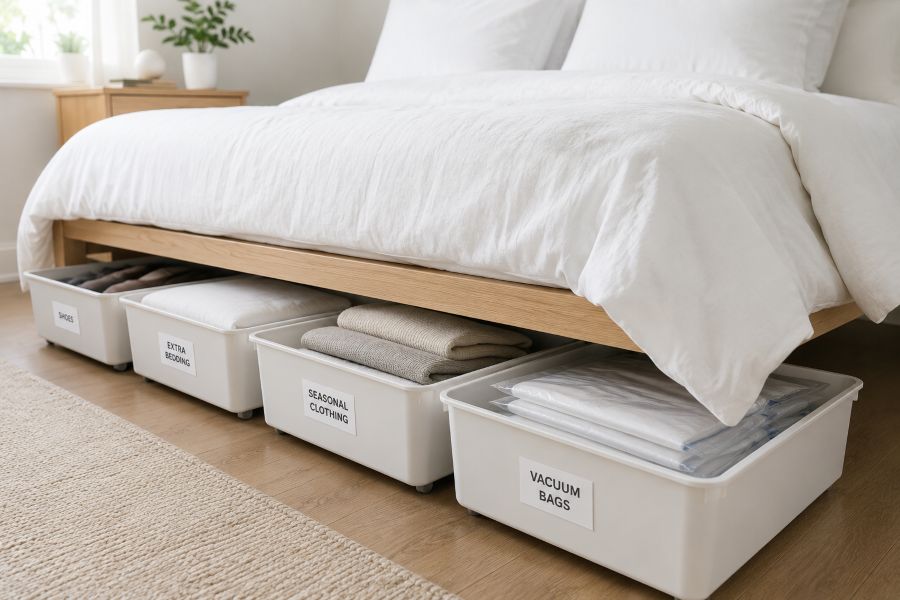
Invest in low-profile storage containers with wheels that slide easily under your bed. Label each container clearly with its contents—seasonal clothing, extra bedding, important documents, or holiday decorations. For textiles, vacuum storage bags compress items dramatically, sometimes by up to 75%, creating significant space. Rotate contents seasonally so you’re only storing items you actually need, and vacuum the under-bed area monthly to prevent dust accumulation.
Never use under-bed space as a catch-all for random items. This transforms it from useful storage into a dust collector and makes deep cleaning nearly impossible. Discipline around what goes under the bed maintains both cleanliness and actual usability of the storage.
Clothing Management for Perpetually Clean Bedrooms
Clothing accumulation is the primary culprit in small bedroom disasters. With limited closet and drawer space, clothes quickly overflow onto chairs, beds, and floors. A comprehensive clothing management system prevents this entirely and maintains both cleanliness and organization.
The Capsule Wardrobe Approach
A capsule wardrobe—a carefully curated collection of 30-50 versatile pieces that mix and match easily—is ideal for small bedrooms. When you own fewer clothes, several benefits emerge: everything fits in your storage space, you wear more of what you own (less daily decision fatigue), and your room stays visibly cleaner because there’s no overflowing garment situation.
Evaluate your current wardrobe ruthlessly. Use the hanger trick: hang all clothes backward, then turn hangers forward after wearing. After 2-3 months, donate anything still backward—you haven’t worn it. Keep only clothing that actually fits, that you genuinely enjoy wearing, and that works with your lifestyle. This single practice more than doubles most people’s perceived bedroom organization.
Smart Closet Optimization
Once you’ve right-sized your wardrobe, optimize closet function with: slim hangers (they take 40% less space than standard hangers), vertical division rods that double hanging capacity, clear drawer dividers, and coordinating shelf bins. Implement a one-in-one-out rule: when you buy something new, donate something old. This prevents creep and maintains your carefully balanced system.
Develop a Weekly Deep Cleaning Schedule
Daily surface tidying and organization prevent visible mess, but weekly deep cleaning maintains actual cleanliness and prevents allergen and dust buildup. Create a simple weekly schedule where you tackle different areas each day, making deep cleaning feel manageable rather than overwhelming.
| Day | Task Focus | Time Needed |
|---|---|---|
| Monday | Change bed sheets, dust all surfaces | 15-20 min |
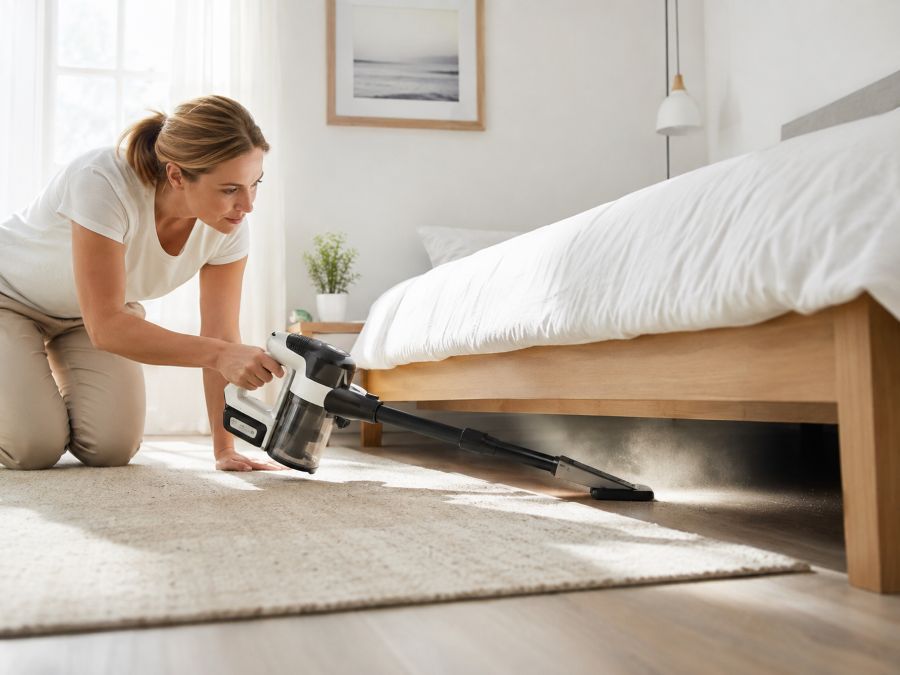
| Wednesday | Vacuum entire bedroom including under furniture | 15 min |
| Friday | Wipe down closet shelves, reorganize drawers | 15-20 min |
| Sunday | Deep clean windows, mirrors, door frames | 15 min |
Spreading deep cleaning across the week makes it manageable and ensures everything gets attention regularly. Most importantly, since you’re maintaining daily organization, deep cleaning focuses on actual dirt and dust rather than picking up clutter.
Prevent Dust and Allergen Buildup
Small bedrooms present unique challenges for dust and allergen management because air circulates less freely in compact spaces. Dense accumulation of items means more surface area for dust to settle on. Combat this strategically.
Minimize soft furnishings—curtains, rugs, and upholstered furniture collect dust readily. Replace heavy fabric curtains with light cotton or linen panels, or use cellular shades that trap less dust. If you must have a rug, opt for low-pile or flat-weave rather than plush. Upholstered headboards collect dust; wood, metal, or upholstered versions with removable, washable covers work better.
Use microfiber cleaning cloths weekly on all surfaces. Microfiber captures dust more effectively than traditional cloths and requires minimal product. Maintain humidity between 40-50%—too dry and dust flies easily; too humid and dust settles faster. A small humidifier in winter helps without consuming much space.
Vacuum or sweep before you dust (or dust will resettled on floors), and open windows briefly for air circulation even in cold weather. An air purifier is wise for small bedrooms; the minimal footprint (<1 sq ft) provides outsize benefits for air quality.
Create Behavioral Habits for Long-Term Cleanliness
Systems and organization provide the infrastructure, but behavioral habits provide the fuel. Without daily habits, even the most beautifully organized bedroom deteriorates. Here’s how to create sustainability.
The One-Touch Rule
When you pick up an item, immediately place it in its designated spot rather than setting it down “temporarily.” This small discipline prevents mini-piles from accumulating throughout the day. It takes the same amount of physical effort, but eliminates the clutter cascade that happens when temporary stacks become permanent fixtures.
The Before-Bed Reset
Spend 5 minutes before sleep doing a mini reset. Return items to homes, straighten the bed if needed, and clear the floor. This means you wake to an organized room, which automatically establishes positive momentum for the day. This single habit multiplies the effectiveness of every other strategy here.
The Inbox Method
Keep a small basket or bin in your bedroom for items that migrated in but don’t belong. Each evening, sort through it and return items to appropriate rooms. This prevents random items from permanently occupying bedroom space.
Smart Small Space Tip: Implement a 30-day habit formation period where you follow your daily routine and weekly schedule without exception. Research shows habits solidify after 30 days of consistency. Once established, these habits require minimal mental energy—they become automatic like brushing your teeth.
Choose the Right Cleaning Products for Small Spaces
The products you use matter more in small bedrooms because chemical vapors concentrate quickly in enclosed spaces. Harsh commercial cleaners can overwhelm a small bedroom and create respiratory irritation with extended exposure.
Choose multi-purpose cleaners that reduce product accumulation in your cleaning closet. Eco-friendly or plant-based formulas ventilate quickly and avoid chemical buildup. Excellent alternatives include: white vinegar and water (1:1) for surfaces and windows, baking soda for odor absorption and gentle scrubbing, and essential oil-based products that clean while leaving pleasant scents.
Store cleaning supplies in one small container or caddy. Limit yourself to 4-5 essential products: all-purpose cleaner, microfiber cloths, duster, vacuum, and one scrubbing powder. This approach keeps your cleaning closet from becoming cluttered and actually encourages regular cleaning because everything is accessible and organized.
FAQ: Small Bedroom Cleaning & Organization
How often should I clean a small bedroom?
Daily tidying (10-15 minutes) keeps your small bedroom organized and prevents clutter accumulation. Weekly deep cleaning (3-4 times weekly, 15-20 minutes per session) maintains actual cleanliness by addressing dust, allergens, and hidden dirt. Monthly thorough cleaning tackles areas like baseboards, light fixtures, and behind furniture. This combination keeps small bedrooms perpetually clean without overwhelming your schedule.
What is the best storage solution for small bedrooms?
Vertical storage is paramount in small bedrooms. Prioritize: wall-mounted shelves, over-door organizers, under-bed sealed containers, and multi-functional furniture with built-in storage. The key principle is moving items off the floor and surfaces where they create visual clutter. Every item you store vertically is an item not sitting on your floor or dresser taking up valuable space.
How can I prevent dust accumulation in a small bedroom?
Reduce clutter first (fewer items means fewer dust surfaces), then: vacuum weekly, wipe surfaces with microfiber cloths weekly, maintain 40-50% humidity, minimize fabric soft furnishings, and use an air purifier. Small spaces concentrate dust more readily, so proactive prevention works better than reactive cleanup. Consistency matters more than intensity—weekly light cleaning beats monthly heavy cleaning.
How do I maintain a small bedroom when I travel frequently?
Create systems that survive your absence. Invest in storage containers with clear labels so roommates or family know where everything belongs. Before travel, spend 15 minutes putting everything in its designated spot. When you return, dedicate 30 minutes to resetting and resuming daily habits. Don’t let return-from-travel transition become an excuse to abandon your routine.
What’s the best approach for cleaning when space is extremely limited?
In micro bedrooms (under 100 sq ft), focus first on organization and decluttering, then create minimal daily habits. Every item should have a purpose and a home. Use compact, lightweight cleaning tools that don’t require storage space. Vertical storage becomes even more critical. Remember: in tiny spaces, organization IS cleanliness. A thoroughly organized small room feels clean even if it needs vacuuming.
Conclusion: Small Bedroom Cleanliness as a Lifestyle
Maintaining a perpetually clean small bedroom isn’t about being obsessive or spending hours cleaning—it’s about smart systems and consistent daily habits. When organization, storage, and behavioral practices align, cleanliness becomes the natural state rather than something you strive toward.
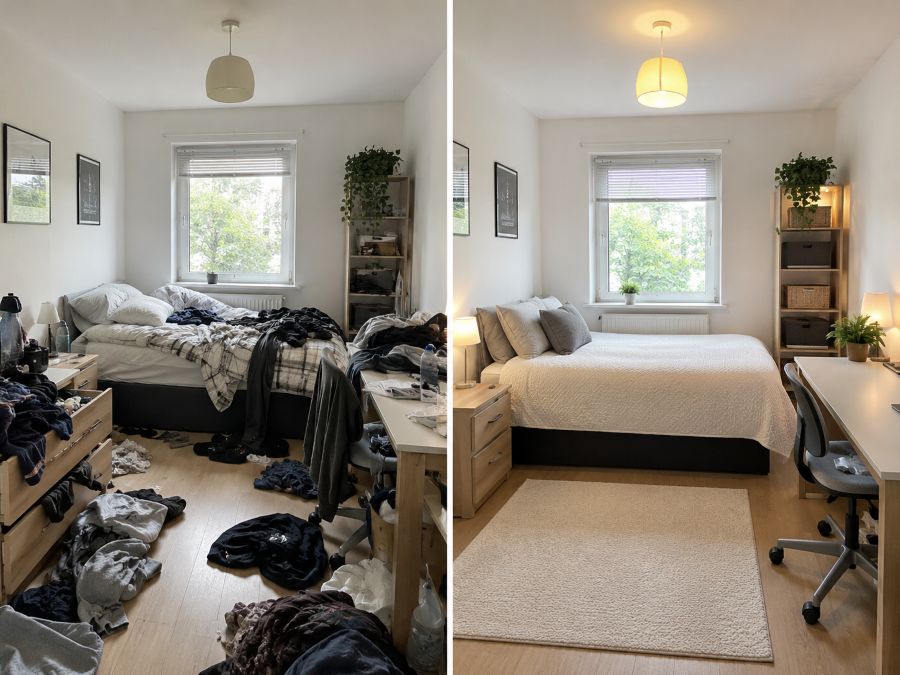
Start by establishing your non-negotiable daily routine: make bed, floor scan, surface reset (15 minutes total). Layer on a strategic weekly deep cleaning schedule that spreads effort across the week. Implement vertical storage solutions, optimize your clothing system through capsule wardrobe principles, and adopt behavioral habits like the one-touch rule. Use appropriate cleaning products that work well in small spaces without overwhelming them.
The transformation happens gradually. After two weeks of consistency, you’ll notice how much easier everything feels. After a month, these habits solidify and require minimal conscious effort. After three months, you’ll wonder why you ever struggled with bedroom cleanliness. A small bedroom that’s truly clean and organized becomes a peaceful retreat—a sanctuary where you actually want to spend time. That level of calm and control is worth the modest daily effort it requires to maintain.
ADeL A.A
ADeL A.A is a home décor and space optimization writer who believes every square foot matters. He spends his time researching, testing, and comparing smart storage ideas, multi-functional furniture, and practical layout solutions — always searching for the best ways to make compact homes feel bigger, brighter, and better organized.
View all articles by ADeL A.A →