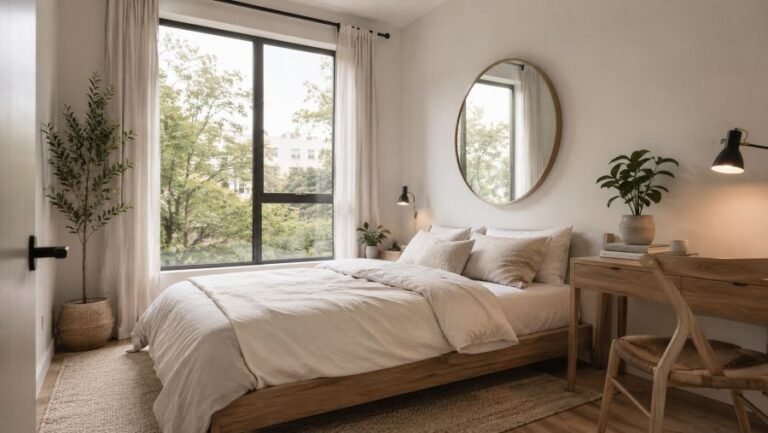
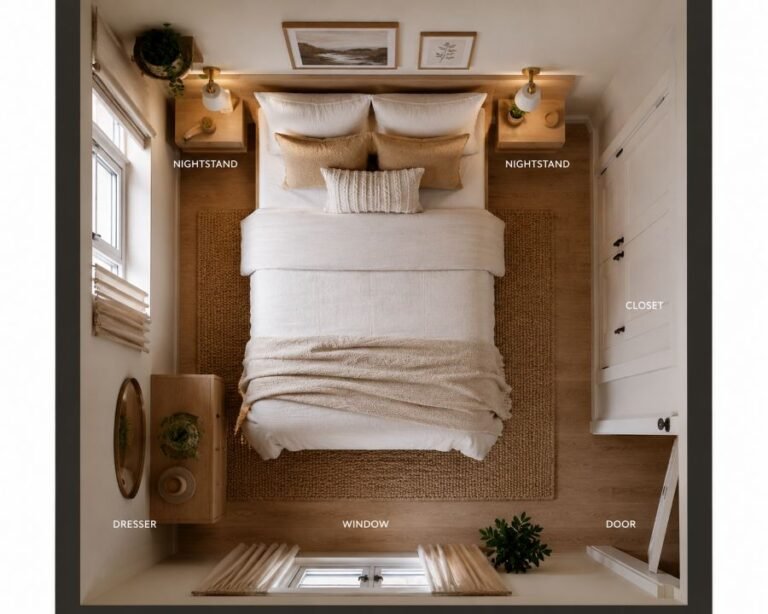
Small Bedroom Color Ideas That Make Rooms Feel Bigger

Color is one of the most powerful tools for making a small bedroom feel larger, airier, and more inviting. The right color palette can dramatically transform how spacious and comfortable your bedroom feels, while the wrong choices can make even a medium-sized room feel cramped and claustrophobic. Whether you’re working with a tiny studio bedroom, a compact guest room, or a cozy master suite with limited square footage, understanding how color psychology affects spatial perception is essential.
This comprehensive guide explores the best small bedroom color ideas, from timeless light neutrals to unexpected accent colors that expand your sense of space. We’ll show you how to use color strategically to maximize your bedroom’s potential and create a serene, spacious retreat that feels larger than its actual dimensions.
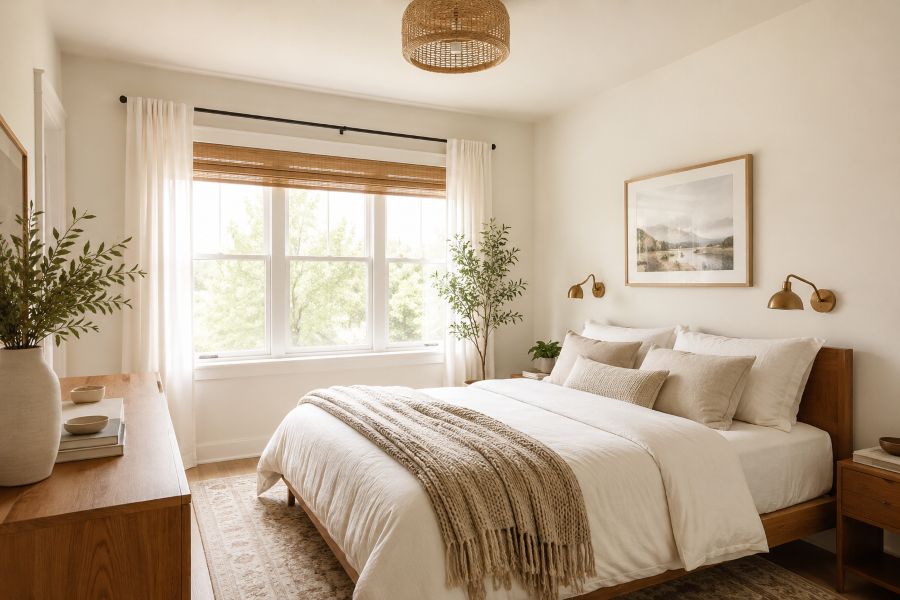
The psychology of color in spatial design is well-established: light colors reflect light and expand our visual perception of space, while dark colors absorb light and make rooms feel more enclosed. This principle is particularly important in bedrooms, where we spend a significant portion of our lives. By choosing the right wall colors and complementary tones, you can create a bedroom that not only feels more spacious but also promotes relaxation and better sleep quality.
In the video above, you’ll discover expert tips on how to use color strategically to transform your small bedroom. The experts walk through the best paint colors, from light neutrals to soft cool tones, and show you practical techniques for selecting the perfect shade for your unique space. Watch to learn how color psychology works in bedroom design and get actionable advice for making your small bedroom feel more spacious and inviting. The techniques covered in this video complement the detailed written guide below, giving you multiple ways to absorb and implement these proven color strategies.
Light Neutrals: The Foundation of Spacious Small Bedrooms
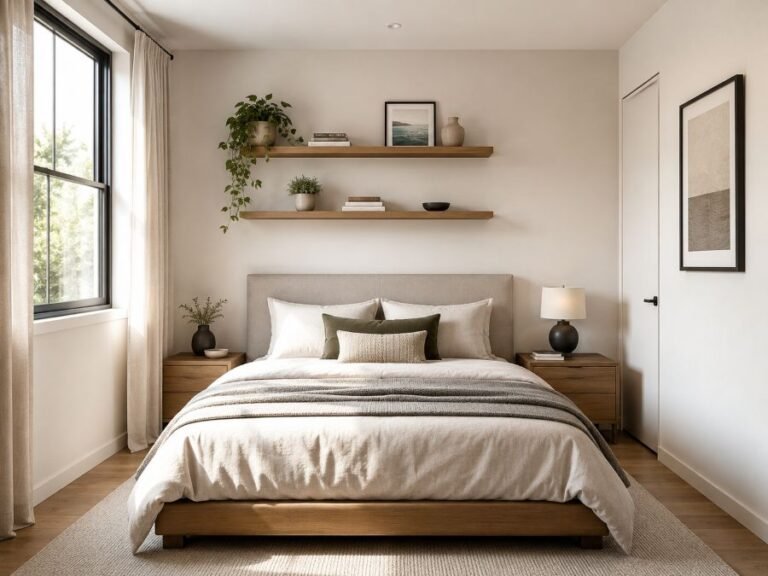
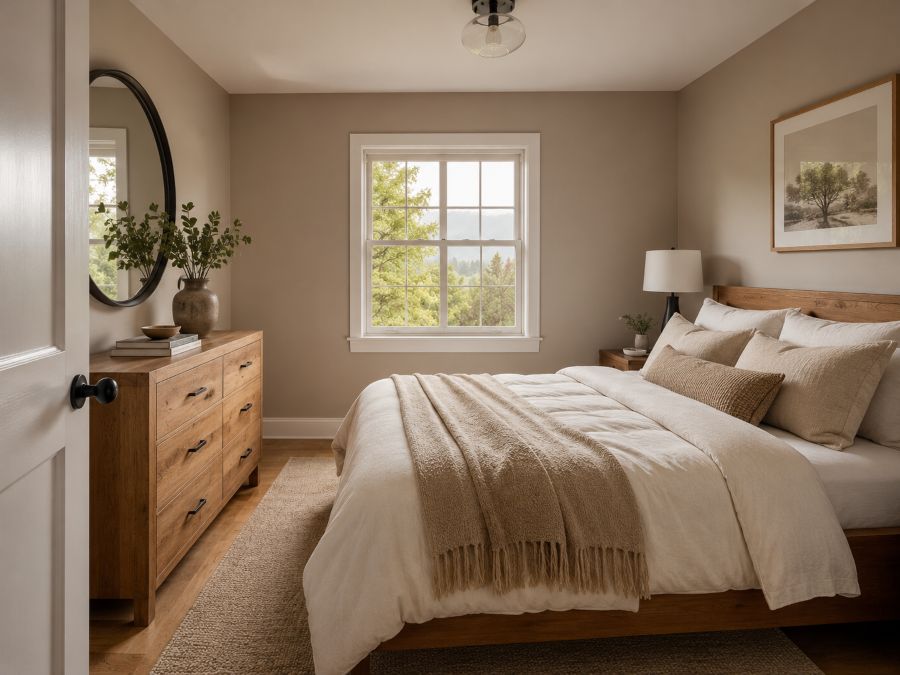
Light neutral colors form the foundation of any small bedroom color scheme designed to maximize space. Soft whites, warm beiges, pale grays, and creamy ivory tones are the gold standard for making small bedrooms feel larger. These colors create a blank canvas that reflects light throughout the room, making it feel brighter and more open from the moment you enter. Unlike stark, bright whites that can feel clinical, warm neutrals create an inviting atmosphere while maintaining the space-expanding benefits. The key is selecting a shade with warm undertones that feels comfortable and welcoming rather than cold and institutional.
Best Light Neutral Colors for Small Bedrooms
- Soft white or off-white with warm undertones creates brightness without harshness
- Warm beige and taupe tones add sophistication while maintaining openness and light reflection
- Pale gray with warm undertones provides subtle color while maximizing visual space
- Creamy ivory offers warmth and elegance with excellent light-reflecting properties
- Very pale greige (a grey-beige blend) provides a modern, spacious feel with subtle color interest
Soft Cool Tones for Calm, Spacious Feelings
While warm neutrals are popular, soft cool tones like pale blues, soft grays, and muted sage greens also work beautifully in small bedrooms. These colors psychologically create a sense of calm and openness while still expanding visual space through their lightness. Pale blue, in particular, is associated with the sky and ocean, which naturally evoke feelings of expansiveness and serenity. When choosing cool-toned colors for small bedrooms, ensure they’re very pale and have enough lightness value to maintain the space-expanding effects. Medium or saturated cool tones won’t provide the same sense of openness as their lighter counterparts.
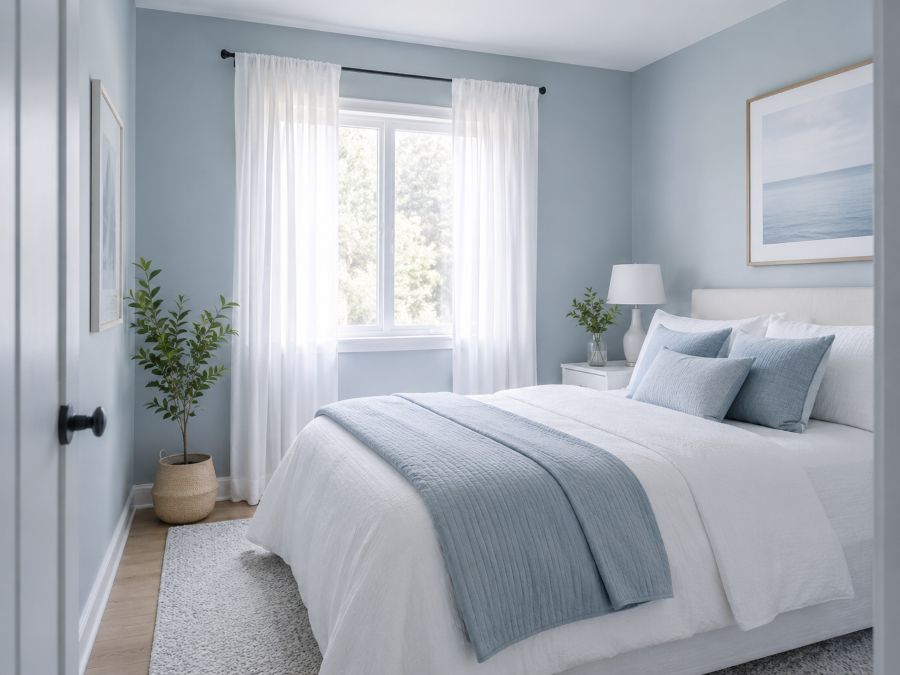
Smart Small Space Tip: When choosing between warm and cool tones for your small bedroom, consider your room’s natural light. Rooms with lots of warm afternoon light look beautiful with cool tones that balance the warmth, while rooms with cooler north-facing light benefit from warm neutral tones that add coziness and comfort.
Strategic Use of Color Psychology in Bedroom Design
Understanding how color psychology works in bedroom spaces helps you make informed decisions that enhance both the physical sensation of space and your emotional well-being. Light colors not only reflect light and make spaces feel larger, but they also create a sense of calm that’s essential for restful sleep. Soft, muted versions of colors are psychologically soothing, while bright, saturated versions can feel stimulating and energizing. For a small bedroom where you want to maximize both space and comfort, muted, light versions of any color you choose will serve you best.
Creating a Color Story in Your Small Bedroom
Your small bedroom color palette should tell a cohesive story that makes the space feel intentional and curated. Start with your main wall color (a light neutral or pale cool tone), then layer in accent colors through bedding, artwork, and accessories. This approach lets you add personality and visual interest without making the walls themselves feel busy or visually overwhelming. A monochromatic approach, where you use different shades and tints of the same color family, is particularly effective in small spaces because it creates harmony while allowing for subtle visual interest and depth.
| Color Type | Best Shades for Small Bedrooms | Psychological Effect |
|---|---|---|
| Warm Neutrals | Soft beige, warm white, creamy ivory | Welcoming, cozy, sophisticated, spacious |
| Cool Neutrals | Pale gray, greige, warm gray | Calm, modern, open, serene |
| Pale Cool Tones | Soft blue, muted sage green, pale lavender | Peaceful, restful, expansive, tranquil |
| Light Warm Tones | Pale peach, soft warm yellow, light tan | Energizing, warm, inviting, cheerful |
| Monochromatic | Different tints of same color family | Unified, sophisticated, spacious, harmonious |
Accent Colors and Focal Points in Small Bedrooms
While keeping main walls light is crucial for maximizing space, strategic use of accent colors through textiles, artwork, and accessories adds personality without overwhelming the room. An accent wall painted in a slightly deeper shade of your main color, or through other design elements, can create visual interest and a subtle focal point. Just ensure any accent color is still relatively light and muted so it doesn’t visually shrink the space. Better yet, use accent colors primarily in soft furnishings like throw pillows, blankets, and artwork, which you can easily change if your preferences evolve.
Lighting Considerations for Color Selection
The type and amount of light in your bedroom significantly affects how colors appear and perform in terms of space expansion. Natural light sources and lighting fixtures influence color perception throughout the day. Test paint samples on your actual walls in morning, afternoon, and evening light before committing to a full paint job. A color that looks perfect in daylight might look completely different under artificial evening lighting. Consider the direction your windows face and the amount of natural light your room receives when selecting your color palette. Rooms with limited natural light benefit particularly from very light, reflective colors that maximize whatever light is available.
FAQ: Small Bedroom Color Ideas
What colors make a small bedroom feel bigger?
Light, neutral colors like soft whites, pale grays, warm beiges, and soft blues make small bedrooms feel larger and more open. These colors reflect light and create a sense of spaciousness, while darker colors absorb light and can make rooms feel more confined. The key is choosing very pale, light versions of whatever color you select.
Should I paint a small bedroom one color or use multiple colors?
For maximum space-expanding benefits, use one light color on all walls. This creates a cohesive, unified look that visually expands the room. You can then add personality with accessories, artwork, and varying textures rather than multiple wall colors. A monochromatic approach using different shades of the same color family offers a sophisticated middle ground.
Can I use dark colors in a small bedroom?
While light colors are generally better for small spaces, you can use dark colors strategically. Use them as accent colors in artwork, textiles, and decorative elements rather than covering all walls. If you want an accent wall, keep it in a lighter shade and ensure the rest of your room is predominantly light-colored and well-lit.
Choose Colors That Expand Your Small Bedroom
Small bedroom color selection is about working with color psychology to create a space that feels both larger and more comfortable. By choosing light, muted colors for your walls and adding personality through accessories and textiles, you can create a bedroom that looks bigger, feels more peaceful, and becomes your perfect retreat. Remember that paint color is one of the most affordable ways to transform a space, so don’t hesitate to test samples before committing. With the right color palette, even the smallest bedroom can feel like a spacious sanctuary.
ADeL A.A
ADeL A.A is a home décor and space optimization writer who believes every square foot matters. He spends his time researching, testing, and comparing smart storage ideas, multi-functional furniture, and practical layout solutions — always searching for the best ways to make compact homes feel bigger, brighter, and better organized.
View all articles by ADeL A.A →