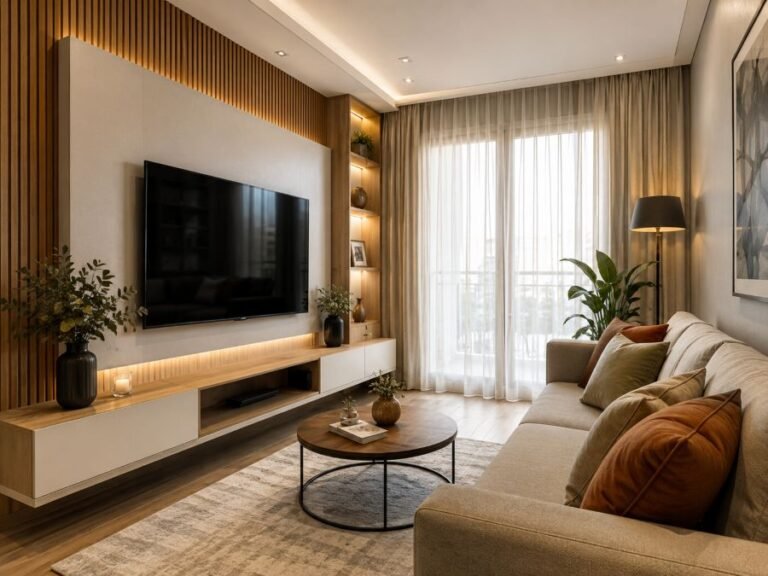
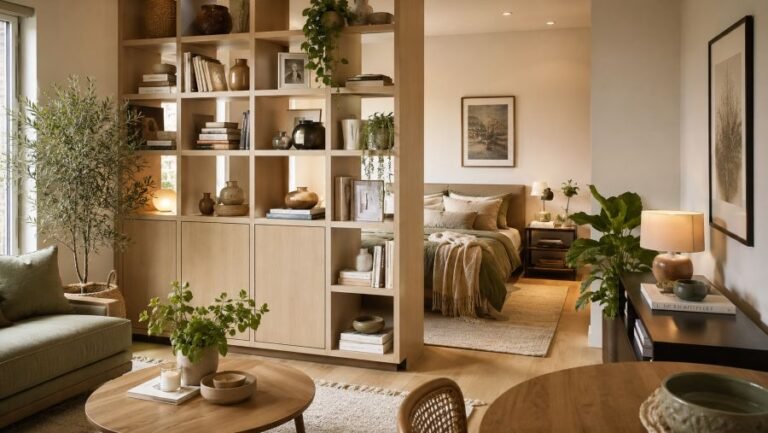
Scandinavian Style for Compact Homes: Get the Look

There is a reason Scandinavian interiors dominate every mood board, rental listing, and design feed: no other style makes a modest footprint feel as bright, calm, and effortlessly put-together. Born in Nordic homes that contend with long dark winters and limited room, the look is not merely pretty — it is a problem-solving philosophy, engineered from the ground up to make small spaces breathe.
That makes it the ideal aesthetic for anyone living in a snug flat, a studio, or a compact city home. In this guide you will learn the core principles behind the style, the exact palette and materials that define it, room-by-room moves that maximize every square meter, and the warmth-building tricks that keep a minimalist scheme cozy rather than clinical. Best of all, much of it costs nothing but a weekend of editing what you already own.
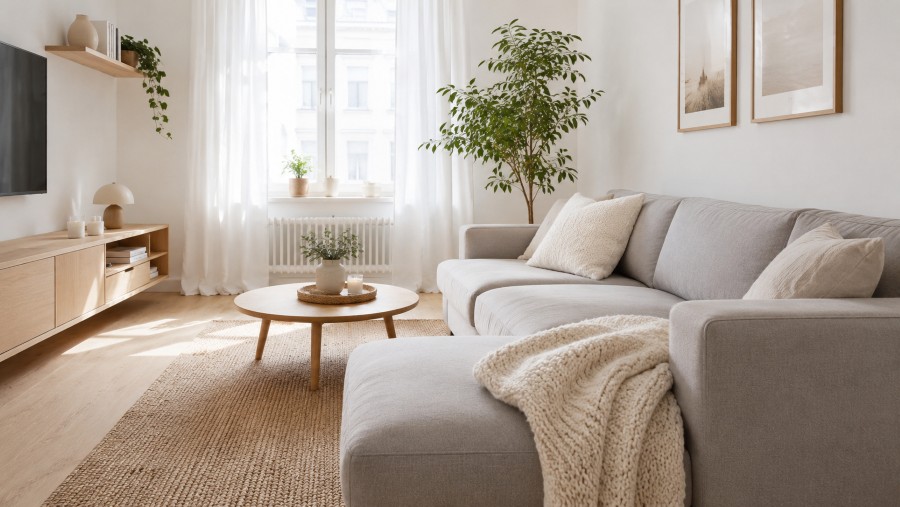
Prefer to see the look in motion first? The ninety-second video below walks you through the essentials — the light Nordic palette, the slender-legged furniture, the natural materials, and the hygge touches that keep it all warm. Watch it for the overview, then use the detailed sections beneath as your room-by-room playbook.
With the visual reference in mind, the guide that follows breaks down each element in depth: how to build the layered palette, which multifunctional pieces earn their place, where to add natural light and greenery, and the hygge layers that stop minimalism from ever feeling cold.
At its heart, Scandinavian design rests on three pillars: functionality, simplicity, and a deep connection to nature. Every object earns its place by being useful, beautiful, or ideally both; ornamentation for its own sake is quietly shown the door. This is precisely why the style and snug living are such natural partners — when floor area is precious, a philosophy that treats clutter as the enemy and prizes multifunctional, well-made pieces is not just fashionable but genuinely practical. Get these fundamentals right and the rest of the look falls into place almost on its own.
The Foundation: A Light, Layered Color Palette
Nothing signals Scandinavian style faster — or expands a tight room more effectively — than its signature palette. The base is built from soft whites, warm greys, and oatmeal beiges, colors that reflect rather than absorb light and visually push the walls outward. In a compact dwelling, this is the single most transformative change you can make, and a tin of paint is among the cheapest tools in the entire design world.
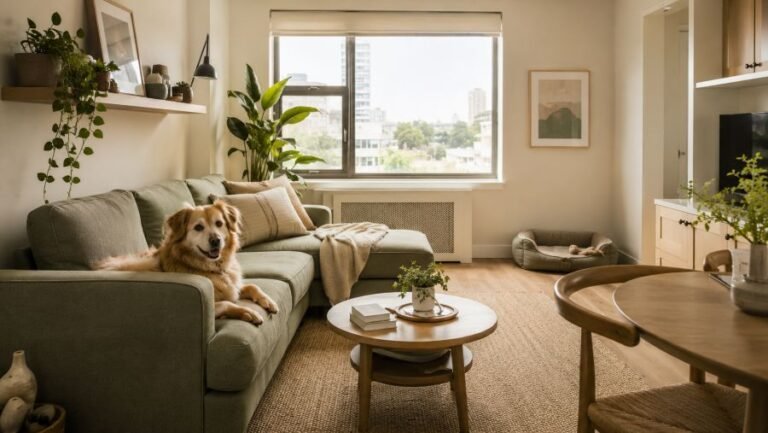
Crucially, the Nordic approach to white is never stark or sterile. It leans warm and layered: a creamy white on the walls, a slightly cooler tone on the trim, natural wood underfoot, and soft greige textiles woven throughout. This subtle tonal variation is what separates an authentic, inviting scheme from a flat, hospital-like one. When you do introduce color, keep it gentle and drawn from nature — muted sage green, dusty blue, soft terracotta — used as accents on a cushion, a throw, or a single piece of art rather than across whole walls.
One more rule pays outsized dividends in a petite layout: repeat the palette relentlessly. When the same handful of tones flows from the living zone into the kitchen nook and sleeping area, the eye reads the whole home as one continuous, airy space rather than a series of cramped compartments. Cohesion is the secret weapon of small-space design, and a disciplined palette delivers it for free.
Furniture That Works Twice as Hard
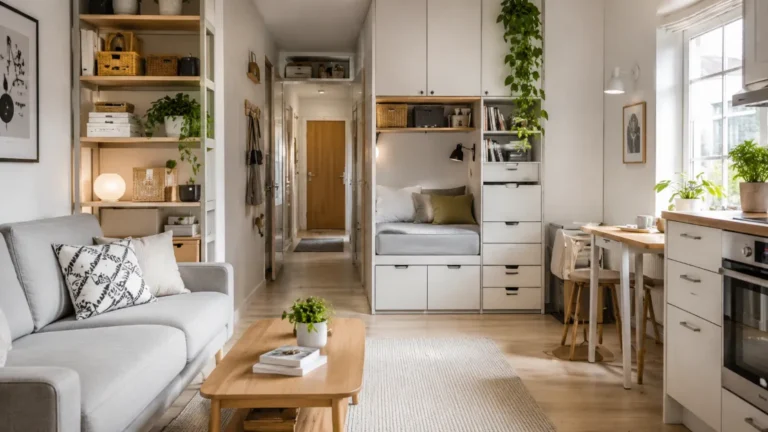
If color sets the mood, furniture makes or breaks the function. Scandinavian pieces are defined by clean lines, slender legs, and low profiles — and that visual lightness is a gift to a snug interior. Furniture raised on tapered legs lets light and floor show through underneath, an effortless trick that makes a room feel larger and less weighed down than bulky, floor-hugging alternatives.
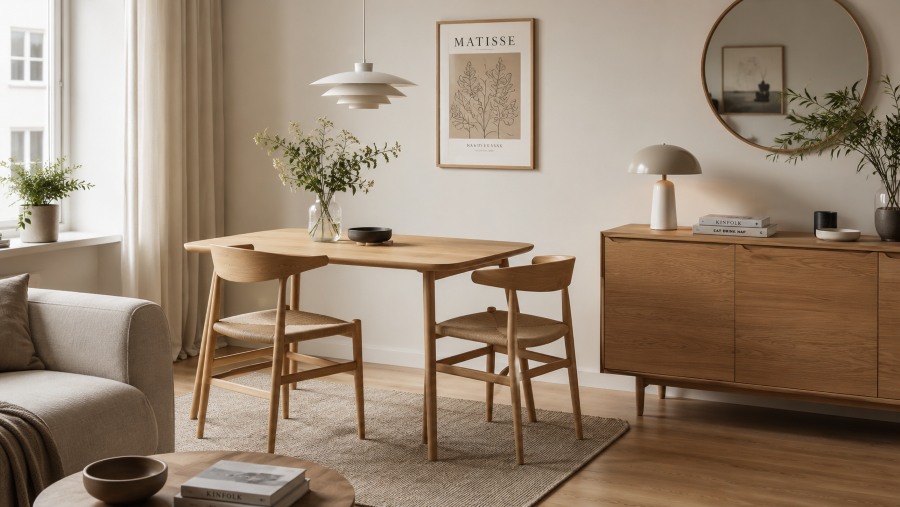
Smart Multifunctional Pieces for Tight Footprints
- Storage ottomans and benches — seating, a footrest, and hidden storage in one low-profile unit that tucks neatly against a wall.
- Extendable or drop-leaf tables — compact for daily life, expandable when guests arrive, classic Nordic engineering.
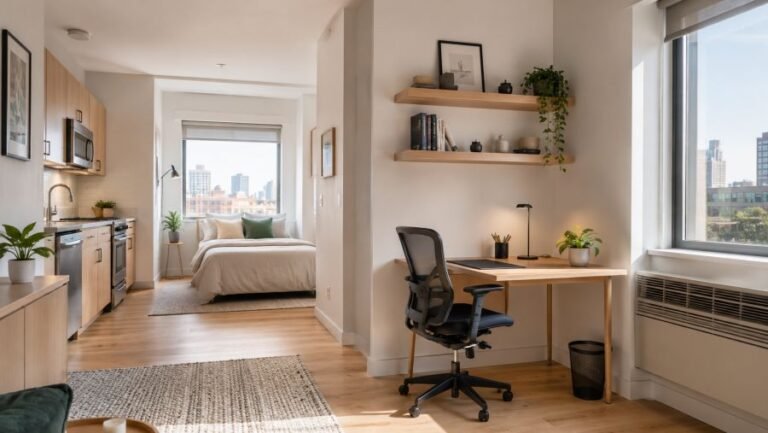
- Wall-mounted desks and shelves — floating storage keeps the floor clear and reinforces that airy, weightless feel.
- Nesting side tables — flexible surfaces that stack away when not needed, never dominating the floor.
- Sofa beds with clean lines — a studio essential that honors both the look and the realities of cozy living.
The unifying principle is restraint: choose fewer, better pieces rather than filling the room. A single beautifully made oak chair contributes more to the look — and leaves more breathing room — than three forgettable ones. Quality over quantity is both the Scandinavian creed and the small-space survival rule, which is what makes them fit together so seamlessly.
Light, Natural Materials, and the Power of Nature
Scandinavian interiors are a celebration of natural materials, and texture is what gives the pared-back palette its soul. Light woods — oak, ash, beech, and pine — appear underfoot, in furniture, and in small accessories, lending warmth and an organic softness that pure white alone cannot. Layer in wool, linen, leather, and rattan, and the scheme gains depth without gaining a single loud color.
Maximizing natural light is non-negotiable. Keep windows as bare as practicality allows, or dress them only in sheer, gauzy fabrics that filter light without blocking it. A strategically placed mirror opposite or adjacent to a window effectively doubles the daylight and the sense of depth — one of the highest-impact, lowest-cost moves available to anyone working with a tight floor plan.
Then there is greenery, the finishing touch that brings the outdoors in. Even a single sculptural plant softens hard lines, purifies the air, and injects life into a neutral scheme. In a limited footprint, go vertical: a hanging planter, a tall slim fig in a corner, or a small shelf of trailing greenery adds nature without sacrificing precious surface space.
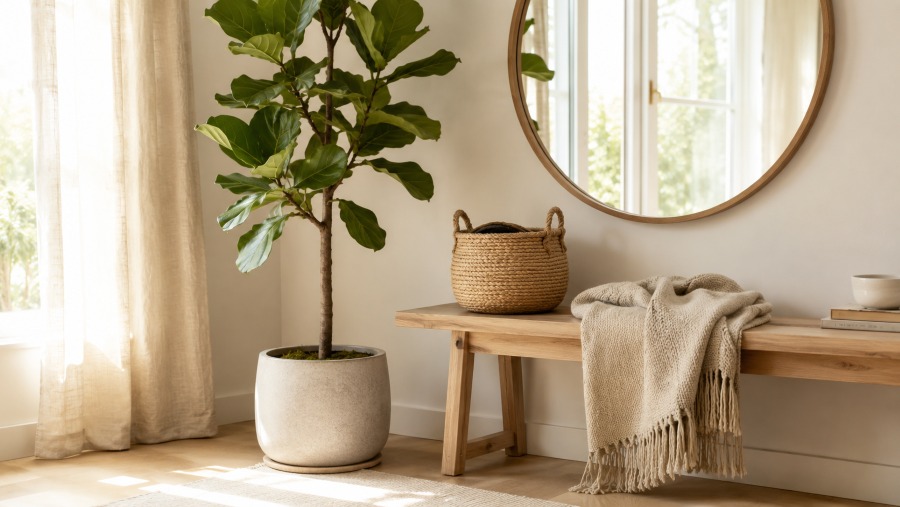
Smart Small Space Tip: Before buying anything new, do a one-weekend “Scandi edit.” Remove every object from your surfaces and shelves, then return only what is genuinely useful or truly loved — ideally in your chosen palette. Most people reclaim a startling amount of visual and physical space this way, and the decluttered baseline is the real foundation of the entire look. Decorate the empty space afterward, not before.
Hygge: Adding Warmth So Minimalism Never Feels Cold
The most common mistake when chasing this aesthetic is creating a space that looks like a showroom and feels like a waiting room. The antidote is hygge — the Danish concept of cozy, contented wellbeing that is as central to Nordic life as the clean lines themselves. Hygge is what makes a minimalist room feel like a warm embrace rather than an empty box.
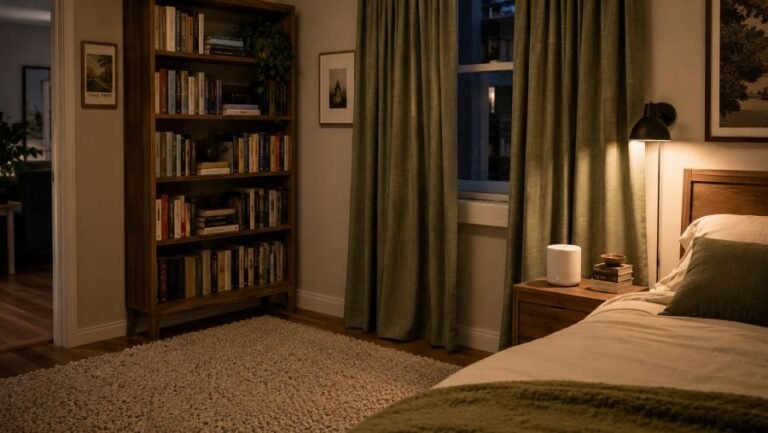
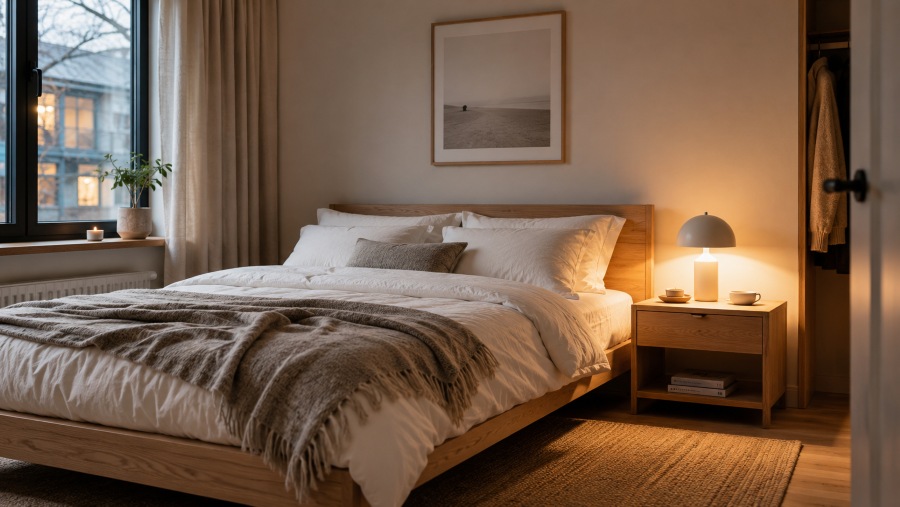
You build it through layers of soft texture and gentle light. Drape a chunky knit blanket over the sofa arm, scatter linen and wool cushions, lay a soft rug underfoot, and add a sheepskin to a chair. For lighting, abandon the single harsh ceiling bulb in favor of multiple low, warm sources — a table lamp, a floor lamp, a cluster of candles. This pooled, golden light is the very essence of a cozy Nordic evening, and it costs little to recreate.
The beautiful contradiction at the core of the style is this: simplicity provides the calm, uncluttered canvas, while hygge provides the warmth and soul. A snug home is arguably the easiest place of all to achieve this balance, because intimacy comes built in — you are simply enhancing a coziness the small footprint already offers.
Room-by-Room: Get the Look Everywhere
The principles stay constant, but each zone of a compact home benefits from a slightly different emphasis. The table below summarizes the highest-impact move for each area, so you know where to focus first.
| Zone | Signature Move | Budget Win |
|---|---|---|
| Living area | Low-profile sofa on legs + layered neutral textiles | Add a chunky throw and two linen cushions |
| Sleeping zone | Light wood bed frame, white linen bedding, warm bedside lamp | Swap bedding for crisp white; add a single lamp |
| Kitchen nook | Open light-wood shelving, simple ceramics, decluttered counters | Clear the counters; display a few wooden boards |
| Dining corner | Drop-leaf or extendable table with minimalist chairs | Repaint mismatched chairs in one neutral tone |
| Entryway | Wall hooks, a slim bench, a mirror to bounce light | Mount three wooden pegs and hang one mirror |
| Workspace | Wall-mounted or slim desk, single task lamp, hidden cables | Float a shelf-desk to free the floor below |
Notice how every budget win leans on editing and rearranging rather than spending. That is the quiet genius of bringing Nordic design into a compact dwelling: the look rewards subtraction, and subtraction is free. Start with the zone you use most — usually the living area — and let the cohesion ripple outward as you repeat the palette and the principles from room to room.
Common Mistakes to Avoid
Even with the right ingredients, a few missteps can undermine the effect in a tight interior. Steer clear of these, and your scheme will read as authentic rather than almost-there.
- Going all-white and cold. Without warm woods and layered texture, white reads as clinical. Always pair the light palette with natural materials and tactile fabrics.
- Over-decorating. Filling every surface defeats the entire philosophy. When in doubt, remove one more object than feels comfortable.
- Choosing bulky, low furniture. Heavy pieces that sit flat on the floor visually shrink a room. Favor raised legs and slim silhouettes.
- Relying on one overhead light. A single ceiling bulb flattens the space and kills the cozy mood. Layer multiple warm, low light sources instead.
- Ignoring storage. Visible clutter is the fastest way to break the look. Build hidden storage into furniture so surfaces can stay serene.
- Matching everything too perfectly. A showroom-matched set feels lifeless; mix woods, textures, and a few vintage finds for genuine, lived-in warmth.
FAQ: Scandinavian Style in Compact Living Spaces
Why does Scandinavian design work so well in compact homes?
Scandinavian style was born in Nordic homes that are often modest in size and starved of winter daylight, so its entire toolkit is built to make limited square footage feel bright and open. Light walls bounce what little light there is, low-profile furniture keeps sightlines clear, and a disciplined, clutter-free approach prevents a small footprint from feeling cramped. The aesthetic and the practical needs of cozy living align almost perfectly.
Is Scandinavian decor expensive to achieve?
Not at all — restraint is central to the look, which keeps costs down. The style favors a few well-chosen, functional pieces over many decorative ones, prizes natural materials like wood and wool that age beautifully, and embraces secondhand and flat-pack finds. You can build a convincing scheme gradually, starting with paint, light textiles, and decluttering before investing in any signature furniture.
What colors define a Scandinavian palette for a snug home?
The foundation is a layered neutral base: soft whites, warm greys, oatmeal beiges, and pale wood tones that reflect light and create a calm backdrop. Accents stay gentle and natural — muted sage, dusty blue, terracotta, or black used sparingly for contrast. The goal in a compact layout is cohesion: a tight, light palette repeated throughout makes separate zones read as one continuous, airy space.
How do I add warmth so Scandinavian style does not feel cold?
Warmth comes from layering texture and embracing hygge — the Danish concept of cozy contentment. Pile on chunky knit throws, sheepskins, linen cushions, and wool rugs; choose warm-toned woods like oak and ash; and light the room with multiple soft, low sources such as table lamps and candles rather than a single overhead fixture. Texture and warm light keep a minimalist scheme inviting rather than clinical.
Final Thoughts: Less, But Better
The enduring appeal of Scandinavian style is that it asks you to do less, not more — and a modest footprint is exactly where “less, but better” shines brightest. Begin with a light, layered palette, edit your belongings down to the useful and the loved, choose a handful of functional pieces raised on slender legs, and let natural light and materials do the heavy lifting. Then warm it all with the textures and soft light of hygge so the calm never tips into cold.
You do not need a renovation or a large budget to live beautifully in a small home — you need a clear philosophy and the discipline to follow it. Scandinavian design hands you both. Embrace it, and your cozy dwelling becomes not a compromise on space but a deliberate, serene, light-filled retreat that larger, busier homes can only envy.
ADeL A.A
ADeL A.A is a home décor and space optimization writer who believes every square foot matters. He spends his time researching, testing, and comparing smart storage ideas, multi-functional furniture, and practical layout solutions — always searching for the best ways to make compact homes feel bigger, brighter, and better organized.
View all articles by ADeL A.A →