Interior Design Ideas to Transform Your Space

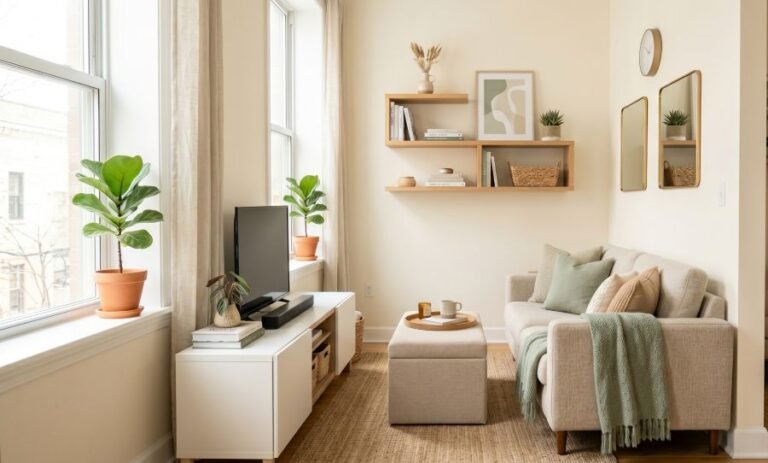
Designing a beautiful home doesn’t mean sacrificing style, comfort, or functionality. With thoughtful interior design choices, strategic planning, and creative solutions, you can transform any living space into a beautiful, organized sanctuary that feels larger and more welcoming than you ever imagined.
In this comprehensive guide, we’ll explore proven interior design ideas that work in homes of every size. Whether you’re working with a studio, a one-bedroom apartment, a cozy urban flat, or a full family house, these expert tips and practical strategies will help you maximize every square foot while creating a space that truly reflects your personal style and meets all your daily needs.
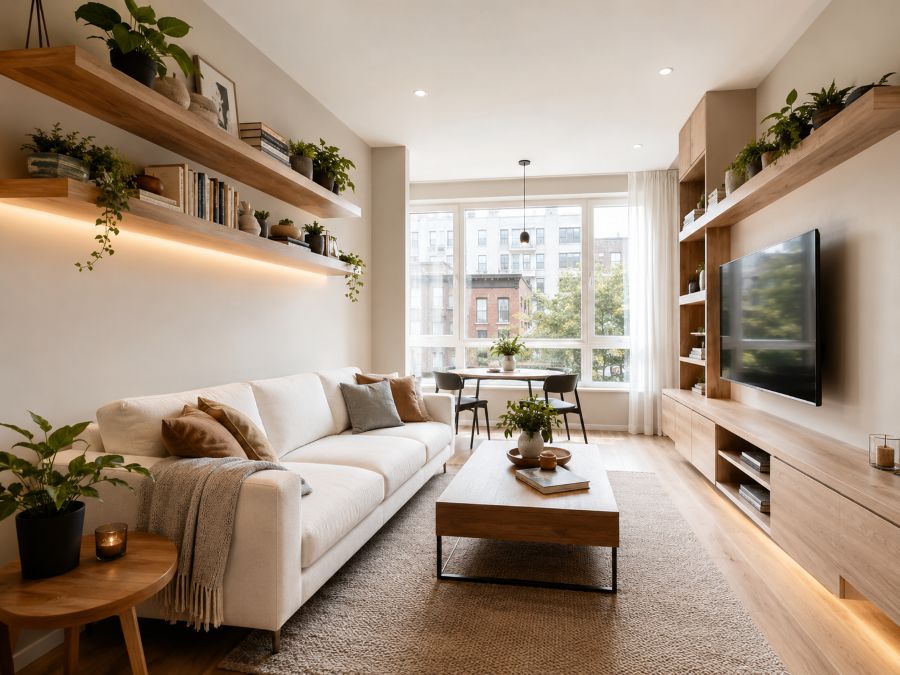
The challenge of designing any home is actually an opportunity to become more intentional about your interior design decisions. Every element you choose should serve a purpose, contribute to your aesthetic vision, and enhance your quality of life. This approach—known as mindful design—is particularly effective in spaces where clutter and poor planning can quickly make the environment feel cramped and overwhelming.
The key to successful interior design lies in understanding the principles of visual expansion, strategic space utilization, and intentional styling. By implementing these proven techniques, you’ll not only make your home feel more spacious but also create an environment that’s organized, beautiful, and perfectly suited to your lifestyle.
Color Palettes: The Foundation of Great Interior Design
Color is perhaps the single most powerful tool in your interior design arsenal. The colors you choose directly influence how spacious, calm, and inviting your home feels. This is why selecting an appropriate color palette should be your first design decision before purchasing any furniture or accessories.
Light and neutral colors are the foundation of effective design in any space. White, cream, soft gray, and warm beige create a sense of openness and airiness because they reflect natural and artificial light throughout the room. These colors visually push walls back, making rooms feel more expansive than their actual dimensions. Beyond aesthetics, neutral base colors provide flexibility—you can easily introduce personality and warmth through accessories that can be changed seasonally.
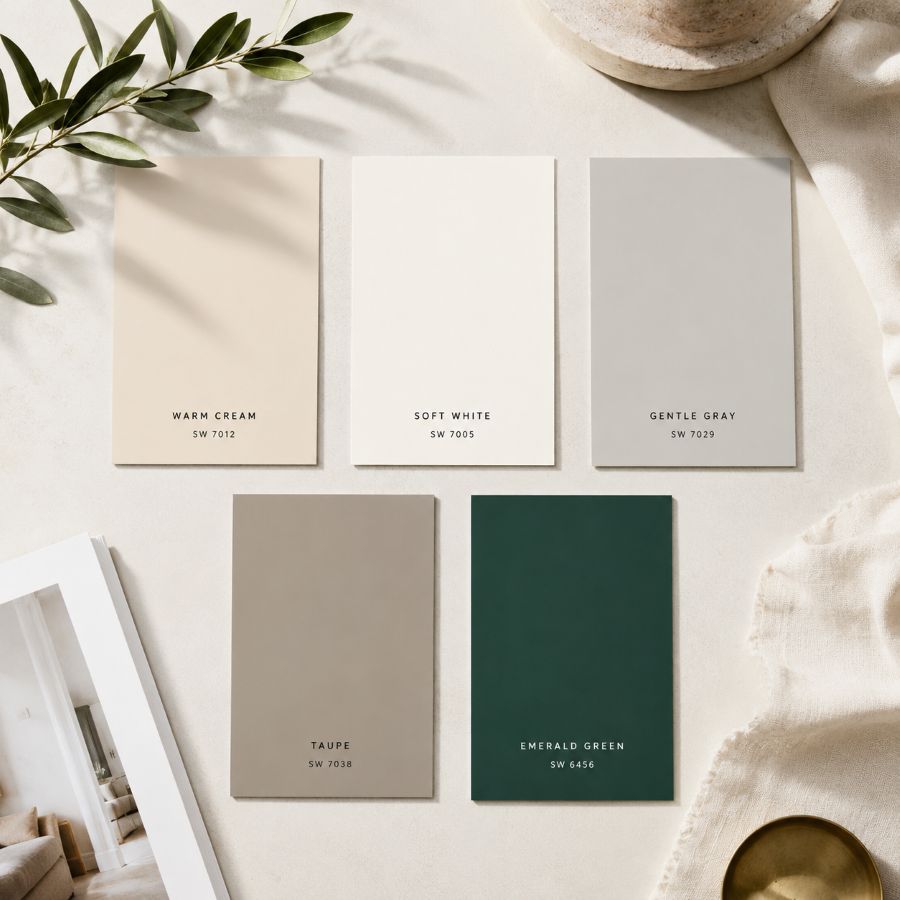
However, neutral doesn’t mean boring. You can create visual interest by layering different shades of the same color—combining warm whites with soft grays, or pairing cream with taupe. This monochromatic approach adds depth without overwhelming the space. Additionally, you can introduce one accent color through artwork, throw pillows, or a single feature wall to add personality while maintaining the overall sense of spaciousness.
Strategic Use of Accent Colors
Accent colors bring energy and personality to a room, but they should be used strategically. Consider limiting yourself to one or two accent colors and apply them in small, deliberate ways. A collection of navy blue throw pillows, emerald green plants, or warm terracotta pottery can provide visual interest without making the space feel cluttered or chaotic.
- One-wall accent approach: Paint a single wall in a deeper or bolder color to create a focal point without overwhelming the entire space. This technique works especially well in bedrooms or behind a sofa in the living area.
- Accent through accessories: Use throw pillows, artwork, plants, and decorative objects to introduce color. The advantage of this approach is flexibility—you can change these elements seasonally or whenever you want a fresh look.
- Natural accent colors: Wood tones, plants, and natural materials inherently introduce warmth and color variation without requiring paint or major changes.
Peel-and-Stick Wallpaper
A renter-friendly way to create the single feature wall described above — it adds color and pattern with no paint, and peels off cleanly when you move.
Furniture Selection: Quality Over Quantity
In any well-designed home, furniture selection is about making strategic choices rather than filling every corner. Each piece should earn its place by serving a clear purpose and contributing to the overall design aesthetic. This principle of intentionality is what separates beautifully designed spaces from cluttered ones.
Begin by assessing your actual needs. Before purchasing furniture, create a detailed list of activities that happen in each room. Does your living room primarily serve as a relaxation space, entertainment area, or both? Will your bedroom be used only for sleeping, or do you also work or exercise there? Understanding how you actually live in your space prevents purchasing unnecessary items that consume valuable square footage.
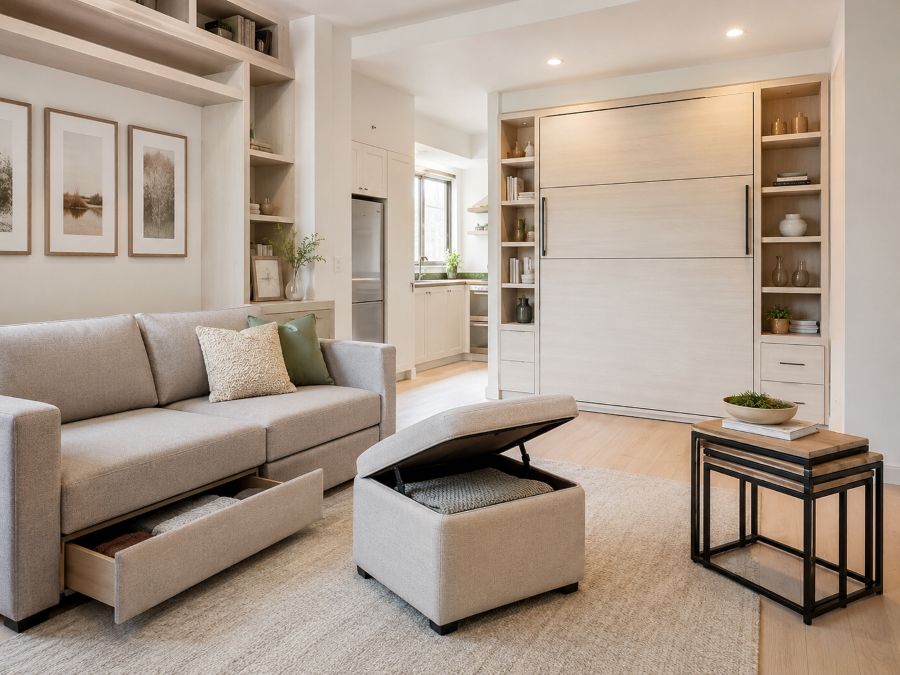
Multifunctional Furniture: The Secret Weapon
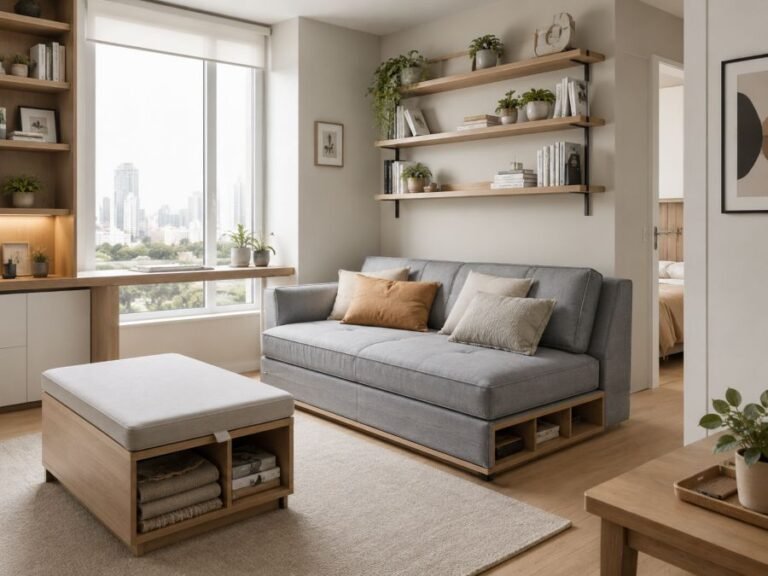
Multifunctional furniture is absolutely essential in smart interior design, especially when square footage is limited. These pieces serve multiple purposes, reducing the total number of items needed and maximizing functionality. Look for ottomans with hidden storage compartments, sofas with pull-out beds, nesting tables that expand as needed, and wall-mounted desks that fold away.
Lift-Top Storage Coffee Table
A true multifunctional piece — the top lifts to reveal hidden storage and rises to laptop or dining height, so one table works for relaxing, eating, and remote work.
Smart Small Space Tip: When shopping for furniture, always prioritize pieces with legs or exposed undercarriage. Furniture that sits directly on the ground makes rooms feel heavier and more cramped. Pieces with legs allow light and sight lines to flow underneath, creating a visual sense of openness and making rooms feel more spacious than they actually are.
Scale and Proportion Matter
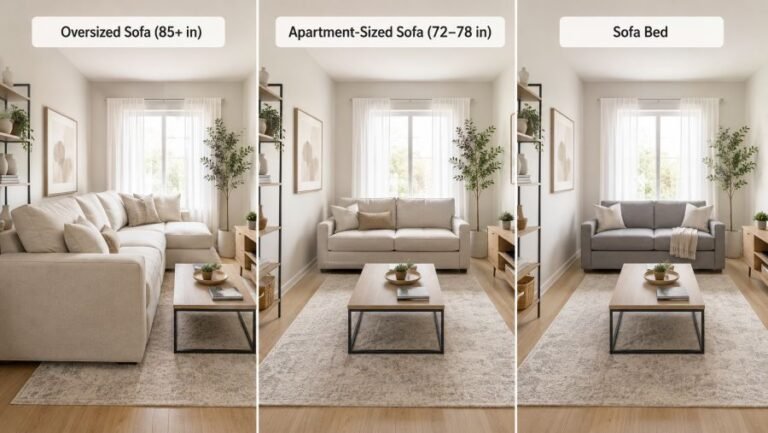
Oversized furniture in a modest room is a common mistake that instantly makes spaces feel cramped and disproportionate. Instead, select furniture scaled appropriately for your rooms. A large sectional sofa might work wonderfully in a spacious living room, but in a smaller one, a loveseat or apartment-sized sofa could provide seating while maintaining visual breathing room.
Conversely, furniture that’s too small can make spaces feel less polished and intentional. The goal is finding that perfect middle ground where furniture is proportional to your rooms, neither dominating the space nor disappearing into it.
Maximizing Vertical Space: The Third Dimension
Smart interior design requires you to think beyond horizontal floor space and embrace vertical design. Walls represent an enormous opportunity for storage, display, and creating visual interest without consuming the valuable square footage of your floor. This vertical approach fundamentally changes how you can organize and decorate your home.
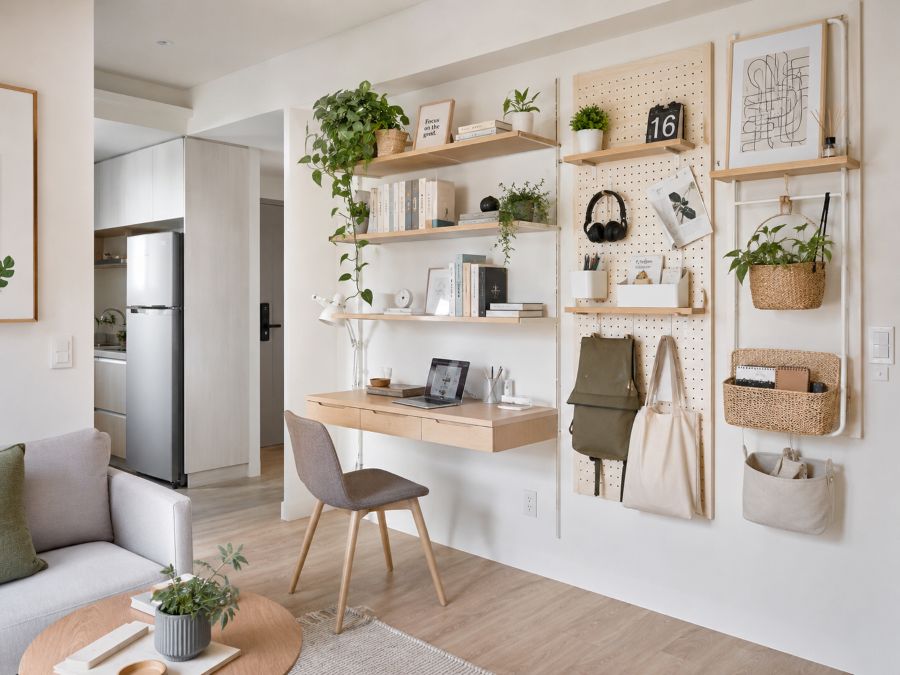
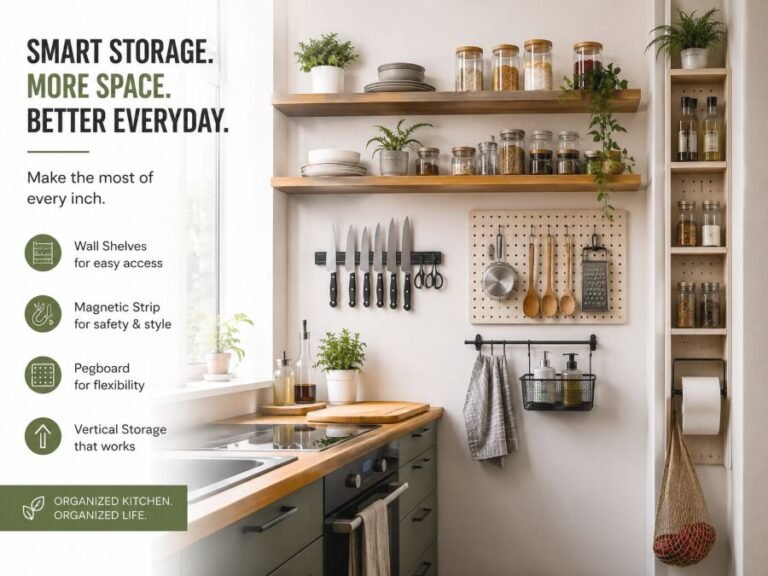
Floating shelves are among the most versatile elements in interior design. They provide storage and display space while maintaining visual lightness because you can see the wall behind and around them. Use floating shelves to store books, display plants and art, and keep frequently used items accessible while keeping countertops clear.
Wall-Mounted Solutions for Every Need
Beyond shelving, numerous wall-mounted options can dramatically increase functionality without floor space. Pegboards offer customizable organization, wall-mounted desks provide workspace without permanent furniture, hooks and hanging systems organize frequently used items, and mounted cabinets add closed storage to keep clutter hidden.
- Wall-mounted TV: Rather than consuming precious floor space with a media console, mount your television to the wall. This instantly opens up visual space and frees floor area for other uses.
- Hanging plants: Incorporate greenery without consuming shelf or floor space by hanging plants from shelves, walls, or ceiling-mounted poles. This adds life and beauty while maintaining openness.
- Vertical art display: Create gallery walls that draw the eye upward, making ceilings feel higher and the entire space more expansive.
5-Tier Ladder Bookshelf
A freestanding ladder shelf uses wall height instead of floor space and needs no drilling — ideal for books, plants, and styled display in any room.
Lighting: Creating Ambiance and Perceived Space
Lighting is a transformative design element that’s often overlooked in interior design. Strategic lighting can make spaces feel larger, warmer, more organized, and more sophisticated. The key is layering different types of lighting—ambient, task, and accent—to create flexibility and visual interest.
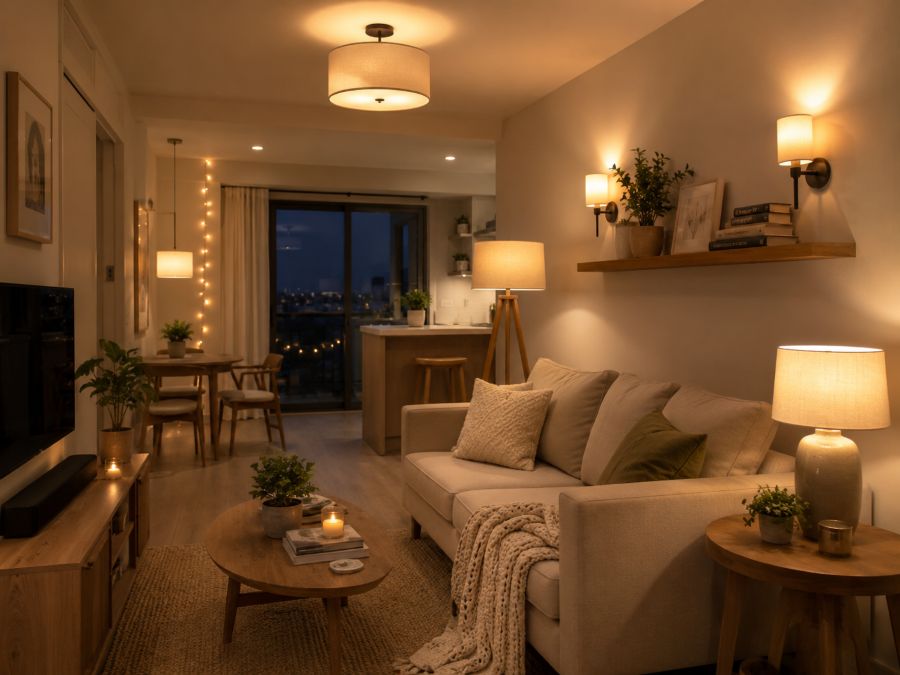
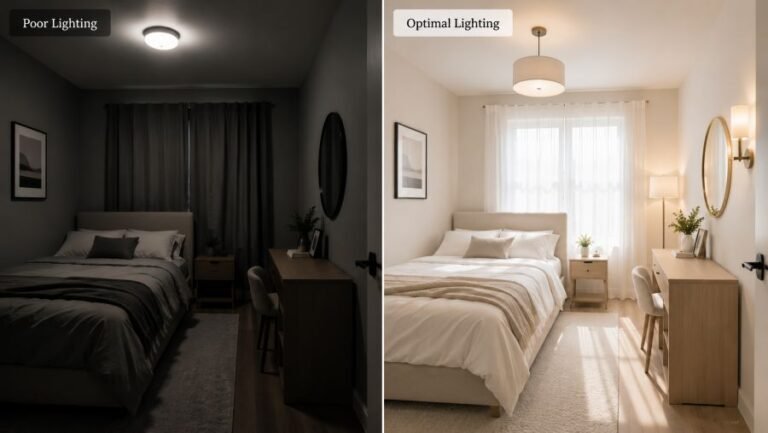
Natural light should be maximized whenever possible. Large windows are one of the greatest assets of any home, and you should design your space to honor and enhance this natural illumination. Use sheer curtains or minimal window treatments that filter light without blocking it. Mirrors positioned to reflect natural light amplify brightness and create the illusion of additional windows and openness.
Artificial Lighting Strategies
When designing artificial lighting, avoid relying on a single overhead fixture. Instead, create layers using floor lamps, table lamps, wall sconces, and string lights. This layering approach provides flexibility—you can brighten the space for work and cleaning, then create cozy ambiance for relaxation by dimming or selectively turning off different light sources.
Consider the color temperature of your bulbs as well. Warm white bulbs (2700K) create a cozy, inviting atmosphere, while cooler tones (4000K+) are better for task lighting and workspace areas. Using warm light in living areas and bedrooms while employing cooler light in kitchens and workspace creates distinct zones and appropriate ambiance throughout your home.
Arc / Tripod Floor Lamp
Perfect for the layered-lighting approach — a floor lamp adds a warm second light source beyond the ceiling fixture and instantly makes a room feel cozier at night.
| Lighting Type | Purpose | Best Options |
|---|---|---|
| Ambient Lighting | Overall illumination throughout space | Ceiling fixtures with dimmers, wall sconces |
| Task Lighting | Focused light for specific activities | Desk lamps, under-shelf LED strips, reading lights |
| Accent Lighting | Highlight artwork, shelves, or features | Track lighting, picture lights, string lights |
| Decorative Lighting | Statement pieces that create ambiance | Pendant lights, floor lamps, artistic fixtures |
Storage Solutions: The Invisible Enabler of Good Design
Effective storage is the foundation upon which all beautiful interior design is built. Without adequate, accessible storage, even the most thoughtfully designed spaces become cluttered and chaotic. The challenge in any home is creating sufficient storage without it consuming valuable visual space or creating a cluttered appearance.
Strategic storage involves both hidden storage solutions and open display that contributes to the aesthetic. Under-bed storage containers keep seasonal items and necessities out of sight while remaining accessible. Closet organization systems maximize vertical space in wardrobes. Kitchen drawer dividers and shelf organizers keep items contained and visible. Furniture with built-in storage—hollow ottomans, storage benches, and bed frames with drawers—provides functionality while maintaining clean lines.
Hanging Closet Organizer
A hanging organizer adds instant vertical shelving inside any wardrobe with no tools required — keeping folded clothes and accessories visible and contained.
The Minimalist Approach to Reducing Storage Needs
Sometimes the best storage solution is simply having less to store. The minimalist philosophy encourages keeping only items you truly use, love, or need. This approach fundamentally reduces storage requirements and makes maintaining a beautiful home significantly easier. Before organizing storage in your home, take time to declutter. Donate items you haven’t used in a year, sell things you no longer love, and ruthlessly evaluate what truly adds value to your life.
Creating Distinct Zones in Open Concept Spaces
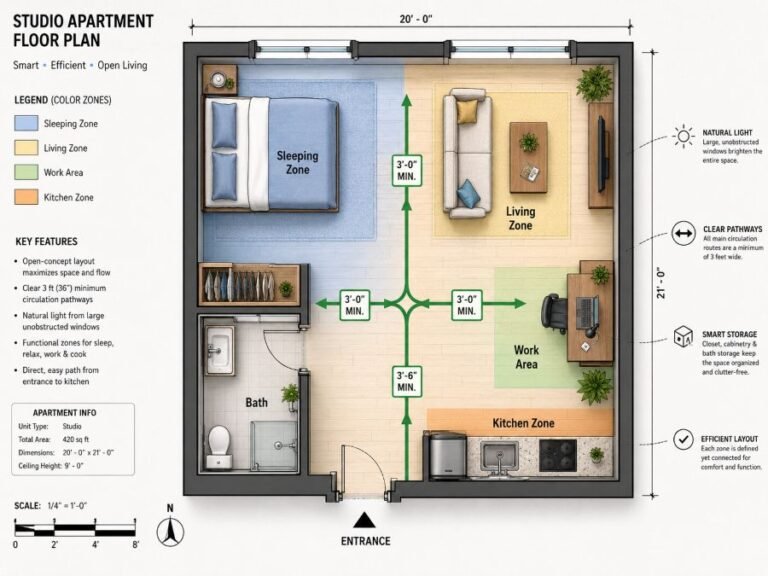
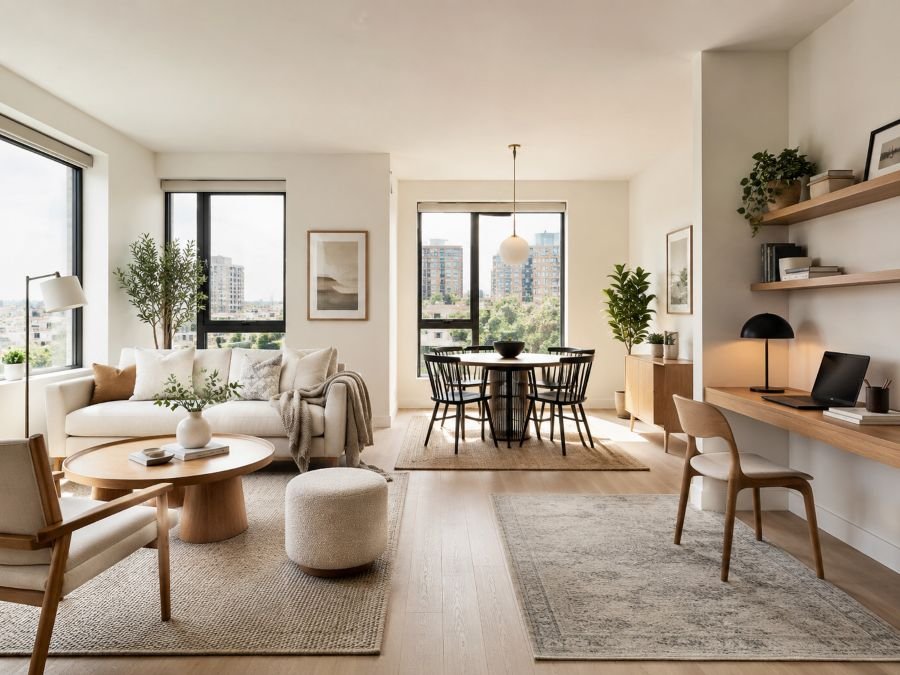
Many modern homes feature open floor plans where living, dining, and working areas flow together. While this openness can make spaces feel larger, it also requires strategic design to create definition and variety. Creating distinct zones helps each area feel intentional and purposeful.
Rugs are powerful zone-defining tools. A dining area rug grounds the dining space, a living room rug anchors seating arrangements, and a bedroom rug creates warmth and definition. Rugs don’t need to cover the entire floor—in fact, allowing part of the rug to float in a space actually makes rooms feel larger by creating visual boundaries without hard walls.
Area Rug
The exact zone-defining tool described above — a well-placed area rug grounds your living or dining space and visually separates areas without adding walls.
Furniture arrangement also creates zones. Positioning a sofa to face a TV area defines the living room within an open space. A small dining table or high-top counter separates dining from living areas. A desk positioned in a corner or against a wall establishes a working zone. Strategic placement of bookcases or room dividers can visually separate spaces while maintaining openness.
Minimalism and Intentional Styling
Interior design thrives when guided by the principle of intentionality. Rather than filling every surface and wall with decorative items, select pieces deliberately and ensure each item either serves a functional purpose or brings you genuine joy. This approach prevents visual clutter and creates sophisticated, thoughtfully designed spaces.
Display plants strategically on shelves and hanging from walls—their organic shapes and greenery add life without the visual chaos of numerous accessories. Artwork should be selected with care rather than filling every wall. A few statement pieces create impact; numerous small items create clutter. Decorative objects on shelves and surfaces should be kept minimal and thoughtfully arranged rather than crowded.
Hanging Planter / Plant Stand
Adds greenery and life without crowding surfaces — the intentional finishing touch that completes a calm, minimalist look in any space.
Smart Interior Design FAQ
How can I make my home look larger?
Use light colors on walls and furniture, incorporate mirrors to reflect light and create depth, choose low-profile furniture that allows sight lines to flow underneath, and maximize vertical space with wall storage. Keeping surfaces clear and organized also contributes significantly to a feeling of spaciousness and openness.
What are the best colors for interior design?
Neutral colors like white, beige, soft gray, and warm pastels work best as base colors because they reflect light and create a sense of openness. Add personality through one or two accent colors in artwork, textiles, and decorative objects. This approach maintains spaciousness while allowing for personal style expression.
What furniture works best in compact homes?
Multifunctional furniture is ideal—ottomans with storage, wall-mounted desks, murphy beds, and sofas with underseat compartments maximize utility without consuming extra space. Choose furniture with legs rather than pieces that sit directly on floors, as this maintains visual lightness and creates the appearance of greater space.
How should I organize my home?
Maximize vertical space with shelving and wall storage, use clear containers for visibility, establish distinct zones for different activities, and embrace minimalism by keeping only essentials. Regularly declutter to prevent accumulation, and implement systems that keep everything organized and easily accessible.
Can I have a stylish home on any budget?
Absolutely! Prioritize quality over quantity, invest in statement pieces that reflect your style, incorporate art and accessories thoughtfully, use interesting textures to add depth, and maintain a cohesive color scheme. A well-designed home often feels more impactful and curated than larger spaces with less intentional design.
Transform Your Space Today
Great interior design is not about compromise—it’s about being intentional, strategic, and creative. By applying the principles outlined in this guide, you can create a space that’s not only functional but also beautiful, organized, and perfectly suited to your lifestyle. Start with color—establish your neutral base and accent palette. Then thoughtfully select multifunctional furniture scaled appropriately to your space. Maximize vertical storage, layer strategic lighting, and create distinct zones if you have an open floor plan. Finally, embrace minimalism and intentional styling to ensure every element in your home earns its place and contributes to the overall aesthetic.
Remember that designing your home is an ongoing process. As your needs change, your style evolves, and you discover what works best in your unique space, feel free to adjust and refine your design. The principles of maximizing space, maintaining visual lightness, and thoughtful curation remain constant, but how you apply them can adapt to your changing life and preferences. With intention, creativity, and these proven design strategies, your home can become a beautiful sanctuary that you love coming home to every single day.
Affiliate Disclosure: As an Amazon Associate, Smart Small Space earns from qualifying purchases. This article contains affiliate links, which means we may receive a small commission if you buy through them — at no extra cost to you. We only recommend products we believe are genuinely useful for small-space living.
ADeL A.A
ADeL A.A is a home décor and space optimization writer who believes every square foot matters. He spends his time researching, testing, and comparing smart storage ideas, multi-functional furniture, and practical layout solutions — always searching for the best ways to make compact homes feel bigger, brighter, and better organized.
View all articles by ADeL A.A →